Rare phenomenon of two full moons in May will be visible across Brazil this week

A second full moon will light up the Brazilian sky this Thursday, creating a rare astronomical phenomenon known as a “blue moon”. The event marks the occurrence of two full moons within the same month of May, a situation that repeats approximately every two or three years. Observadores in different regions of the country will have ideal conditions to follow the show with the naked eye, without the need for special equipment.
What is the blue moon and how does it occur
Contrário As the name suggests, the blue moon does not have a bluish color. The term refers exclusively to the occurrence of two full moons within a single month of the Gregorian calendar. Este arrangement results from a mismatch between the lunar cycle and the solar calendar used in most countries. A lunar month, the period between two successive full moons, lasts approximately 29.5 days. Como the months of the Gregorian calendar vary between 28 and 31 days, some periods include two complete full moon phases while others none.
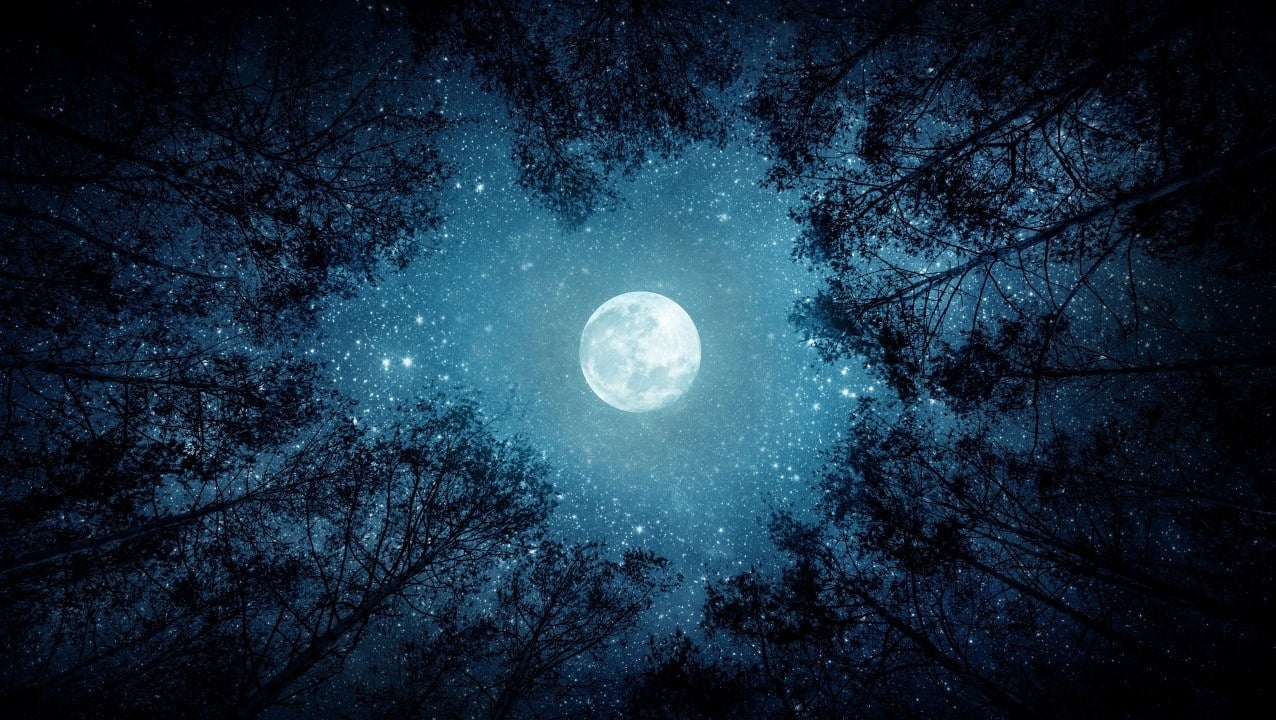
Maio of 2026 accommodated two full moon phases within its 31 days. The first occurred at the beginning of the month, while the second now takes place in the final week. Este arrangement is not annually predictable, which explains why blue moon events do not occur on fixed dates and maintain their exceptional character.
Melhor schedule and conditions for observation
The peak of luminosity occurs during the early hours of Thursday to Friday, when the moon reaches its highest position in the sky. Especialistas recommend observing between 10pm on Thursday and 5am the following morning for optimal viewing. Clear, cloud-free Céus favor complete visualization of the phenomenon, allowing observers to identify details of the lunar surface with greater precision.
Áreas Urban areas with greater light pollution can make it difficult to observe surface details, although the lunar disk remains visible even in large cities. Regiões rural areas and with less interference from artificial lighting offer the best viewing conditions. Observadores at any point in Brasil will be able to witness the event throughout the night, from sunrise to dawn.
Dados histories and frequency of the phenomenon
- Primeira May full moon: May 2, 2026
- Segunda May full moon: May 31, 2026
- Full phase Duração: approximately 3 days
- Visibilidade: southern hemisphere, including entire Brasil
- Distância average of Terra: 384 thousand kilometers
Luas blues have been documented by astronomers since ancient times. Registros Babylonians and Greeks mention observations of this phenomenon. In modern culture, the term only gained popularity in the 20th century, when it began to be used regularly by astronomy magazines and programs. The frequency of occurrence is between 2 and 3 events every 7 years, depending on the period analyzed. Alguns years feature up to two blue moon events, while other decades go for months without any occurrences.


Impacto in professional astronomical research
Observatórios Brazilians will expand their monitoring schedule during the event. Large Telescópios will be aimed at capturing detailed images of the lunar crater and topographic variations. High-resolution Fotografias will allow analysis of changes in lunar geological formations compared to previous records, contributing to continuous mapping of the lunar surface.
Institutos research teams use full moons to calibrate instruments and validate data collected in previous cycles. Federal Universidades with astronomy departments provide public access to telescopes in many cases, allowing collective observation of the phenomenon. The participation of the lay public in astronomical observations helps researchers in collecting data on local atmospheric conditions and variations in lunar brightness.
Como observe at home without sophisticated equipment
Observadores amateurs only need a location with an unobstructed view of the night sky. Simple Binoculares enhance the ability to view details of the lunar surface, although they are not absolutely necessary. Câmaras conventional photo cameras with optical zoom allow image capture for personal documentation. Free astronomy Aplicativos available in app stores indicates the exact position of the moon in real time, making it easier to follow the orbital movement and showing information about brightness, solar incidence angle and current lunar phase.
The experience does not require prior knowledge or investment in sophisticated equipment. Qualquer person with access to a place with visible sky will be able to witness the astronomical spectacle. Comunidades online of amateur astronomers share expert photography tips and techniques for recording the event. The blue moon in May represents an educational opportunity for families interested in deepening their knowledge about celestial movements and the dynamics of the Earth’s solar system.
Veja Tambem em Latest News (EN)

Heavy rain and storms hit 17 Indian states this Tuesday with warning from IMD

Claude down in global outage and Anthropic confirms errors in models

Typhoon No. 6 Chanmi approaches southern Kyushu and advances to eastern Japan

Seibu Lions have game canceled due to typhoon and schedule Kaima Taira for the 4th against Hanshin Tiger

Facebook whistleblower, Sarah Wynn-Williams, complies with Meta’s order and remains silent at event in the United Kingdom

Romantic comedies and mysteries arrive on Netflix in June with Office Passion and Oasis

Uruguay announces squad list for the 2026 World Cup with six Brazilian football players

When does the 2026 World Cup start? Date, time, first game and opening ceremony

Atlético-MG confirms agreement with defender Léo Duarte after period of prominence in Turkish football

Tiger shark bites 19-year-old girl and rips off her leg in Boa Viagem, Recife

2026 World Cup will have 32 athletes who play in Brazilian football