
Supermoon of flowers lights up skies around the world with intense orange glow

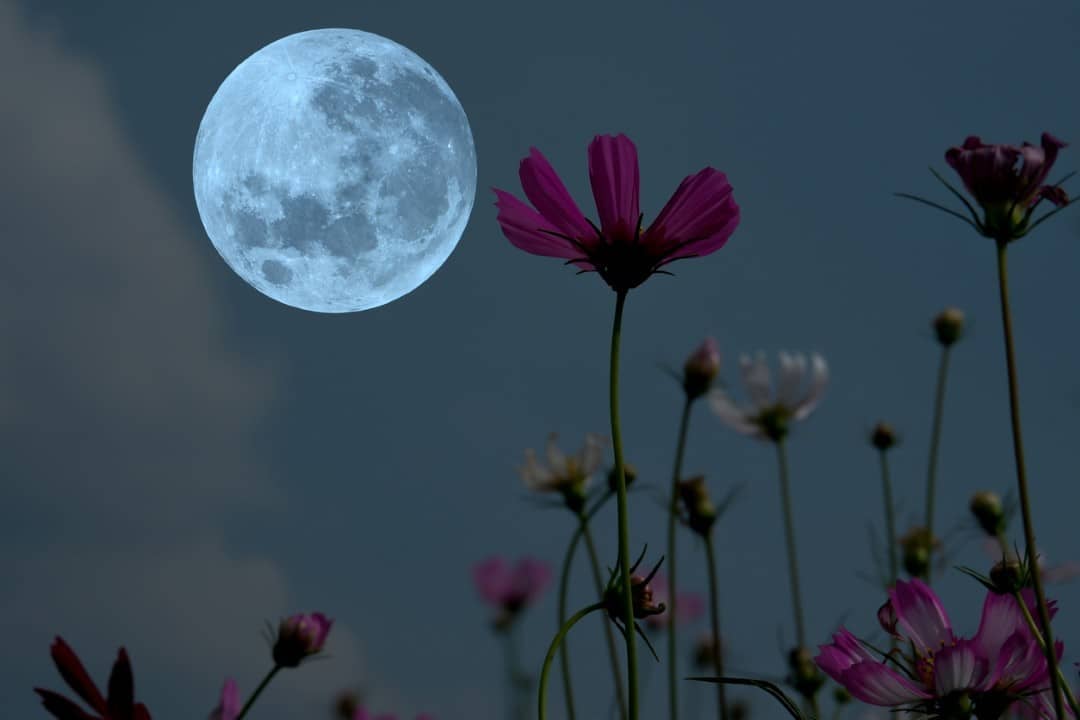
The super flower moon lit up the night sky on May 1, offering a stunning visual spectacle for observers on different continents. The natural phenomenon showed an intense orange glow, a result of the satellite’s special position in relation to Terra and Sol. Fotógrafos professionals and amateurs have captured extraordinary images in cities like Washington, Nova York, Istambul, Varsóvia and other metropolises around the globe.
Características super flower moon visuals
The supermoon presented a unique visual aspect during its trajectory across the sky. The intense orange glow occurred when the satellite passed the closest position to Terra, a phenomenon known as perigee. The orange color resulted from the refraction of sunlight through the Earth’s atmosphere, creating an optical effect that highlighted the satellite’s warm tones.
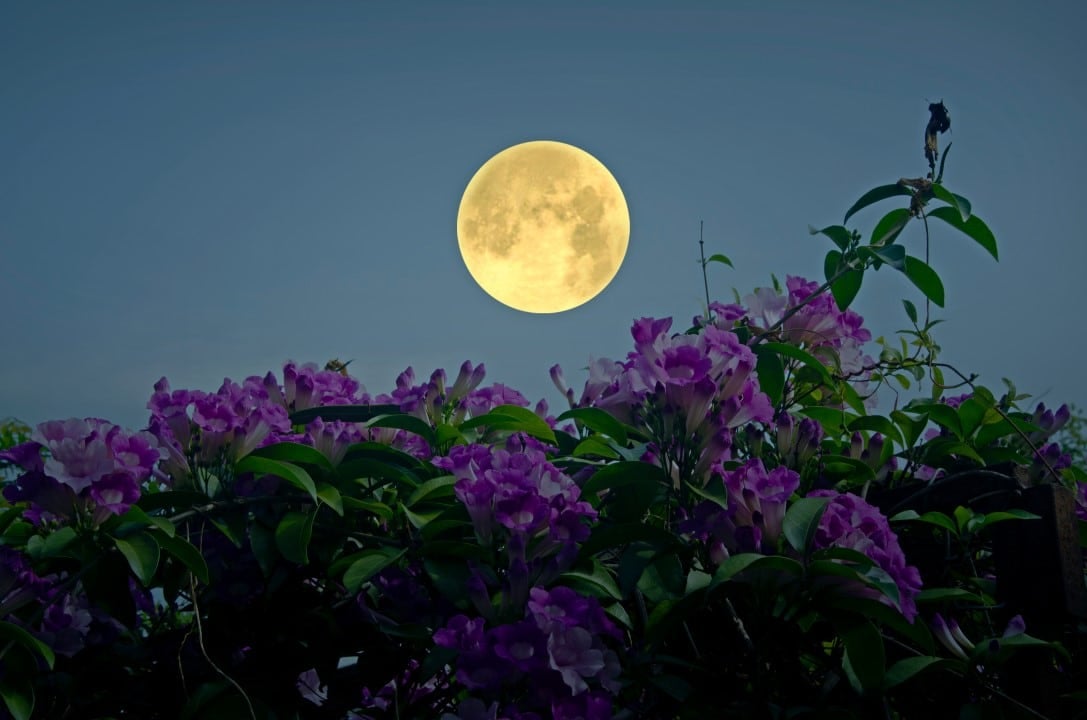
Observadores in different regions of the northern hemisphere reported clear visibility of the phenomenon. The satellite had a particularly bright appearance when positioned close to the horizon, where the contrast with historic buildings and urban landmarks created memorable photographic compositions. The Earth’s atmosphere acted as a natural filter, dispersing blue wavelengths while allowing reddish and orange tones to pass through.
Registros photographs of emblematic locations
Lokman Vural captured a stunning image of the supermoon above Nova York’s skyscrapers, specifically in the 42nd Rua region. Segundo o Museu Americano of História Natural, the photograph shows the satellite as it aligns with the urban skyline of Manhattan. The phenomenon occurs during a specific period between May 29 and July 11, known as the Manhattan Henge phenomenon, when the satellite positions itself in a unique way in relation to the city’s buildings.
Gary Hershorn located the best vantage point around Estátua from Liberdade, allowing us to capture the supermoon with the goddess of freedom in the foreground. The Lua displayed an intense golden glow reflected off the historic monument, creating a visual impression that the deity was surrounded by a luminous halo. Posteriormente, Hershorn used telephoto lenses to record additional details, positioning Lua so that its disc appeared perfectly aligned with the monument’s burning torch.
Na Europa, Isa Terli captured a remarkable photograph of the supermoon above the Beyazit mosque in Istambul, Turquia. The historic structure functioned as a strategic observation point, allowing the phenomenon to be recorded with the silhouette of the building in the foreground. The Earth’s atmosphere created a light scattering effect that made the edge of the satellite slightly blurred, enhancing the depth of the image.
Registros in historic structures and sacred landscapes
- Afsan Mohammad Ahmad recorded the supermoon above a mountain close to Arbil, in Iraque, capturing the phenomenon with deep colors and natural contrasts.
- David Pichette photographed the satellite above Torre Calderia’s coastal wall, at Itália, during the night of May 1st.
- Sergei Gapon captured the supermoon floating between tall buildings in Varsóvia, Polônia, with Lua reflected in nearby waters.
- Fabrice Coffrini recorded the phenomenon at the top of Rosen, at Suíça, during twilight, with silhouettes of trees in the foreground.
- Kirill Kudryavtsev photographed the supermoon crossing the sky of Berlim, Alemanha, with a composition that included the silhouette of a commercial airliner passing in front of the satellite.
Afsan Mohammad Ahmad documented the phenomenon near Arbil, in Iraque, where the depth of the orange colors was particularly evident. The combination of reddish and orange hues resulted from the atmosphere’s relative ability to allow red wavelengths to pass through while scattering blue wavelengths. The geological structure of the nearby mountains created a natural setting that further enhanced the satellite’s visual contrast.
Fenômeno documented in astronomical records
Photographic records of the flower supermoon include multiple perspectives of the natural satellite from different observation angles. The orange glow resulted from a specific optical effect caused by atmospheric refraction, where sunlight passed through the layers of the Earth’s atmosphere before reaching the satellite. Esse process created a visual hue that varied depending on the observer’s position in relation to the horizon and local atmospheric structure.
The May phenomenon presented particular astronomical characteristics that occur only once or twice every two years. The May 31st super flower moon marks the second important astronomical event of the month. Esse rare phenomenon offered observers a second opportunity within a 30-day period to record detailed images of the natural satellite in its closest position to Terra.





