
Suzuki renews the front design of the Every and Every Wagon with new prices

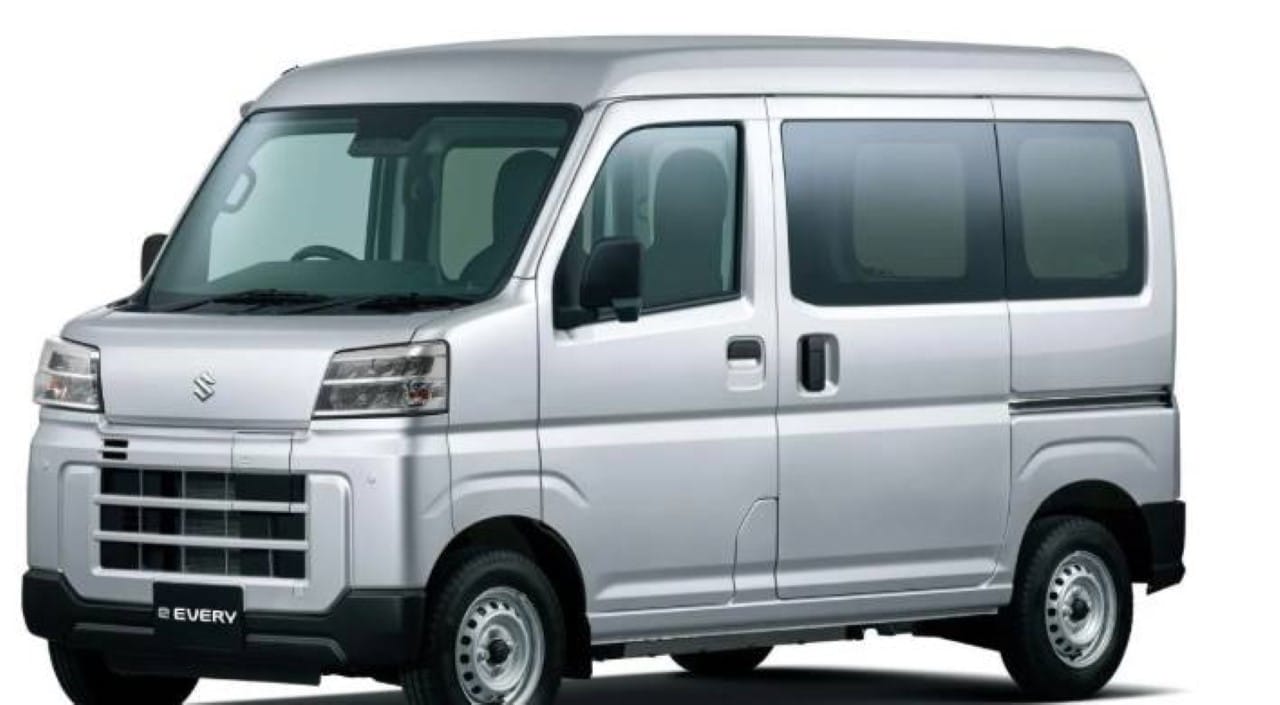
Suzuki has announced significant updates to two of its popular models, the Every and Every Wagon. The front redesign marks the brand’s visual evolution in the compact and light commercial vehicle segment. Prices for the revised line start at 1,343,100 yen.
Mudanças in front design
The new look at the front incorporates changes to elements such as the grille, headlights and front bumper. The Suzuki’s visual identity gains more presence with the reformulation of the vehicle’s facial features. Essa aesthetic transformation aims to modernize the appearance of the line while maintaining the models’ characteristic functionality.
The design work sought to balance commercial appeal with production practicality. Every and Every Wagon receive the same revised visual language. The update reflects the manufacturer’s strategy of keeping its vehicles competitive in the kei car and light commercial market.

Especificações adjusted
Além of the frontal redesign, Suzuki made adjustments to the models’ technical specifications. The modifications cover internal and external components that impact user experience and performance. The version portfolio remains divided between the cargo Every and the passenger Every Wagon.
Full details of the technical changes include:
- Melhorias in front aerodynamics
- Lighting Components Revisão
- Ajustes on fairing moldings
- Otimizações structural front
- Refinamentos in fastening systems
Estrutura Price and Market
The price list starts at 1,343,100 yen for the basic versions of the Every. The Every Wagon, intended for passenger transport, has a higher price range due to its finish and capacity. The pricing strategy seeks to maintain accessibility for small business owners and middle-income consumers.
The kei car market in Japão represents a crucial segment for Suzuki. Estes vehicles combine reduced dimensions with optimized internal space, facilitating use in urban centers and logistics operations. The update positions both models to compete with competitive alternatives.
The redesign comes at a time of stable demand for light commercial vehicles in the region. Pequenas Transport companies and freelancers constitute the main customer base for these products. Suzuki seeks to reaffirm leadership in this niche with continuous investment in modernization.
Segment Contexto
Every has established itself as a reference in the category since its original launch. The versatility of use and competitive operating cost justify its presence in the Japanese commercial fleet. The redesign represents a natural evolution of the product’s life cycle.
Veículos compacts like this face increasing pressure for energy efficiency and emissions reduction. Suzuki integrates these demands into the updates of its models. Embora the focus remains on internal combustion, the brand follows the transformation of the sector.
The Every Wagon offers a practical alternative for families and small tourism companies. Sua seven-seat configuration remains popular among informal public transport operators. The aesthetic update reinforces the model’s appeal to this audience.





