
Google keeps Versa 4 and Sense 2 on sale after launch of Fitbit Air

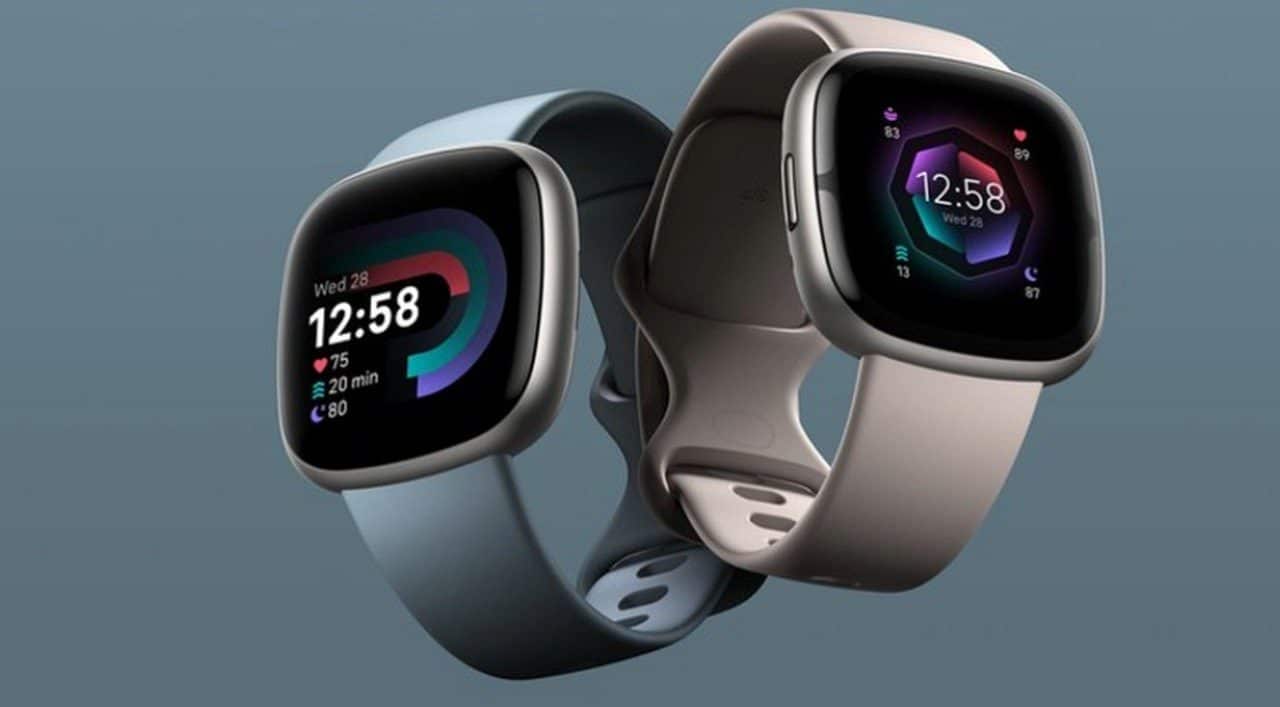
Google has not discontinued its most popular fitness trackers after introducing the Fitbit Air, the new screenless model that arrived on the market to expand the wearables category. The company has both the Fitbit Sense 2 and Fitbit Versa 4 available on its official website, offering consumers a wider range of choices based on their specific needs.
The decision to preserve existing models reflects a strategy of portfolio expansion rather than consolidation. Google recognizes that each device serves different audiences with different preferences and budgets. Essa approach maximizes market reach and avoids alienating users already satisfied with their current branded wearables.
Diferenças techniques among available models
The Fitbit Sense 2 remains the most complete tracker in the lineup, thanks to its electrocardiogram (ECG) reading capability. Este feature enables clinical-grade heart rhythm monitoring, something neither the Versa 4 nor the new Air can replicate. Para users concerned about cardiovascular health, this difference is decisive when purchasing.
The Fitbit Versa 4 offers an intermediate proposal. Possui displays screen and receives smartphone notifications, features missing in Air. The display makes it easy to quickly read data without having to open the app on your cell phone. Dados health and activity information remains accessible through the Fitbit app, which centralizes all information in a unified interface.
The Fitbit Air, in turn, follows the trend of screenless trackers. Seu minimalist design works like a traditional bracelet, allowing continuous use without visual distractions. Essa feature appeals to a specific niche: people who want to monitor activities without the aesthetic compromise or distraction of a display. The device records data silently and efficiently.
⭕️ Google anuncia oficialmente Fitbit Air, una banda fitness sin pantalla. Funciones:
— Mauro Albornoz (@Mau_Albornoz) May 8, 2026
🏃♂️Seguimiento de frecuencia cardíaca 24/7
🩸 SpO2, temperatura de la piel e información sobre recuperación
🔋 Hasta 7 días de duración de la batería
✅ Bandas intercambiables
✅ Sin suscripción… pic.twitter.com/5tknQNbcPd
Escalão Pricing Offers Options for Various Budgets
Google is running special promotions at the launch of Air, creating opportunities for buyers of different income brackets:
- Fitbit Versa 4: Reduced to $150 (from higher regular price)
- Fitbit Sense 2: discounted to $200 (maintaining premium model position)
- Fitbit Air: launched at $99, lower than all competitors in the lineup
Essa pricing strategy ensures that the Air does not cannibalize sales of more expensive models. Consumidores who seek maximum functionality still choose the Sense 2. Aqueles who want a balance between screen and capabilities continue to opt for the Versa 4. And new users on a budget find the Air an affordable entry point.
Produtos secondaries maintain presence in the catalog
Além of the three main models, Google continues to sell the Fitbit Charge and Fitbit Inspire 3 through its official website. Esses two devices fill specific spaces in the portfolio strategy. The Charge offers a happy medium between simplicity and functionality, while the Inspire 3 is aimed at beginners and occasional users.
Maintaining all of these models is unusual in the wearables market, where consolidation is the norm. Empresas competitors often discontinue old lines when they release new generations. Google chose to expand instead, betting that enough demand exists to support multiple simultaneous offerings. The risk is overlapping target audiences and consumer confusion during navigation.
Perspectiva future consolidation is not ruled out
Apesar of the current model diversity, there is potential for future rationalization. Executivos and Google already publicly acknowledge that there is significant overlap between the available options. Simplificar the lineup may eventually happen as sales data reveals which products actually sell and which ones accumulate in stock.
For now, the expanded portfolio remains a viable strategy. Google benefits by taking up more space on retailers’ shelves and offering choices that satisfy diverse demographic segments. Usuários interested in advanced health choose the Sense 2. Aqueles who want notifications choose the Versa 4. And those looking for discreet tracking will find the Air.
Contexto of the wearable tracker market
The launch of Fitbit Air comes at a time when the wearables market is maturing. Após years of exponential growth, the segment stabilizes, with fewer new users entering and more consumers already saturated. Neste scenario, Google bets on horizontal differentiation (multiple models) instead of vertical (a single improved product).
The strategy contrasts with competitors like Apple, which maintains leaner lines with incremental annual updates. Google prefers an abundance of options, reflecting its corporate culture of parallel experiments. Esse model generates more data on user preferences, valuable information for future product iterations.
Maintaining Fitbit Sense 2 and Versa 4 in the catalog demonstrates Google’s confidence in its legacy portfolio. Ambos devices remain technically and commercially relevant, justifying continued presence. The Air does not replace these models — it complements them, offering alternatives for niches not fully served by previous generations.





