
NASA frees Curiosity’s robotic arm after Martian rock is trapped for six days

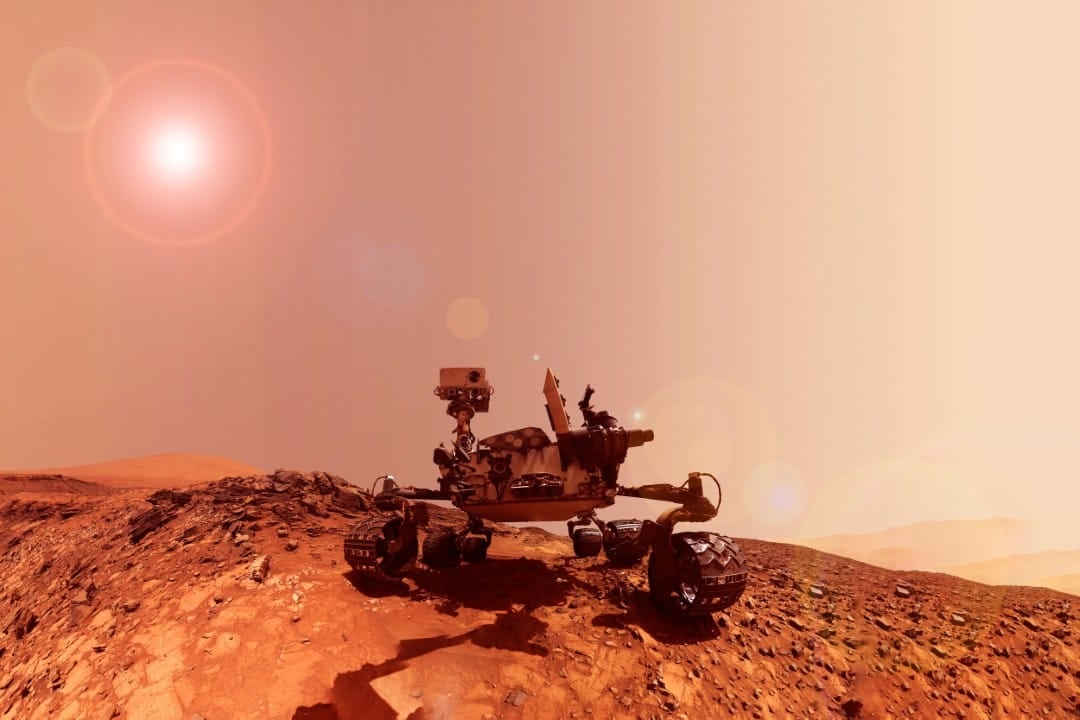
The Curiosity rover faced an unprecedented situation in its Mars operation when a 13-kilogram rock got stuck in the equipment’s drill bit during soil sampling. The incident occurred on April 25 on the slope of Monte Sharp, inside the Gale crater. The stone, nicknamed Atacama, measured 45 centimeters at the base and 15 centimeters thick. It took Engenheiros from Nasa six days to release the material using a sequence of vibrations, rotations and tilts. The rover operated normally throughout the containment period.
Broca pulls entire rock during sampling operation
The operation began as a routine sample collection task. The Curiosity drilled into the Atacama rock to extract pulverized material intended for chemical analysis. When retracting the robotic arm, however, the stone came out in one piece, trapped in the fixed sleeve that surrounds the rotating drill. Nunca previously a rock had remained attached in this way during a sampling operation. Previous Perfurações had already fractured surface layers of the Martian soil, but this time the entire block rose along with the equipment. The rover’s Câmeras captured detailed images of the moment the rock was extracted from the ground.
- Rocha measured about 45 centimeters at the base and 15 centimeters thick
- Peso estimated at 13 kilograms, equivalent to 29 pounds
- Localização on the slope of Monte Sharp, inside the Gale crater
- Initial Objetivo was wet chemical analysis of soil sample
Primeiras vibration attempts fail to detach the material
The team activated the drill’s percussion mechanism to shake the stone loose. Não there was noticeable movement on the first attempt. Quatro days later, on April 29, operators repositioned the robotic arm and repeated the vibration procedure with greater intensity. Areia fell from the rock surface during the process. The block remained firmly in the protective sleeve. Engineers tracked each step of progress through photographs sent back daily from the Martian surface. The rover remained stable and functional throughout all release attempts.
Ultimate Moves Sequência Releases The Rock Atacama
On May 1, Nasa technicians applied a more aggressive strategy combining greater arm tilt, rotation, simultaneous vibration and drill rotation. The plan called for several repetitions of the sequence if necessary. On the first full attempt, the Atacama rock broke loose. The material fell, broke into several pieces and hit the Martian soil. Câmeras’s navigation rover filmed the entire release sequence. Nasa released GIF images showing the complete six-day process. Foi the first incident of its kind in over 13 years of continuous operation of Curiosity in Marte.
Curiosity continues to explore Monte Sharp after more than a decade
Lançado in 2011, the Curiosity rover arrived at Marte in August 2012 with the primary objective of investigating signs of ancient life in the Gale crater. The vehicle has already covered dozens of kilometers and analyzed dozens of soil and rock samples. Atualmente, Curiosity climbs the slopes of Monte Sharp, a region that offers geological layers that record billions of years of Martian history. The Atacama rock was part of this scientific context for studying the planet’s geological formations. The robotic arm and drill remain functional after the containment episode. Engenheiros evaluate data collected during the incident to refine future procedures in sampling operations.
Experiência contributes to future missions in Marte
Incidentes like this help the Nasa team prepare for more complex and challenging missions. The Perseverance rover, another active piece of equipment on Marte, also regularly drills and collects samples. Dados and Curiosity experiences serve as a technical reference for optimizing operation protocols. Nasa plans to return Martian samples to Terra in the coming years through future return missions. Experiências with unexpected rocks and unforeseen situations contribute to the development of more robust and reliable procedures. Curiosity continues to send daily scientific data, reinforcing space engineering’s ability to solve complex problems 225 million kilometers away.





