
Oppo Find X9 Ultra arrives with two 200 megapixel lenses and offers ten times optical zoom

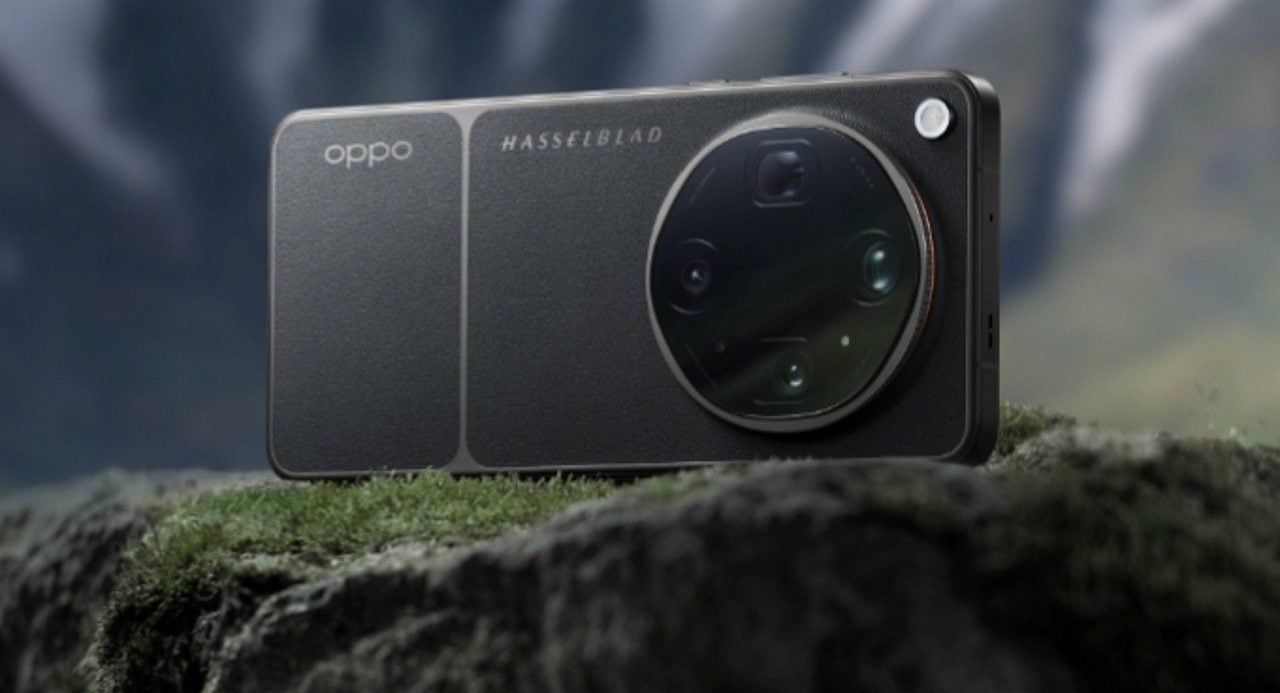
The global mobile device industry sees a shift in photography hardware development with the announcement of the Oppo Find X9 Ultra. The Chinese manufacturer’s new device breaks the recent pattern of incremental updates by presenting a set of cameras focused on robust physical specifications. The equipment includes two 200 megapixel lenses. The strategy contrasts with the behavior of direct competitors. Nos In recent years, big brands have prioritized software refinement and artificial intelligence over raw resolution increase.
The launch puts the brand back in a position of direct technical competition against the most advanced Apple and Samsung models. The device attracts the attention of technology analysts and professional photographers by bringing back optical approximation capabilities that had been abandoned by the premium market. The project seeks to meet a specific demand for versatility in image capture. The device requires complex internal components and an adapted rear design to accommodate the new high-density sensors.
Arquitetura photographic integrates two very high resolution lenses
The main technical change to the smartphone is in the configuration of the rear module. The industry standard approach tends to focus maximum resolution on just the main camera. The company decided to change this logic. The 200-megapixel sensor was also implemented in the short-range telephoto lens. Essa decision allows the recording of a greater volume of visual information. Zooms up to three times gain in-depth detail. Maintaining sharpness represents a physical advancement over software solutions.
The development of the optical system included the direct participation of Hasselblad. The traditional Swedish manufacturer of professional photographic equipment assisted with the project. The commercial and technological partnership focuses on color calibration and light processing. The complete structure of the device offers four distinct focal length options for the user.
- Main Câmera equipped with 200 megapixel sensor for high-density captures.
- Lente 200 megapixel telephoto with three times optical zoom aimed at portraits.
- 50 megapixel periscopic Módulo capable of achieving ten times true optical approximation.
- Lente 50 megapixel ultrawide designed for capturing landscapes and architecture.
The combination of these four components requires considerable physical space on the back of the phone’s chassis. The camera block adopts a prominent circular shape. The design feature reflects the need to accommodate the periscopic lens’ internal mirrors and large image sensors. The thickness of the device is slightly increased in this specific region to ensure the correct alignment of the glass elements.
Retorno from long-range optical approach to the premium segment
The mobile phone market sees the return of an important technical specification. The ability to perform a native tenfold optical zoom has been missing from major releases since early 2023. The technology had been replaced by fivefold lenses. The system used digital cutouts to simulate the greater range. The abandonment movement was led by big brands. The official justification involved optimizing internal space and reducing production costs.
The reintegration of the tenfold lens on the Find X9 Ultra offers a physical alternative for capturing objects located at great distances. The periscopic system works through a prism. The piece redirects light at a ninety-degree angle. The mechanism allows the lens assembly to extend horizontally inside the cell phone body. The structure prevents image degradation that occurs when software tries to fill in missing pixels in a purely digital zoom.
Profissionais content creation and mobile photography enthusiasts find this configuration to be a more accurate tool. The equipment facilitates coverage of sporting events or nature recordings. Optical image stabilization acts continuously in the horizontal and vertical axes. The mechanism compensates for the natural tremors of the user’s hands. Capturing sharp photos at ten times zoom would be impossible without this mechanical damping system.
Commercial Posicionamento diverges from artificial intelligence strategies
The current mobile technology scenario presents a saturation in the race for superlative hardware numbers. The main corporations in the sector directed their investments in research and development to another area. The integration of generative artificial intelligence tools took center stage. Funções like unwanted object removal and automatic lighting correction dominate advertising campaigns for the latest models.
The Chinese manufacturer’s bet on robust physical components works as a counterpoint. The current trend focuses on the virtualization of photography. Delivering oversized hardware seeks to capture a specific segment of consumers. Public Esse values pure optical capture before the intervention of corrective algorithms. The commercial strategy assumes clear risks. Product manufacturing costs increase considerably. 200-megapixel Sensores and periscopic prisms have a high procurement value in the supply chain.
The financial impact of this engineering choice directly reflects the final price of the device on the shelves of the international market. Assembling a complex camera module requires specialized production lines. Strict quality control processes ensure perfect alignment of the four lenses. The brand positions the device in a restricted price range. The target is an audience willing to pay a premium for exclusive specifications.
Exigência processing and impact on video production
Managing image files generated by two 200 megapixel sensors requires extreme processing capacity. The chipset integrated into the smartphone needs to handle a massive flow of data in fractions of a second. The speed avoids delays between activating the shutter and recording the photo. The internal architecture of the image signal processor works in conjunction with RAM memory. The system guarantees operational fluidity during intense photography sessions.
High-resolution video recording also directly benefits from the new optical structure. The entry of light facilitated by large sensors results in audiovisual captures with a lower level of digital noise. Performance improves in nighttime scenarios or indoor environments with poor artificial lighting. The transition between the four lenses during recording occurs seamlessly. The user changes the focal length without sudden interruptions in the image.
The set of physical innovations establishes a new requirement parameter for the next generation of mobile devices. The consumer market’s response to this hardware-intensive offering will determine the sector’s next steps. Other manufacturers may review their product strategies for the coming years. Competition in the premium smartphone segment gains a physical element of differentiation. The industry will need to balance advances in artificial intelligence with the delivery of high-performance optical components.





