
Samsung stops sales of triple-screen cell phones due to structural display flaws

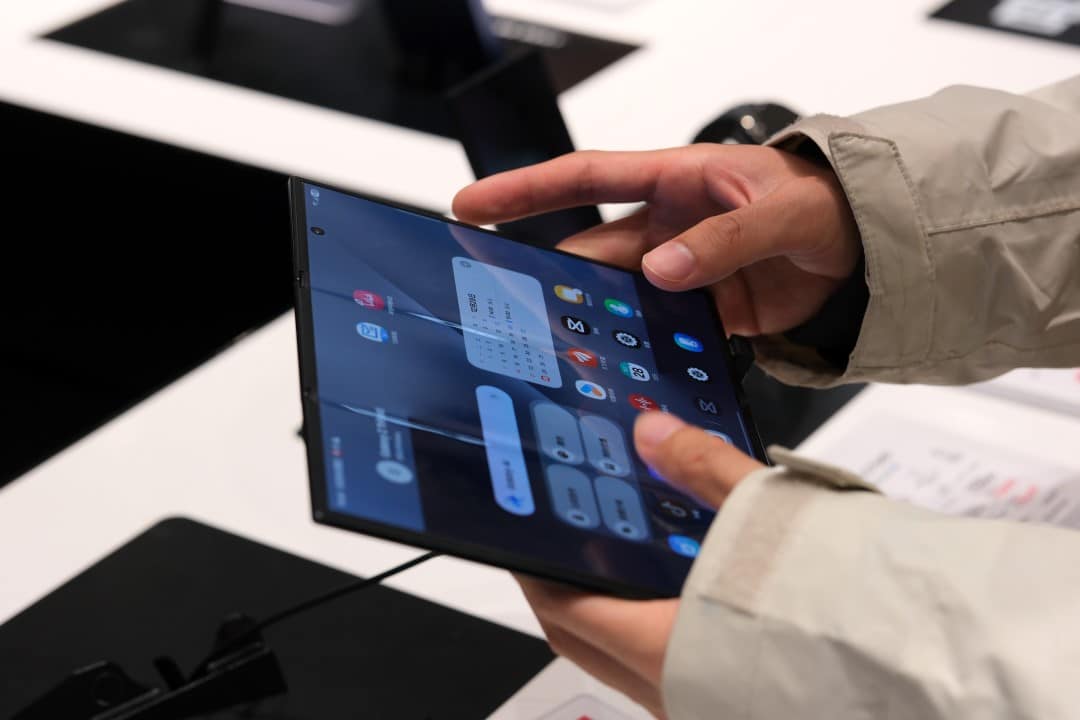
Samsung has ceased marketing the Galaxy Z TriFold worldwide. The device marked the manufacturer’s first foray into the triple screen segment. The device hit the market with a suggested price of US$2,899. The withdrawal comes just three months after the official launch. Consumidores sold out initial stocks quickly whenever stores received new batches. The demand surprised executives at Coreia, Sul and Estados Unidos.
The abrupt interruption derives from a combination of operational factors. Relatos of fragility in the internal display raised an alert at the company’s headquarters. The high manufacturing cost squeezed profit margins to the acceptable limit. The company decided to stop the assembly line immediately. The remaining Unidades and Estados Unidos will remain on shelves until supplies last. The South Korean market has already blocked new orders permanently.
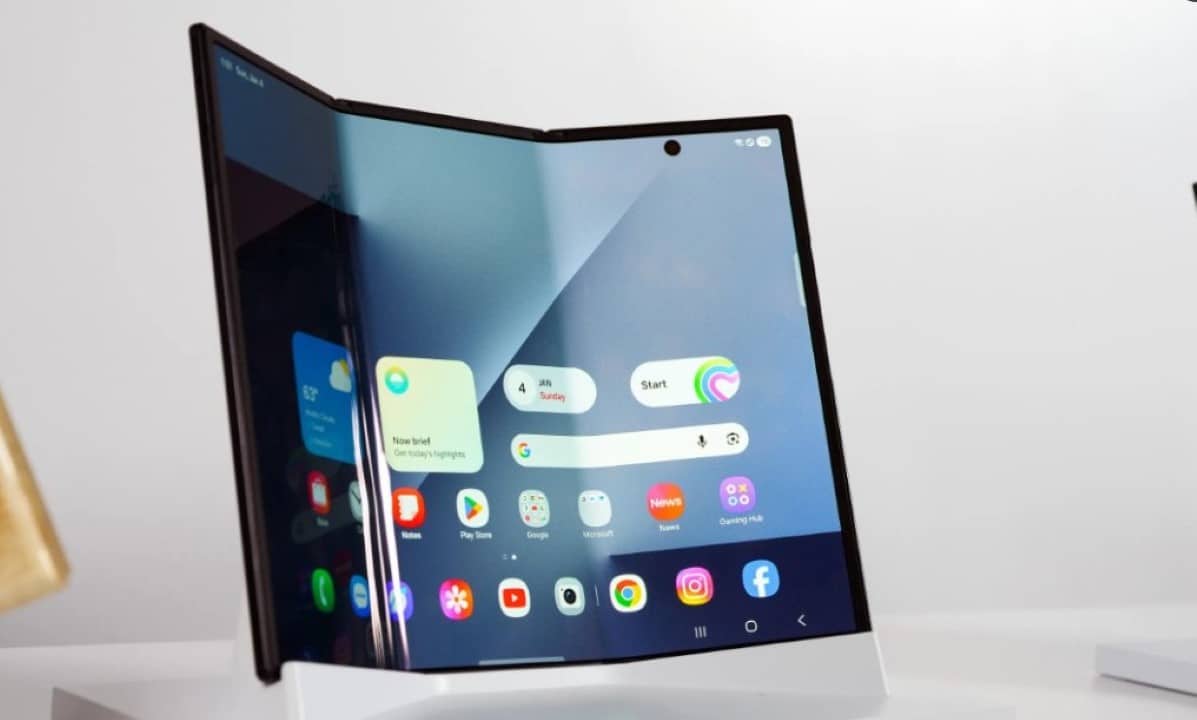
Desafios technical and structural failures on the display
The first buyers identified mechanical problems within a few weeks of activating the devices. The approximately 10-inch internal screen had deep creases. Algumas units have recorded complete loss of touch sensitivity in specific areas. The complexity of the mechanism required two independent hinges. Essa architecture has increased exposure to debris and dust. The manufacturer collected the damaged devices for laboratory analysis. Engenheiros found premature fatigue in flexible materials during everyday use.
The scenario refers to the obstacles faced by the brand in 2019. The first Galaxy Fold suffered significant delays before reaching stores. Tech’s Jornalistas reported crashes in test units prior to commercial launch. The company needed to collect the prototypes and review the original project. The redesign included extra protections on the ends of the hinges. The current situation with the triple model reflects the same learning curve. The difference lies in the quick decision to cancel current production rather than attempt palliative fixes.
Impacto financial and manufacturing costs
The price of US$2,899 restricted the target audience to technology enthusiasts with high purchasing power. The price exceeds the cost of many high-performance portable computers. The strategy aimed at exclusivity in the extreme premium segment. Sales volume did not reach the level necessary to justify continued production. The assembly line required complex calibration processes. The artificial scarcity generated virtual queues and temporarily inflated the parallel market.
The global supply chain added extra pressure to the project. The price of memory modules has undergone recent adjustments on the international market. Componentes specific to foldables have few qualified suppliers. The device’s profit margin quickly approached zero. Maintaining manufacturing would represent an economically unviable model in the long term. The board chose to redirect resources to more profitable lines. The mobile phone sector is going through a period of contraction, which requires caution in investments.
Brand Histórico and evolution of the flexible segment
The South Korean manufacturer uses experimental launches to test public acceptance. User feedback guides modifications in subsequent product generations. The traditional Galaxy Z Fold line required adjustments to reach commercial maturity. The triple screen model fulfilled the role of demonstrating innovation. Collecting real usage data is invaluable to hardware engineers. The accumulated experience has allowed foldables to move from a niche to an established category.
The evolution of flexible devices depends on advances on multiple technological fronts. The industry works to resolve physical limitations of current materials. Development ranges from display chemistry to precision mechanics. Competition has accelerated the pace of innovation in the Asian market. Marcas rivals like Honor and Oppo present competitive alternatives. Samsung needs to quickly iterate on tested concepts to maintain leadership.
- Redução of the total weight of the internal mechanical components.
- Aprimoramento of resistance against infiltration of debris into gears.
- Otimização system for multiple simultaneous viewing areas.
- Desenvolvimento of thinner and more durable hinges.
Planejamento strategic and successor development
The end of sales does not mean the abandonment of the three-screen format. The company’s top management classifies the launch as a valid technological experiment. The research and development department is already working on a successor version. The main focus is on re-engineering the double hinges. The new mechanism will seek to reduce the total thickness of the equipment. Ergonomic comfort and commercial viability will dictate the rules of the new design.
Projeções market points point to a possible new launch in mid-2027. The extended deadline reflects the manufacturer’s cautious strategy in high-risk innovations. The company will not repeat the rush to commercialize new formats. The internal testing cycle will be expanded to simulate long-term wear and tear. The goal is to deliver a product that balances innovation with larger-scale production and controlled costs.
The quick cancellation demonstrates a pragmatic approach by the corporation. The company avoided prolonging the manufacture of an item with low profitability. Technical support will continue to serve the owners of units already sold. The episode illustrates the challenges inherent in creating new categories of electronics. The frontier of hardware design requires constant adaptation. The industry awaits the next advances in the durability of flexible displays.





