
Xiaomi begins distribution of the HyperOS 3.1 system with a focus on speed and integration

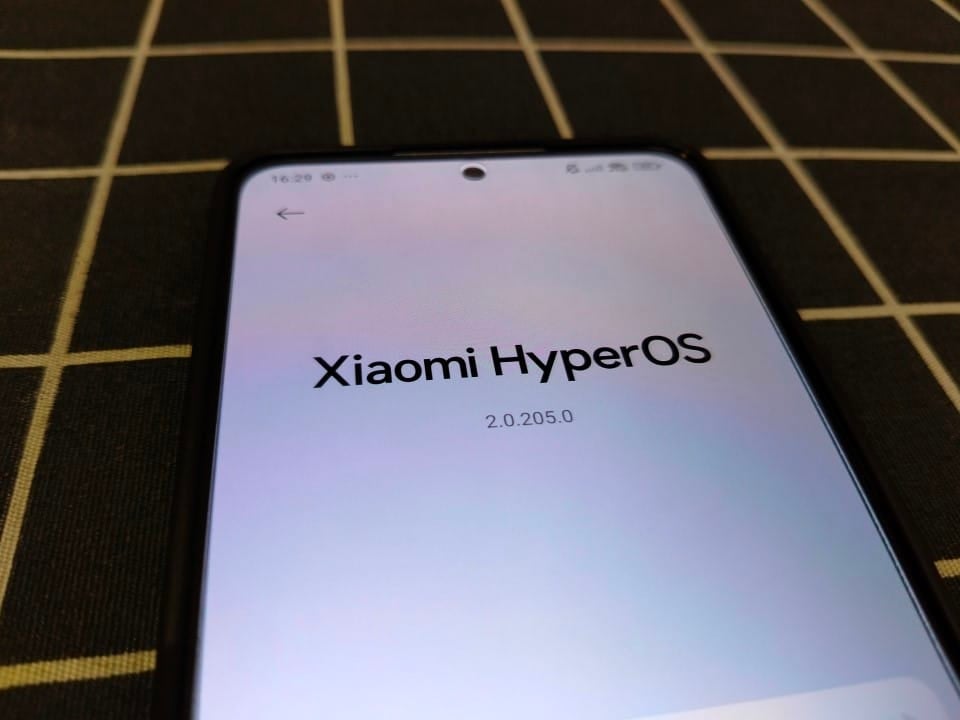
Chinese manufacturer Xiaomi has started shipping the latest version of its user interface to a select group of mobile devices. The HyperOS 3.1 operating system arrives in a staggered manner to consumers who have devices from the Asian company’s main lines and sub-brands. The software package brings profound changes to the operating architecture of phones and tablets. Distribution takes place in regional lots.
Construída on the basis of Android 16, the new platform focuses on resolving performance bottlenecks reported in the previous generation. Developers implemented new memory management and battery optimization tools to extend component life. The update also reinforces the brand’s ecosystem by facilitating direct communication between different electronic devices connected to the same user account. Especialistas point out that the movement seeks to retain customers through a more fluid user experience.

Inovações visuals and in-software performance tools
One of the main attractions of the update goes by the name of Super OTA. Este mechanism revamps the way the cell phone downloads and installs security packages and new system versions. The time needed to restart the device after a download has fallen drastically with the new technology. The company has also reduced the rate of errors and failures that used to occur during the process of replacing essential operating system files.
The graphical interface has undergone a noticeable aesthetic refinement since the lock screen. Users now find an expanded catalog of interactive widgets and customizable clock options. Transition animations between applications have gained additional frames to convey a feeling of greater smoothness to the touch. The manufacturer’s native programs, such as photo gallery and file manager, feature a restructured layout to facilitate navigation with just one hand.
The feature known as HyperIsland has received an enhancement to its dedicated artificial intelligence. The tool now groups message notifications and media controls more dynamically at the top of the screen. Outra relevant technical addition involves native support for Apple headphones. Proprietários for AirPods now features spatial audio and pairing animations identical to those found on the iOS system.
Lista of flagship smartphones receiving the version
The release strategy prioritizes the most expensive and recent devices in the manufacturer’s portfolio. Models classified as top of the line lead the queue to receive the data package. The Xiaomi 15 family, which includes the Pro, 15S Pro, 15T and Ultra variants, has guaranteed compatibility from the first day of testing. The internal schedule also mentions the future Xiaomi 17 series, although these devices do not yet have an official arrival date in stores.
Proprietários from previous generations have not been forgotten by the software development team. The company has confirmed that the complete Xiaomi 14 series, comprising Pro and Ultra editions, is on the upgrade route. The same level of support applies to users of the Xiaomi 13, 13 Pro and 13 Ultra line. The brand’s long-term maintenance policy ensures up to four years of major system changes for these premium phones.
- Aparelhos with folding screen like Mix Fold 3 and Fold 4 are part of the first echelon of the schedule.
- Modelos compact clamshells, including Mix Flip and Mix Flip 2, receive the adapted software.
- The Civi series, represented by 4 Pro and 5 Pro versions, completes the main brand’s priority catalog.
Adapting the system for flexible screens required specific software engineering work. Developers needed to ensure that the application transition between the external display and the internal panel occurred smoothly. The opening and closing animations of the virtual hinges have been rewritten to follow the physical movement of the hardware parts.
Expansão system for Redmi and Poco brand devices
The Redmi sub-brand concentrates the largest volume of devices eligible for the operating system transition. Focada in the intermediate and entry segment, this division reaches millions of consumers around the world. The popular Note family leads the migration with the Note 14 series, encompassing the Pro, Pro+ and 14S editions. The future generation Note 15 is also born with the source code prepared to run the new interface natively.
Support covers phones released in previous years to keep the user base active. The Redmi Note 13R, along with its Pro and Pro 4G variants, continues to receive attention from the technical support team. In the sub-brand’s high-performance segment, the K70, K70E, K70 Pro, K80 and K90 lines are confirmed in the update process. Estes specific models gain optimizations aimed at thermal management during prolonged gaming sessions.
The Poco division presents a leaner list of devices compatible with the data package. Conhecida for delivering high processing power at competitive prices, the brand started internal tests with the Poco F6 Pro model. The future F7 line and the Poco X7 Pro device also appear in the company’s planning documents. The entry portfolio includes the Redmi A3, A3 Pro, 13X and 15 4G, in addition to the gaming-focused series Redmi Turbo 4 and Turbo 5.
Tablets Compatibles and Global Distribution Schedule
The tablet market gained relevance in the Asian company’s ecosystem strategy. The new software introduces multitasking shortcuts that allow you to split the large screen into up to four simultaneous windows. The Xiaomi Pad 7 family, in standard versions, Pro and Ultra, tops the list of upgradeable equipment. The Pad 7S Pro 12.5-inch expanded display model and Pad 6S Pro 12.4 maintain full compatibility with productivity tools.
The list of large-screen devices extends to the most affordable options in the catalog. The Pad 8 line, including the Mini variant, is part of the official shipping schedule. Pelo side of the sub-brands, the Redmi Pad 2, in its Pro, 4G and SE 4G versions, gains gradual access to new features. The Poco Pad M1 tablet closes the list of devices that will benefit from improvements in navigation gestures and visual accessibility.
The software shipping process follows strict quality control divided into geographic stages. The company’s servers release the files first to consumers located at China. Esta initial phase works as a great stress test to identify possible failures not detected in the laboratory. Após stability validation, installation package gets the green light to cross Asian borders.
Global expansion occurs automatically through notifications on the screen of eligible devices. Brazilian users usually receive the news a few weeks after the start of the international cycle. The device owner does not need to perform any complex procedures, simply accessing the settings menu and searching for available updates. The manufacturer monitors the behavior of updated phones to immediately pause shipping if reports of excessive battery consumption or unexpected crashes arise.





