
Artificial intelligence-powered wearables redefine daily health monitoring

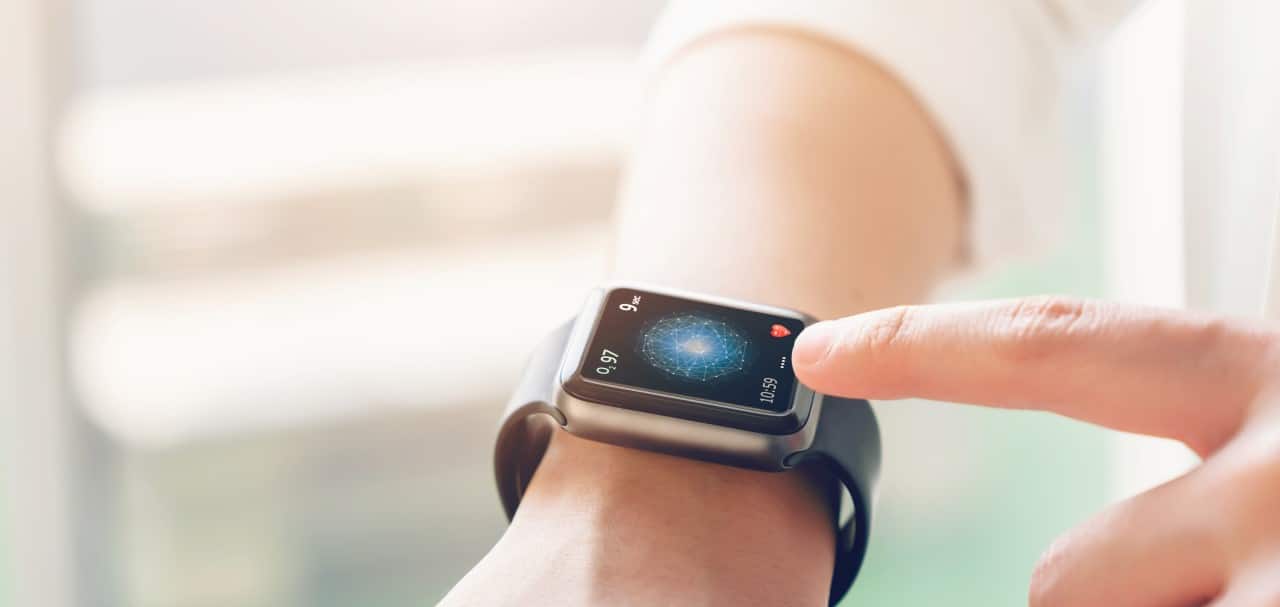
The wearable devices market reaches a new level of technological precision in the year 2026. The deep integration of artificial intelligence allows the processing of biological data in real time. Consumidores seek equipment that balances continuous monitoring with comfort for daily use.
Fabricantes globals update their catalogs with a focus on battery life and aesthetic discretion. Pulseiras, smart watches and rings compete for user preference through advanced metrics. The sensors capture everything from sleep quality to heart rate variability and stress levels. Choosing the ideal format directly depends on the physical activity profile and the need for integration with smartphones.
Smart Pulseiras maintain cost-benefit appeal
Bracelets continue to be positioned as the main gateway to health monitoring. The affordable cost attracts users who start tracking basic body metrics. Popular Modelos from Asian brands offer dedicated sensors for measuring blood oxygenation and detecting stress. The simplicity of the operating system guarantees fluid navigation.
Battery autonomy represents the biggest differentiator of this product category. Diversos devices surpass the three-week mark away from outlets. The lightweight and compact design favors uninterrupted use during the day and night. Usuários gets consistent reporting on step count and calorie expenditure without worrying about daily refills.
Mid-range Versões receive hardware upgrades that bring the performance closer to more expensive watches. Syncing with health apps consolidates information into easy-to-read graphs. The scalability of the ecosystem allows consumers to understand their metabolic tendencies before investing in complex equipment. Mass adoption consolidates the format in global retail.
Relógios MFPs lead in productivity and sports
Smart watches function as true extensions of cell phones in the urban environment. High-resolution color screens display instant notifications and let you control third-party apps with quick taps. Cutting-edge Equipamentos incorporate electrocardiogram technology and passive detection of cardiac arrhythmias directly on the wrist. Versatility attracts corporate audiences and high-performance sports enthusiasts. The market approves. Sensores advanced optics capture data during intense workouts with accuracy comparable to chest straps.
Integration with closed mobile ecosystems ensures a seamless user experience. Premium Dispositivos offer extended autonomy through solar charging panels embedded in the glass. Real-time stress monitoring triggers vibrating alerts for guided breathing exercises. Detailed sports Perfis uses dual-frequency global positioning systems to map routes with millimeter accuracy.
Additional Funções expand the usefulness of the accessory beyond the medical scope. Support for contactless payments and making phone calls via independent mobile networks reduces smartphone dependence. Dados combined with external platforms enrich long-term fitness analysis. Resistance to impacts and deep dives meets the demands of extreme environments.
Anéis gains ground with focus on recovery and stealth
Smart rings prioritize technological invisibility and the passive collection of biometric information. The format eliminates visual distractions caused by bright screens and constant notifications. Direct, uninterrupted contact with the thin skin of the fingers significantly improves the fidelity of body temperature readings. Accuracy in identifying sleep phases reaches levels close to traditional clinical examinations.
The current market presents a variety of options focused on physical and mental recovery.
- Recent Modelos eliminate monthly subscription charges for access to complete data.
- Miniaturized Sensores records heart rate variability during nighttime rest.
- Specific Algoritmos monitor variations in the hormonal cycle based on thermal trends.
Unobtrusive monitoring appeals to consumers suffering from digital fatigue. The absence of interactive interfaces forces the user to consult reports only at appropriate times via the cell phone application. The processed data generates daily physical readiness scores. The system evaluates the stress accumulated from the previous day and the quality of the night’s recovery to suggest the ideal training intensity.
Integration with other health sensors expands the possibilities for metabolic analysis. Use in conjunction with continuous glucose monitors provides a detailed overview of the impact of food on rest. The focus on holistic well-being transforms the accessory into an essential tool for optimizing your routine. The durability of materials, such as titanium, guarantees resistance against scratches and falls.
Artificial Inteligência and non-invasive sensors dictate the future
Generative artificial intelligence transforms wearables into proactive personal health assistants. Operating systems move away from simply displaying graphics to providing natural language interpretations. The device cross-references sleep, activity and heart rate information to deliver actionable guidance first thing in the morning. The change is drastic. Market fragmentation allows for the emergence of highly specialized options for different demographic profiles.
Advances in materials engineering drive the development of non-invasive sensors. Laboratórios research tests spectroscopy glycemic monitoring technologies in advanced beta phases. The ability to measure blood components without piercing the skin represents the industry’s next big leap. Users gain increasingly robust tools for preventing chronic diseases.
Choosing the ideal format requires a careful assessment of individual needs. The consumer must weigh the importance of visual notifications against the desire for invisible monitoring. The available budget also dictates the level of precision and quality of the materials used in the construction of the device. Sector consolidation ensures that all categories offer reliability in capturing basic vital signs.
The digital health ecosystem matures with the standardization of communication protocols between different brands. Interoperability makes it easy to securely share medical records with healthcare professionals. Wearable technology goes from being a niche accessory to becoming a fundamental pillar of preventive medicine. Local data processing ensures the privacy of the most sensitive biometric information.





