
New Zealand government includes feral cats in eradication program to save wildlife by 2050


The Nova Zelândia government determined the official inclusion of wild cats in the priority list of the Predator Free 2050 environmental program. The government initiative sets the goal of completely eradicating these predators from the national territory over the next few decades. The minister of Conservação, Tama Potaka, signed the directive that changes the original scope of the project.
The measure meets old demands formulated by biodiversity defense organizations. Feral felines were not part of the initial text of the public policy launched in 2016. The new classification places the species at the same level of population control already applied to rats, weasels, ferrets, stoats and Australian possums. The central objective is to stop the population decline of native animals that suffer from daily predatory hunting.
População of invasive felines hits million-dollar brands in the country
Recent Levantamentos driven by Departamento of Conservação indicate a massive presence of the invasive species. Official data indicate that the current population varies between 2.5 million and 8 million individuals spread across the islands. Esses animals predominantly inhabit remote areas of dense forests. Eles also occupy vast areas of rural properties and agricultural transition zones. Territorial dispersion makes it difficult to accurately map breeding sites.
Uncontrolled proliferation occurred due to the historical absence of large natural predators in the local ecosystem. New Zealand’s fauna evolved over millennia in an isolated environment. The introduction of carnivorous mammals by European colonists drastically altered the original food chain. Wild cats quickly adapted to the region’s climatic and geographic conditions. The species’ reproductive capacity accelerated the occupation of different ecological niches in a short period of time.
State planning requires a technical approach to differentiate between feral animals and pets. Environmental authorities define the exclusive target of felines that live in a completely wild state, without any dependence or contact with humans for food or shelter. Current legislation protects registered domestic cats. The government advises urban and rural owners to keep their animals’ visual and electronic identification up to date.
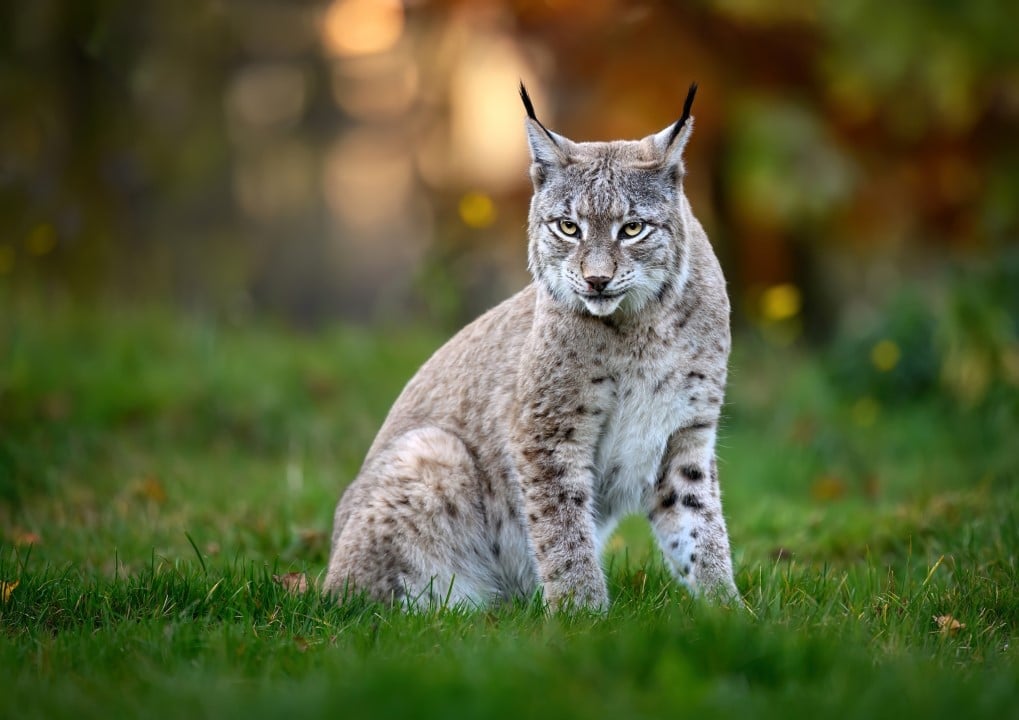
Ameaça directs to endemic species and disease transmission
The environmental impact caused by predation reaches critical levels for the survival of several local species. Mais of 200 types of native birds are currently on the list at risk of extinction. Wild cats are responsible for the annual deaths of millions of endemic birds, bats, lizards and insects. The kiwi, the bird that represents the country’s national symbol, suffers severe losses in its breeding areas. Terrestrial hatchlings become easy prey during the first few months of their lives.
The problem goes beyond direct hunting and affects the health of complex marine ecosystems. Wild cats act as primary vectors of the parasite that causes toxoplasmosis. Contamination of waterways carries pathogens to the ocean. The disease seriously affects Māui dolphins, whose population is already in critical decline off the New Zealand coast. Cross-transmission reduces fertility rates and increases pup mortality.
The agricultural sector also records financial losses resulting from the spread of diseases. Toxoplasmosis affects sheep and cattle herds on farms close to forest areas. Minister Tama Potaka classified feral cats as highly efficient predators that demand immediate intervention from Estado. The protection of terrestrial and marine mammals depends on drastically reducing the parasite load in the environment.
Estratégias control involves funding and community support
The operational details of the new phase of the environmental program will be published in March 2026. The schedule foresees the release of technical documents with specific guidelines for each region of the country. The federal government structured a package of measures to enable the execution of the plan. The strategy decentralizes actions and transfers part of the execution to local groups. Key guidelines include:
- Implementação of a national coordination system to unify population control efforts.
- Abertura of public financing lines intended for community environmental conservation projects.
- Direcionamento of financial resources for scientific research focused on the development of capture tools.
- Criação of humane protocols to ensure the rapid and efficient elimination of invasive animals.
Sociedade to Prevenção of Crueldade against Animais (SPCA) declared conditional support for public policy. The organization requires that the methods applied minimize suffering during slaughter. The use of specific baits and toxin dispersion devices is among the alternatives being analyzed by government technicians. Authorities rule out the use of traps that cause prolonged injuries or unnecessary agony to captured felines.
Desafios practical in capturing and monitoring in remote areas
Field teams face significant operational obstacles in the Norte regions of the island. Environmental controllers report the removal of hundreds of individuals over the course of ongoing campaigns. The elusive behavior of surviving felines makes total eradication in defined perimeters difficult. Older Animais demonstrate learning ability. Eles avoid routes where monitoring cameras and capture cages were previously installed.
The persistence of small groups of cats in protected areas compromises habitat recovery work. The presence of a single adult predator in a kiwi breeding area results in the loss of dozens of young within a few weeks. Monitoring requires frequent night patrols and the use of thermal vision technology. The logistical cost of operations in mountainous terrain and dense forest increases the budget of environmental agencies.
The engagement of rural communities complements the work of Estado agents. Fazendeiros receive technical training to manage invasive populations within the boundaries of their properties. The program provides subsidized equipment and professional guidance to agricultural producers. The integration between the private sector and conservation bodies seeks to create a protection belt around national parks.
Perspectivas for the conservation of national biodiversity
The review of the Predator Free 2050 strategy establishes intermediate milestones for evaluating results. The government invests in the development of innovative technologies to enable large-scale eradication. Pesquisadores tests new olfactory attractants and artificial intelligence systems coupled to selective traps. The modernization of equipment aims to increase the precision of captures and reduce the need for constant human intervention in the forests.
The success of the initiative depends on maintaining public funding over the next two decades. Especialistas in conservation biology monitor indicators of recovery of native fauna in areas already treated. The increase in the number of birds sighted in controlled regions serves as a metric of program effectiveness. New Zealand environmental policy consolidates an invasive species management model based on scientific data.
The eradication of wild cats represents the most complex stage of the national environmental protection plan. The mobilization of human and financial resources reflects the priority given to preserving the country’s genetic heritage. Coordinated actions between government, scientists and civil society structure the operational basis of the project. Meeting the target set for 2050 requires the continuous application of population control methods throughout the territory.





