
Study shows that weight loss cycle improves metabolism by 25% even after weight regain

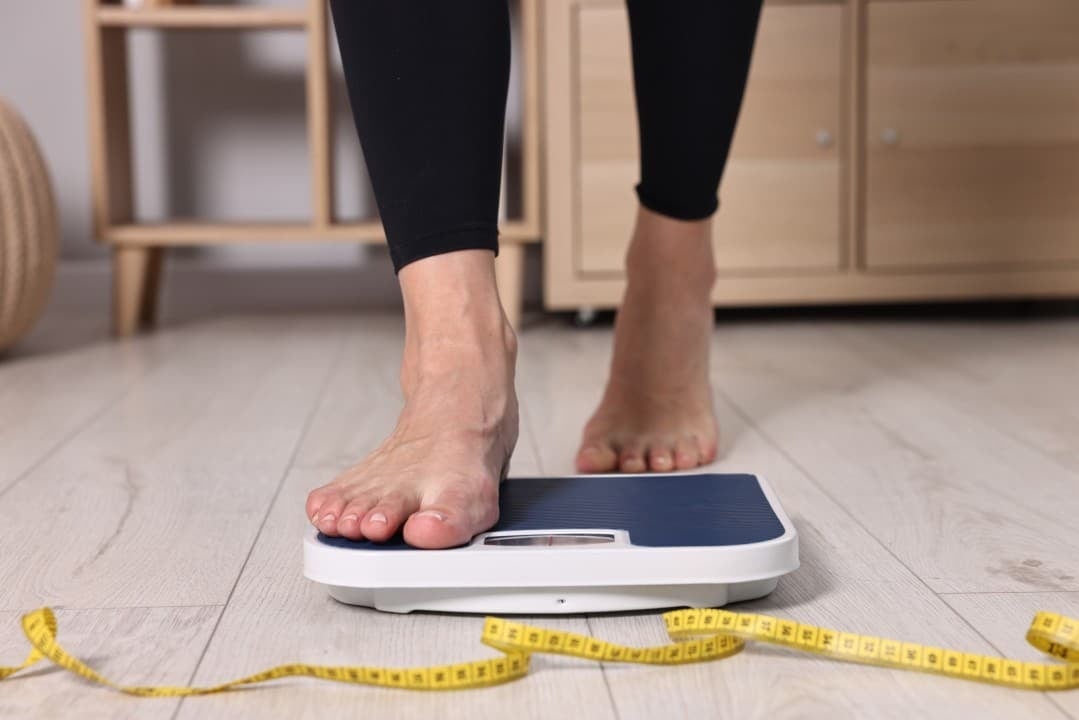
Constant fluctuations on the scale tend to generate frustration in patients looking to permanently lose their measurements. However, a recent clinical analysis demonstrated that the repeated cycle of weight loss and mass gain promotes lasting positive adaptations in the human body. The data indicates that successive attempts to reduce weight create a type of internal protection. Essa condition favors overall body composition. The phenomenon contradicts the traditional perception that the return to initial numbers completely nullifies previous efforts.
The survey followed around 500 individuals undergoing two randomized clinical trials over 18 months. The volunteers adopted a rigorous protocol based on the Mediterranean diet in conjunction with regular physical activity. Exames advanced imaging mapped the changes in each participant’s physical structure during the process. Scientists found that health markers showed an increase of 15% to 25% in the second phase of the study. Esse advance remained active even when people returned to their original weight.
Memória cell phone preserves advances in the body
The researchers responsible for the project identified the formation of a cardiometabolic memory during phases of calorie restriction. Essa biological characteristic allows the body to retain the benefits acquired during periods of greater dietary and sporting discipline. Insulin sensitivity improves considerably. The lipid profile also reaches safer levels for the cardiovascular system. Internal tissue adaptations continue to operate behind the scenes of human biology.
Professor Iris Shai led the interpretation of the results and pointed out that returning to starting weight does not mean a total setback. Patients who repeated the intervention program recorded less adipose tissue accumulation in subsequent cycles. Persistence in resuming good habits generates cumulative benefits over the years. The body learns to better deal with energy storage after each structured weight loss attempt.
Assessments have shown that the human body develops more efficient defense mechanisms after experiencing programmed restrictions. Basal metabolism undergoes changes that protect vital organs against excess lipids circulating in the blood. Especialistas from the medical field begin to observe the history of fluctuations with a less punitive perspective. Temporarily maintaining an active lifestyle already delivers measurable biological results.

Impacto directly reduces visceral fat
The adipose tissue accumulated in the abdominal cavity represents the greatest risk factor for the development of chronic diseases. Essa deep fat surrounds essential organs such as the liver and pancreas. The excessive presence of this biological material interferes with systemic functioning and increases the chances of serious metabolic syndromes. The study proved that repeated interventions can mitigate this specific deposit in a highly effective way.
The use of magnetic resonance equipment guaranteed the accuracy of measurements during all stages of the clinical trial. The images revealed substantial reductions in the volunteers’ visceral layer after months of controlled dieting. The most surprising aspect occurred during the body mass regain phase. The fat began to accumulate again, preferably in the subcutaneous region instead of returning to the inside of the abdomen.
Essa change in distribution pattern protects the cardiovascular system against silent inflammation. Subcutaneous fat is stored just beneath the skin and has a considerably lower potential for metabolic damage. Weight loss cycles work like training for fat cells. The body starts to prioritize storage locations that are less harmful to the individual’s general health.
Novos Parameters to Assess Clinical Success
The scientific community debates the urgent need to review the traditional criteria used to measure the success of obesity treatment. The exclusive dependence on the numbers indicated by the scale masks the positive internal transformations that occur in the patient. The spatial distribution of adipose tissue requires greater attention from health professionals during outpatient monitoring.
Longitudinal data collected over five and ten years reinforces the importance of looking at different body metrics. The researchers established new focuses of analysis to determine the evolution of the clinical picture:
- Níveis of glucose and pancreas response to insulin production.
- Concentração of triglycerides and cholesterol in the bloodstream.
- Exact Volume of adipose tissue around internal organs.
The adoption of these parameters provides a realistic overview of the risks of heart attack or stroke. Participants who maintained metabolic gains proved that internal health does not depend on a static weight. Programas structured nutritional re-education systems deliver immediate preventative value. Numerical fluctuation loses relevance when the internal environment remains balanced and functional.
Expansão from testing for diverse populations
The next phase of scientific research envisages the inclusion of broader and more varied demographic groups. Scientists plan to significantly increase the proportion of women in clinical trials to map possible hormonal differences in retention of benefits. The nutritional quality of the diet applied will undergo even more rigorous scrutiny. The volume and intensity of physical activity will also receive individualized measurements.
The biological mechanisms that control daily energy expenditure form the basis of future laboratory analyses. The research team aims to explore the behavior of adipose tissue at the cellular level during weight transitions. Compreender’s in-depth look at how these adaptations survive time will help inform the creation of targeted therapies. The central objective is to uncover the exact triggers that activate cardiometabolic memory.
Technological advances in imaging equipment will allow continuous tracking of structural changes in the coming years. The current findings already offer important psychological relief for patients undergoing treatment. Science shows that no effort aimed at adopting healthy habits is wasted by the human body. Successive attempts build a resistant metabolic base prepared to protect the organism in the long term.





