
Toyota, BYD, VW and Renault prepare pickup trucks to face Fiat Toro dominance by 2028

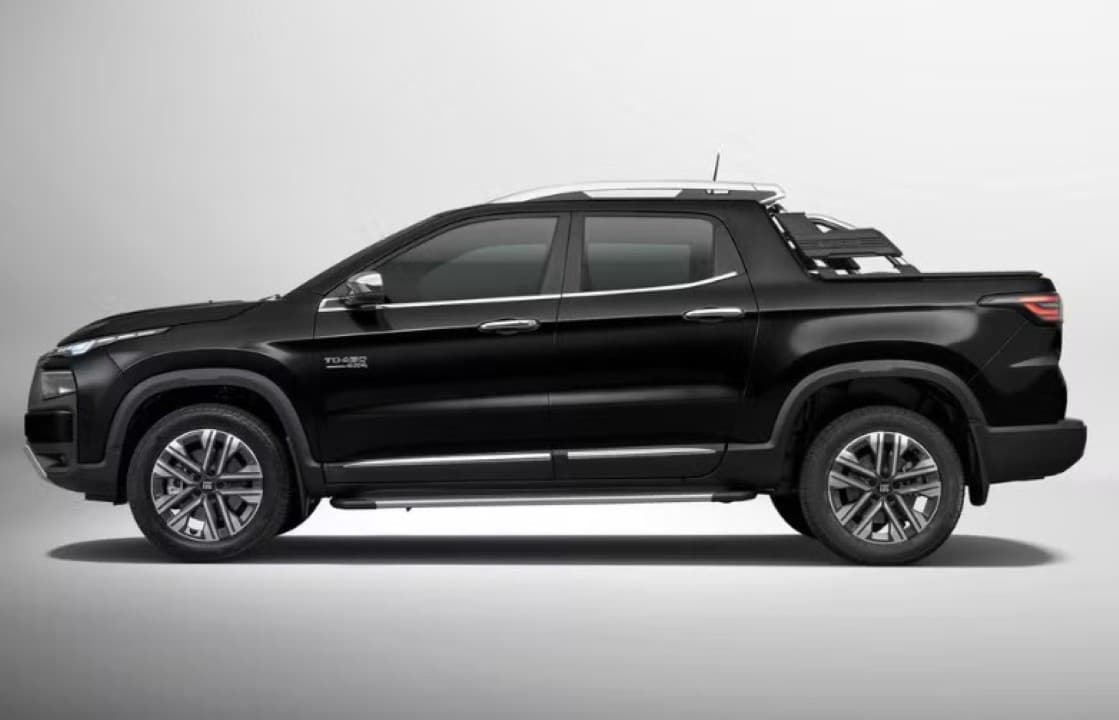
The Brazilian mid-range pickup truck market, consolidated by Fiat Toro since 2016, is entering a phase of intense competition with the arrival of new global models. Montadoras like Toyota, BYD, Volkswagen and Renault have confirmed the development of vehicles designed specifically for this niche. The manufacturers’ strategy focuses on introducing electrification technologies to attract consumers looking for energy efficiency and drivability in passenger vehicles. The move signals the end of a period of isolated leadership for the Italian brand in the medium-compact segment.
Toyota is working on the development of the so-called Projeto 150D, which uses the structural base of the Corolla Cross to give life to its first pickup in this category. The model will be manufactured on the TNGA platform and should introduce the pioneering plug-in flex hybrid system in the national territory. Camouflaged Protótipos are already carrying out road tests on highways in the interior of São Paulo, indicating that the commercial launch could take place in the first half of 2027. The Japanese brand’s expectation is to offer a mechanical package that combines the 2.5 aspirated engine with electric units, delivering all-wheel drive on demand.
BYD hybrid Tecnologia expands dispute in the sector
Chinese manufacturer BYD also officially entered the fray with the Shark pickup, which has slightly larger dimensions than the Toro. The vehicle uses the Dual Mode Off-road (DMO) system, prioritizing electric propulsion with the support of a 1.5 turbo combustion engine. With a combined power of 437 horsepower, the model focuses on sporting performance and load capacity to attract the agribusiness and urban use public. The Shark has Blade batteries integrated into the chassis, a technology that increases structural rigidity and safety against impacts.
The main technical data confirmed for the Chinese model include:
- Potência combined total of 437 hp and torque of 65 kgfm
- Aceleração from 0 to 100 km/h in 5.7 seconds
- Autonomia in all-electric mode up to 100 kilometers
- Bidirectional charging Sistema for external equipment
- Caçamba with volumetric capacity of 1,200 liters
- Central 12.8-inch rotatable multimedia with wireless connectivity
The brand plans to consolidate its dealership network before deliveries begin, scheduled for the next few months of 2026. Price positioning must be strategic to compete with both the top-of-the-line versions of the Fiat Toro and traditional medium-sized pickup trucks.
Volkswagen and Renault detail projects for 2026 and 2027
Volkswagen defined the name Tukan for its representative in the sector, based on the Tarok concept presented previously. The pickup will use the MQB Hybrid platform, allowing the use of the 1.5 TSI engine coupled to a micro-hybrid system (MHEV). One of the differences designed by the German brand is the versatility of the modular bucket, which allows the expansion of the cargo area by folding the rear seats. Esse feature aims to offer best-in-class flexibility for transporting long objects, overcoming the limitations of current designs.
In the Renault group, the focus is on the Niagara project, derived from the recently launched Boreal SUV. The look will follow the French manufacturer’s new global identity, characterized by tapered LED headlights and an imposing front grille with an illuminated logo. The initial mechanics should feature the 170 horsepower 1.3 turbo flex engine, but engineering is studying the inclusion of a variant with E-Tech technology. Production will be concentrated at the Santa Isabel industrial unit, at Argentina, with guaranteed export to the Brazilian market from 2027.

Expansão from the mid-market niche transforms automotive retail
The increase in the supply of intermediate models reflects a change in consumer behavior, which migrates from SUVs and small pickup trucks to more versatile vehicles. Antes created this niche, customers needed to choose between the simplicity of the Fiat Strada or the excessive size of models like the Toyota Hilux and Chevrolet S10. The arrival of structured rivals forces brands to invest in active safety packages and more refined interior finishes. Itens such as autonomous braking, adaptive cruise control and fully digital dashboards become standard requirements in intermediate versions.
Competition should also impact pricing policies and financing conditions for the end consumer. Para maintains the competitiveness of Toro, Fiat already applies specific discount strategies in its flex and diesel configurations, aiming to guarantee sales volume before the massive arrival of new products. Strengthening this ecosystem benefits the auto parts and specialized services sector, since the majority of these new products will have regionalized production in Mercosul. The scenario for 2028 points to a market with at least six distinct options from different brands competing for public preference across the country.





