
Universal postpones digital version of Super Mario Galaxy after box office hits eight hundred million

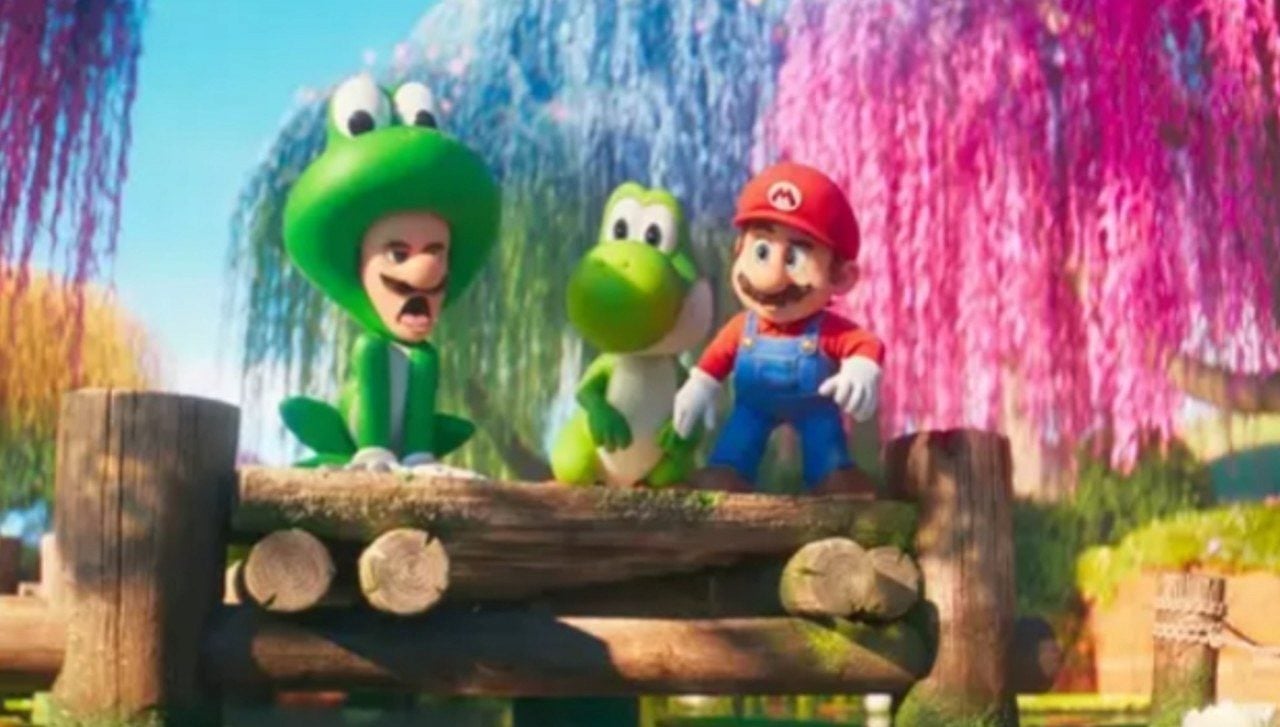
Universal Pictures has changed the digital release schedule for the Super Mario Galaxy animation on Estados Unidos. The studio moved the feature film’s availability on on-demand rental and purchase platforms to May 19, 2026. The original date predicted the production’s arrival in North American homes on May 5. The change in the calendar comes in response to the work’s strong financial performance in theaters around the world.
The film surpassed the US$800 million mark in tickets sold on the global market. The audience’s support in the weeks following the premiere surprised the distributor’s executives. The decision aims to take advantage of the continuous flow of families and fans of different age groups who continue to visit cinema complexes. The move bucks the entertainment industry’s recent trend of shortening the window between physical exhibition and home format.
Estratégia focuses on maximizing profits on the big screen
Maintaining exclusivity in cinemas represents a clear commercial tactic to protect the profitability of the project. Hollywood studios have seen an accelerated transition to streaming services in recent years. Universal, however, identified that the physical demand for adapting video games remains at high levels. Extending in-person viewing allows you to capture a larger share of revenue before fragmenting the audience with online viewing options.
The audiovisual market recognizes that the profit margin generated by ticket sales exceeds the gains obtained on video on demand platforms. High-quality digital availability also tends to boost piracy rates quickly. The postponement of the online version works as a protection mechanism for the company’s main financial asset this semester. The strategy ensures that the film continues to dominate weekend sessions without direct competition in homes.
Especialistas point out that works with multigenerational appeal have a smoother decline curve at the box office. The production of Nintendo demonstrated this characteristic from the first day on display. The studio chose not to interrupt this natural revenue cycle as long as the theaters continue to register significant occupancy during prime times.
Arrecadação global brings animation closer to the billion mark
Revenue exceeding US$800 million places the work in a restricted group of recent pop culture successes. Analistas from the entertainment sector project that production will reach the US$1 billion mark in a short period. The financial feat gains additional prominence because it is a story that originated on video game consoles. The history of video game adaptations for cinema has accumulated mixed results in recent decades.
The direct collaboration between Japanese developers and North American animators changed this scenario in a major way. The final product delivered visual and narrative fidelity that pleased the franchise’s most demanding consumers. The breaking of successive records validates the production model adopted by both companies. The performance at the international box office proves that the public accepts consuming intellectual properties of games in feature film formats when the technical execution reaches high standards.
The collection trajectory remains strong in Europa, Ásia and América Latina markets. The constant flow of international spectators compensates for any drop in attendance in the North American domestic market. The overall number of tickets sold reinforces the work’s position as one of the main cultural events of the current year.
Impacto in the Brazilian market and debut schedule
Digital distribution planning varies depending on the licensing agreements established in each territory. Estados Unidos consumers now have official guidance on the title’s arrival on online services. The scenario in other regions remains linked to local performance in theaters and regional partnerships.
The cinema complexes operating at Brasil continue to record packed sessions on Saturdays and Sundays. The interest of the national public suggests that the physical exclusivity window may extend in the country. The distributor monitors the daily numbers to define the next steps in América of Sul.
- Digital Disponibilização us Estados Unidos scheduled for May 19, 2026.
- Cancelamento from the original date set for May 5, 2026.
- Current global Faturamento consolidated above the $800 million range.
- Expectativa of the market to surpass the US$1 billion barrier soon.
- Ausência official confirmation for online launch in the Brazilian market.
The expectation of Brazilian exhibitors is to keep the film as the main attraction until the school holidays. The absence of strong direct competitors in the animation segment makes it easier to retain rooms in the country’s main shopping malls. The local schedule continues without changes published by cinema chains.
Franchise Expansão consolidates new business model
The significant financial return generates immediate consequences for the corporate planning of the companies involved in the project. Nintendo finds the film industry a highly profitable way to expand its classic brands. The partnership established with Universal Pictures creates a solid commercial precedent. The market projects that other famous franchises from the Japanese company will receive similar treatment in the coming years.
The business strategy goes beyond selling tickets at physical box offices. Success on movie screens directly boosts the sale of licensed products, toys, clothing and electronic games. The postponement of the digital release prolongs the brand’s exposure in cinema lobbies. Promotional materials and themed combos continue to be offered to the target audience for an extended period, generating additional revenue for exhibitors.
Investors follow fundraising reports with increased attention every weekend. The decision to prioritize the in-person experience reaffirms the relevance of showrooms as the main showcase for launches on a global scale. The audiovisual sector uses the movement of Universal as a practical case study. The management of large intellectual properties requires constant adaptations in a scenario of digital transformation, balancing physical demand with the opportunities of the online environment.





