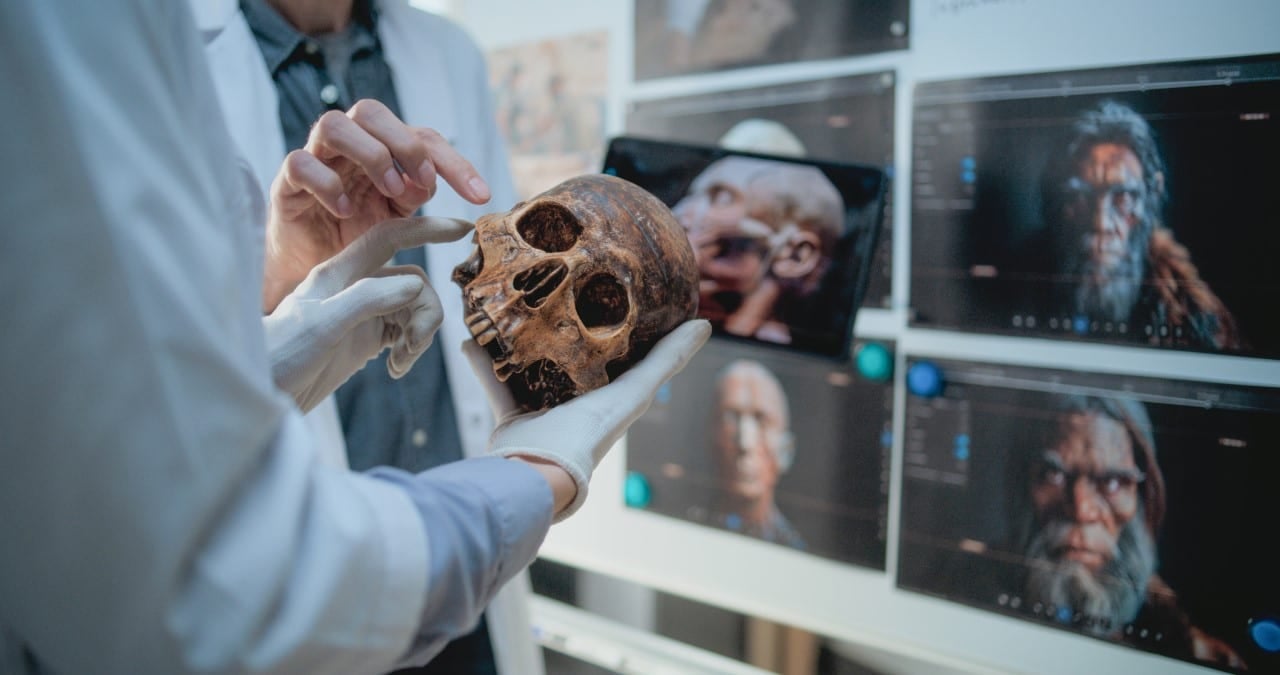
Evidências that Homo neanderthalensis performed dental procedures more than 100,000 years ago transforms understanding of the behavior and cognition of this extinct species. A fossil tooth discovered at an archaeological site shows characteristic marks of intentional manipulation with a stone tool, indicating an attempt to relieve pain caused by tooth decay.
The discovery challenges widely held assumptions about the cognitive and behavioral capabilities of Neanderthals. Análises Microscopic examination of the specimen reveals grooves and marks left by lithic artifacts in a strategic position on the dental crown, compatible with modern techniques for scraping and cleaning bacterial plaque.
Microscopic Análise proves the intentionality of the procedure
Pesquisadores used scanning electron microscopy to map lesions in tooth enamel. The pattern of the marks does not correspond to natural wear or accidental trauma. The strictures left by the stone instrument are concentrated exclusively in the area affected by the carious lesion, suggesting anatomical knowledge and premeditation.
Comparações with marks left by known Neanderthal tools confirmed compatibility with flint and quartz utensils. Archaeologists replicated the movements using replicas of Paleolithic lithic tools and obtained patterns identical to those observed in the fossil. Experimental reproduction validated the hypothesis of deliberate rather than accidental manipulation.
The presence of fossilized tartar deposits around the lesion also provided information about the individual’s oral health and diet. Análise mineral residue chemistry allows inferences about plant- and meat-based diet.
Archaeological site Contexto and dating
The fossil was recovered in a systematic excavation that mapped multiple stratigraphic layers. Datação by radiocarbon and associated methods established a minimum age of 130 thousand years. The depth of deposition at the site and associated cultural artifacts confirm Pleistoceno Médio’s contemporaneity with Neanderthal populations.
The site contained evidence of recurring occupation. Foram found fragments of worked bone, remains of a fire and various utensils. The concentration of material indicates that the site served as a base camp or medium-long term shelter. The presence of an isolated tooth suggests intentional burial or ritual deposition of mortuary remains.
Registros stratigraphic and sediment analysis indicate a temperate to cold climate during the period of occupation. The associated fauna includes remains of Pleistocene megafauna, such as woolly mammoth and woolly rhinoceros, confirming the paleoenvironmental context.
Implicações for Understanding Neanderthal Cognition
Comportamento of self-preservation and pain relief is not unique to modern humans. The dental procedure on the Neanderthal fossil demonstrates:
- Percepção connection between action and consequence (cause and effect)
- Capacidade to apply tool to a specific location on the body
- Possível understanding that manipulation of the lesion would reduce discomfort
- Presença of chronic or acute pain as behavioral motivation
- Memória of learning obtained through practice or observation
Investigadores emphasize that these findings do not imply that Neanderthals had a formalized medical system. The procedure is most parsimoniously explained as a pragmatic response to immediate physical discomfort. Ainda thus, the ability to execute the action denotes planning and refined manual dexterity.
Previous Estudos have documented similar behaviors in Neanderthals, including use of medicinal plants and care for injured or disabled individuals. The discovery joins a growing body of evidence that revises previous narratives about the “brutality” or “primitivism” of this species.
Evolutionary Perspectivas and comparisons with Homo sapiens
Homo anatomically modern sapiens occupied Europa only after the Neanderthal extinction, approximately 40 thousand years ago. The oldest fossils of dental treatment in Homo sapiens date back just 15 thousand years. Nessa chronological perspective, the Neanderthal find significantly expands the temporal window for the origin of medical behaviors in the human lineage.
Comparações with non-human primates reveals that wild chimpanzees occasionally explore wounds with objects, but without demonstrated therapeutic intent. The sophistication of the Neanderthal procedure is at a different level. Neuroimagem from reconstructed Neanderthal brains indicates brain volume comparable to or greater than that of modern humans, although with differences in regional structure.
Pesquisadores warn against excessive extrapolations. A single case does not establish a population pattern. Futuros findings of Neanderthal teeth with similar manipulation patterns would confirm whether the practice was widespread or episodic. Continuous Escavações at European Neanderthal sites holds potential for new examples and refinement of understanding.
Metodologia and scientific validation
Multidisciplinary Análise involved experts in paleontology, dental pathology, experimental archeology and geology. Revisão peer-reviewed submitted the findings to rigorous scrutiny before publication. Raw Dados, including microscopy images and precise measurements, have been made available in an open repository for independent verification.
Interpretive Alternativas were systematically tested and discarded. Padrões from chewing wear were differentiated from those observed in the specimen. Lesão post-mortem was eliminated due to the integrity of the mineral matrix. Accidental Trauma during collection was excluded by the detailed excavation records.
The methodological rigor applied reflects contemporary standards of paleontological research and reinforces the reliability of the conclusions. Estudos replication is underway at independent institutions to cross-validate the findings.