

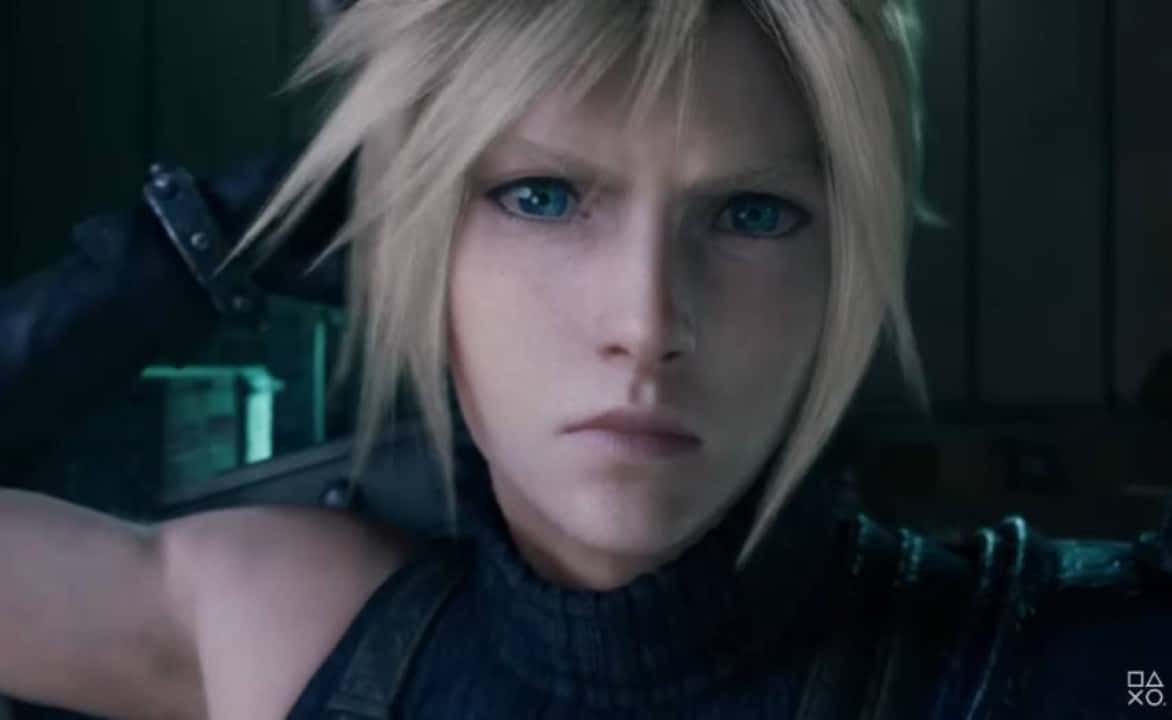
Square Enix has announced a significant strategic shift for the release of the third part of Final Fantasy VII Remake. The game will arrive simultaneously on PlayStation 5, Xbox Series X|S and PC, ending the exclusivity model that characterized previous titles in the remastered series. The decision marks an inflection point in the Japanese studio’s commercial approach, which now prioritizes global reach over exclusive partnerships with console manufacturers.
The announcement was officially confirmed by the developer after a detailed analysis of production costs and the market scenario. The company recognized that maintaining temporary exclusivity on a single platform could harm the financial viability of a large-scale project. Esta change reflects the gaming industry’s growing tendency to adopt multiplatform strategies since launch, avoiding fragmentation of player communities and maximizing initial revenues.

Fim from PlayStation exclusivity and new business model
The first title, Final Fantasy VII Remake, debuted in April 2020 exclusively for PlayStation 4, remaining on this platform for more than a year before arriving on PC via Epic Games Store and Steam. The sequel, Final Fantasy VII Rebirth, followed a similar pattern when it was released exclusively for PlayStation 5 in February 2024. Ambos games generated significant debate about accessibility and inclusivity from gaming communities on other platforms.
The current decision represents a clear reversal of this strategy. Square Enix recognized that the previous model, while profitable initially, created barriers to entry for Xbox and PC players. The company now seeks to maximize audience reach from the first day of launch, aligning itself with practices adopted by other major AAA studios. Esta approach especially benefits Xbox Series X|S owners and PC gamers who have been waiting months for the opportunity to access the full narrative.
Impacto in the Xbox and Game Pass ecosystem
Analistas from the sector point out that the simultaneous inclusion in Xbox Series X|S represents a strategic victory for Microsoft. The company consolidated its competitive position through the acquisition of Activision Blizzard and expansion of the Game Pass catalog, making it economically unfeasible for large publishers to ignore the Xbox user base. Launching Final Fantasy VII Remake part 3 on Game Pass from day one would signal extraordinary commitment to the platform.
The decision also reflects recognition that prolonged timed exclusivities breed resentment among gaming communities. Consumidores of Xbox and PC have expressed frustration for years at the inability to access important titles from Final Fantasy VII Remake. Agora, Square Enix eliminates this barrier, potentially converting critics into satisfied customers and expanding fan bases globally.
Desafios technical and cross-platform optimization
The development team now faces a significant technical challenge: ensuring visual and performance parity between PlayStation 5, Xbox Series X|S and PC. The advanced graphics engine used by Square Enix (presumably an updated version of Unreal Engine) should render complex scenes and elaborate cinematics while maintaining consistency across platforms. Desenvolvedores need to optimize code for different processor and memory management architectures.
PlayStation 4 version Ausência and Xbox One indicate that Square Enix will focus exclusively on current-gen hardware. Esta decision allows maximum use of SSD capabilities and modern processors, eliminating technical bottlenecks that affected previous generations. Jogadores on PC will benefit from support for upscaling technologies such as DLSS and FSR, ensuring specific optimization for different hardware configurations.
Expectativas Community and Future Outlook
The fan community reacted with moderate enthusiasm to the news. Jogadores of Xbox expressed relief after years of waiting, while PlayStation owners acknowledge that exclusivity no longer defines the series’ release schedule. Square Enix has not yet confirmed the exact release date, maintaining speculation about the development schedule and possible delay in relation to initial projections.
Esta multiplatform strategy sets potentially transformative precedent for big-budget franchises. Se Final Fantasy VII Remake part 3 achieves commercial and critical success with simultaneous release, other studios may abandon timed exclusives as the default model. The final result of this remastered trilogy represents not only the conclusion of a narrative long awaited, but also a significant milestone in the evolution of commercial practices in the global video game industry.