

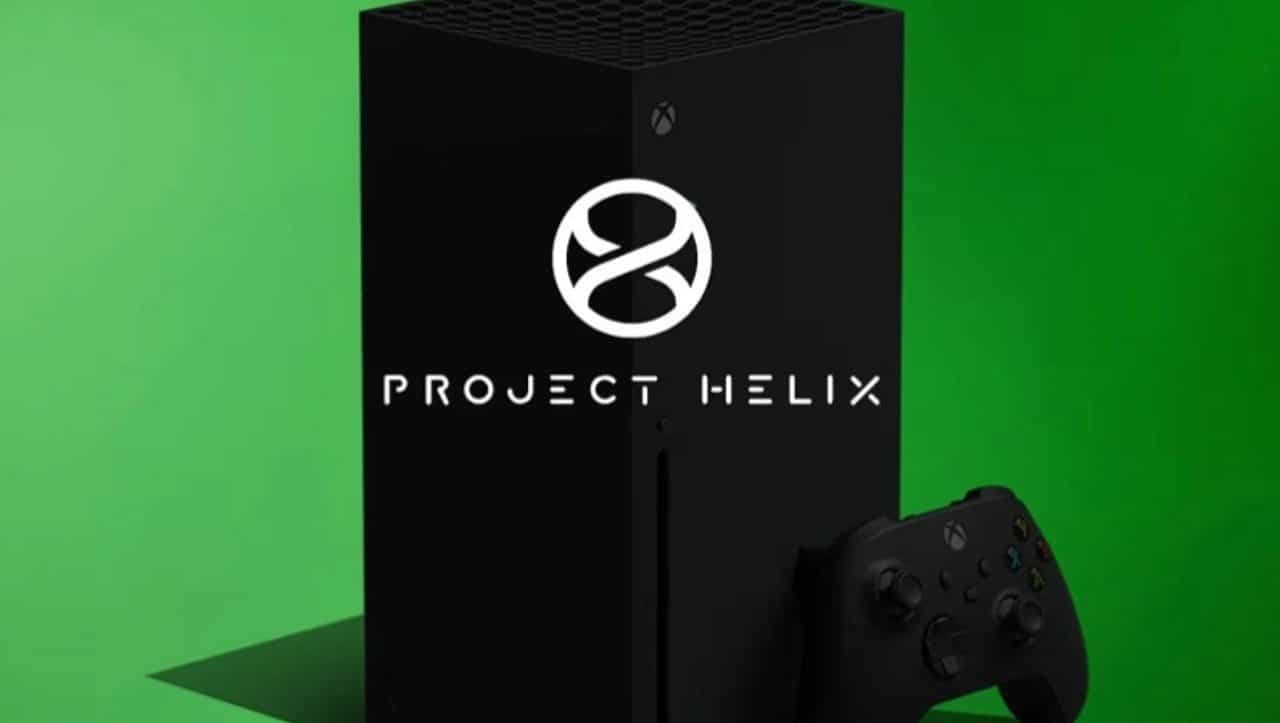
Microsoft advances the development of its next generation of hardware with an unprecedented approach to the video game market. The device internally goes by the codename Project Helix. The machine integrates complex features of desktop computers with the traditional and accessible structure of a living room console. The company’s core objective involves natively running titles designed for the Windows operating system and the Xbox ecosystem.
Essa change of route moves the North American manufacturer away from the closed model adopted by direct competitors over the last few decades. The company relies on an extremely robust processor to guarantee clear technical advantages. Analistas from the technology sector points out that the preliminary specifications exceed the numbers projected for the future PlayStation 6. The dispute between the brands defines the visual and processing standards for the next decade.

Hybrid Arquitetura brings new equipment closer to high-performance computers
The core component of Project Helix consists of a custom system-on-chip provided by partner AMD. The manufacturer uses the advanced three-nanometer lithography process to build the part. The total size of the silicon die exceeds the 400 square millimeter mark. Essa dimension represents the largest area ever recorded on a processor intended for a commercial home video game. The expanded physical capacity allows for the inclusion of billions of additional transistors.
The graphics processing unit is based on the new generation RDNA 5 architecture. The hardware houses around 68 active computing units to handle complex calculations. Esse volume easily exceeds leaked estimates for Sony equipment. Raw raster performance reaches levels comparable to a current RTX 5080 graphics card. The technological leap changes the public’s perception of graphic limits in living room systems.
The central processor combines cores from the Zen 6 line focused on high performance with smaller units aimed at continuous energy efficiency. The gain in ray tracing processing presents a significant evolution in relation to the Series X generation. The simulation of lights, reflections and shadows occurs in real time with photorealistic precision. The cost of producing the machine inevitably follows this unprecedented technical complexity.
Estratégia unified development simplifies studio routine
Structural integration between platforms aims to reduce the obstacles faced by programmers and digital artists during creation. A single executable file will work perfectly on the console, personal computers and the company’s cloud computing servers. Microsoft executives consider this standardization essential for the brand’s future financial sustainability. The measure eliminates the need for complex and expensive adaptations between different hardware.
The long-standing partnership with AMD guarantees access to advanced software image reconstruction tools. FSR Next technology uses deep machine learning to generate additional frames and increase the base screen resolution. The feature alleviates the workload on the system’s main processor. Virtual worlds gain impressive geometric density without compromising the fluidity of the frame rate per second.
Software backward compatibility remains a fundamental pillar of corporate strategy to retain loyal consumers. The new system supports legacy game libraries and incorporates the latest version of the DirectX programming interface. PC gamers and console users share the same code optimization benefits. The historical boundary between the two formats of interactive media consumption gradually disappears.
Sony maintains focus on software optimization for PlayStation 6
The Japanese manufacturer adopts a more conservative stance regarding the internal design of its next hardware. The PlayStation 6 prioritizes the thermal efficiency of the case and the strict cost balance of mass manufacturing. The device’s graphics unit also uses AMD’s RDNA 5 architecture. The number of computing units varies between 52 and 54 active processing blocks. The chip die measures approximately 280 square millimeters.
The Sony’s customized Zen 6 processor discards ultra-high-performance cores in favor of much lower energy consumption. The technical engineering goal focuses on stabilizing native 4K resolution with refresh rates set at 120 frames per second. The Asian company has not issued official statements about the specifications of its machine. Prolonged corporate silence fuels daily debates on specialized internet forums.
Especialistas in hardware architecture highlight that the difference in raw power on paper does not always result in visible advantages for the end consumer. Deep software optimization and unique rendering techniques easily compensate for the physical limitations of the smaller chip. Sony has a proven track record of extracting maximum performance from closed and controlled architectures. The brand’s internal studios develop graphics engines tailored to the specific console.
Market Previsões indicates increased costs and schedule for 2027
The engineering complexity of the Project Helix directly impacts the final value of the product on store shelves. Preliminary industry estimates suggest a launch price significantly in excess of $1,000. Alguns financial analysts project values close to 1,200 dollars in the international electronics market. The high amount represents a paradigm shift in the traditional business model of selling video games with subsidies. The consumer needs to carefully evaluate the cost-benefit of the hybrid platform.
The internal development schedule for Microsoft foresees the distribution of the first test units starting in the year 2027. Commercial launch on a global scale should occur in late 2027 or early in the first quarter of 2028. Instability in the global supply chain and shortages of electronic components could change these dates suddenly. The current hardware planning defines the following technical parameters for the new machine:
- Custom Processador with mixed architecture Zen 6 cores.
- Graphical Unidade based on RDNA 5 with 68 compute blocks.
- Dedicated neural Coprocessador for artificial intelligence tasks.
- Native and concurrent Suporte for Windows and Xbox catalogs.
- Distribuição of test kits scheduled for the 2027 cycle.
The global digital entertainment industry closely monitors the behind-the-scenes moves of the two technology giants. The final definition of retail prices and the availability of major exclusive games determine the long-term commercial success of each platform. The consumer market awaits practical gameplay demonstrations to validate the impressive numbers presented in the leaked technical reports. The accelerated evolution of silicon components dictates the pace of innovations in the interactivity sector.