New generation of iPhone 18 will have an inferior screen and chip with fewer cores to avoid price increases


The next generation of Apple smartphones will undergo significant technical adjustments to avoid passing on costs to the end consumer. The base model of the iPhone 18 will hit the market with screen and processing specifications lower than the manufacturer’s initial designs. The decision directly affects the development of the A20 chip and the device’s display panels. Analistas from the supply chain point out that the measure seeks to stabilize the company’s profit margin.
The global economic scenario and the crisis in the supply of semiconductors and memories forced the company to review its assembly strategy. The change in internal components aims to align the performance of the standard version with that of the future iPhone 18e, considered the brand’s entry-level device. Essa trade movement represents a change in the dynamics of annual updates. The Asian market is already registering the first adaptations in the production lines of partner factories.
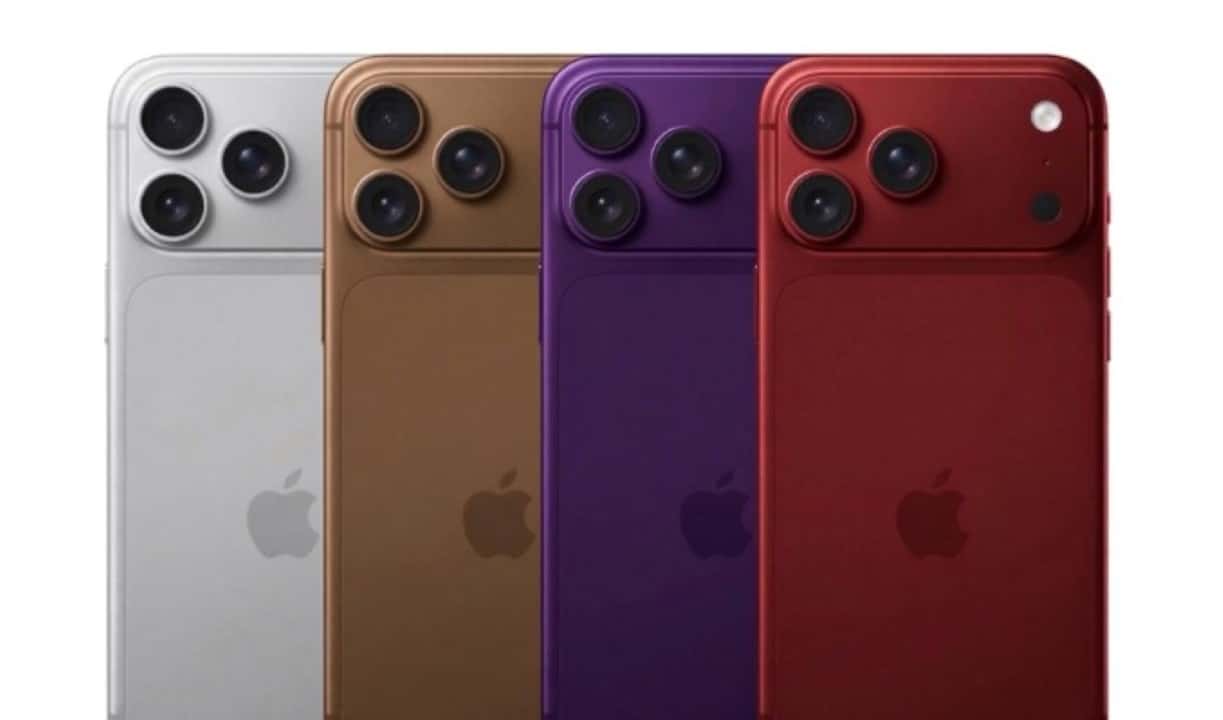
Mudanças in the manufacturing process affect display quality
The front panel of the new device will undergo a step back in its manufacturing technology compared to the previous line. Informações originadas de fornecedores asiáticos indicam que a qualidade geral da tela ficará abaixo do padrão estabelecido pelo iPhone 17. O pico de brilho máximo do visor aparece como o principal alvo dessa redução de custos. More demanding Usuários will be able to notice the difference in environments with strong sunlight.
Apesar due to budget restrictions, the manufacturer will maintain resources considered essential for the fluidity of the operating system. ProMotion technology will continue to be present in the device’s hardware. Esse system guarantees a variable refresh rate of up to 120 Hz, providing smooth interface transitions. The complete removal of this functionality would generate a very large technical gap compared to direct competitors operating in the Android ecosystem.
The company’s engineering works to ensure that the visual impact of these changes is as small as possible during everyday use. The balance between economies of scale and user experience sets the pace for decisions in Cupertino’s labs. The production of OLED screens requires massive investments in research and precision machinery. Cutting expenses in this specific area frees up capital for other structural innovations.
Configuração of the A20 processor focuses on financial efficiency
The smartphone’s processing core also reflects the technology giant’s new cost containment policy. The A20 chip will not present the leap in graphics performance initially projected by hardware engineers. The component architecture will suffer a reduction in the number of cores dedicated to Unidade from Processamento Gráfico. The configuration will go from five to four active cores.
Essa limitation brings the firepower of the standard model closer to the capabilities of the cheapest version in the portfolio. The company is trying to avoid repeating the strategy adopted at the launch of the iPhone 14. Naquela occasion, the manufacturer chose to reuse exactly the same processor as the previous generation, generating criticism from technology experts. The new format guarantees an unprecedented component, even with limitations imposed by software or hardware.
Semiconductor development faces a period of rising advanced lithography costs. Partner foundries charge increasingly higher prices for producing chips in smaller lithographs. The adaptation of the A20 allows us to maintain the launch schedule without exceeding the project budget. The overall performance will still surpass the A19 chip, ensuring natural evolution from the assembly line.
Commercial Estratégia brings standard model closer to entry version
The restructuring of internal components creates a new hierarchy within the brand’s product catalog. Sharing parts between different device categories drastically reduces research and development costs. Synchrony on the assembly line optimizes the purchase of inputs on a large scale. Suppliers are able to deliver larger batches with less technical variation.
The company’s current guidelines establish strict parameters for approving new hardware features in factories:
- Redução of the complexity in manufacturing display panels.
- Limitação in main processor graphics core count.
- Revisão of RAM memory module supply contracts.
- Padronização of internal parts with the brand’s entry line.
- Congelamento of the retail price for the final consumer.
The pressure exerted by the flash memory market directly influences long-term planning. Prices for these components fluctuate based on global demand for artificial intelligence servers. The smartphone manufacturer needs to absorb these variations without passing on the cost to the product label in stores. The adjustment in the quality of other sectors compensates for the increase in basic inputs.
The technical gap between the basic models and the Pro versions will become even more evident in this generation. The most expensive devices will continue to receive cutting-edge innovations and chips with maximum processing capacity. Essa clear division helps target consumers willing to pay more for premium technology. The standard model definitely assumes the role of sales volume device.
Alteração on the tech giant’s release calendar
The company’s traditional announcement schedule will undergo a significant overhaul to accommodate this new strategy. The launch of the iPhone 18 will not take place in the usual September window. The device is scheduled to hit shelves in the first half of 2027. The presentation event will take place simultaneously with the announcement of the iPhone 18e.
Essa unification of dates facilitates the logistics of global distribution of devices. Assembly centers at Ásia operate most efficiently when they produce devices with similar architectures in the same time frame. The engineering team has already started preliminary production tests of the Pro models, which follow an independent development flow. The assembly lines receive the first prototypes for calibrating industrial machinery.
The external design of the smartphone will maintain the visual identity consolidated by the previous generation. Aesthetic changes will be minimal, focusing all engineering efforts on readjusting the internal space. Chassis maintenance reduces the need for new cutting and molding tools at partner factories. The corporation’s absolute focus remains on the economic viability of the project in a highly competitive market.
The supply chain continues to monitor economic fluctuations that may alter final planning. Component purchase contracts are signed months in advance to guarantee the necessary volume. Stability in the final price of the product depends on the perfect execution of this parts acquisition logistics. The technology sector awaits the manufacturer’s next moves in structuring its Asian assembly line.