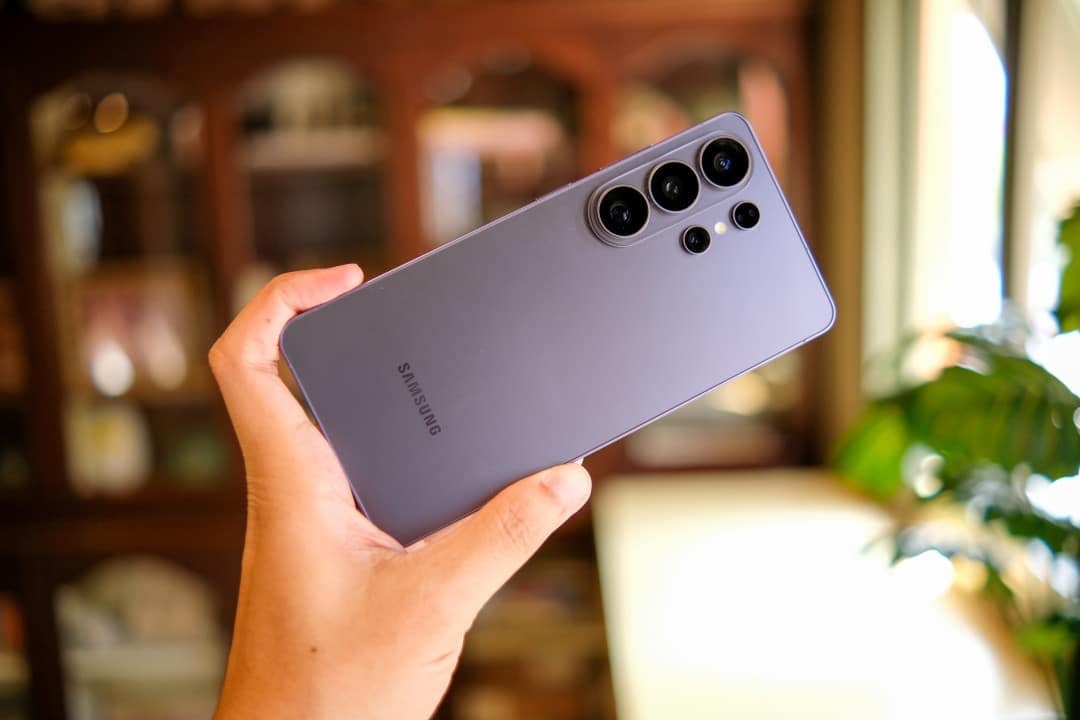
Samsung admits drop in Galaxy S26 Ultra resolution after including physical security barrier

Samsung confirmed that the privacy system integrated into the Galaxy S26 Ultra’s display causes a slight reduction in the device’s visual fidelity. The feature requires a physical change to the panel structure to block the side view. Usuários and experts noticed differences in sharpness compared to the previous generation. The hardware modification adds microscopic layers over the pixels.
The barrier affects the direct passage of light and changes the original definition of the images. The South Korean manufacturer issued a statement to align the expectations of the consumer market. The company prioritized data security in public environments during the development of the new top of the line. The technical fit differentiates the model from solutions based solely on dimming software.
Mudanças in panel engineering affect light emission
The design of the new smartphone required the implementation of an electronic shutter invisible to the naked eye. The technology acts directly on the liquid crystal and lighting layers of the display. The mechanism polarizes the light output in a restricted way. Apenas the person positioned exactly in front of the display can see the information clearly. The optical engineering of the component blocks the lateral refraction of light beams.
The subpixel matrix has undergone a complete reconfiguration compared to the Galaxy S25 Ultra. The previous model maintained even light dispersion to ensure accurate colors at any angle. The new structure concentrates the light beam on the central axis. Physical blocking reduces the total transmittance of the screen and requires more battery power to achieve high brightness levels. The structural change affects the display’s behavior in different ambient lighting conditions.
Especialistas during monitor calibration identified a residual grain size at the interface. The effect occurs even when the prying protection mode remains deactivated on the system. The component architecture differs from the traditional Dynamic AMOLED panels used by the brand over the years. The change marks a shift in the company’s design philosophy. The technical priority has shifted from absolute transparency to directional control of the image.
Impacto straight to maximum brightness and color fidelity
The variation in image quality becomes highlighted when the user operates the cell phone in direct sunlight. The refraction of light rays in the inner layers of the screen creates a perception of less clarity. The manufacturer argues that the visual impact does not compromise daily tasks such as reading texts and browsing social networks. The trained human eye notices the difference in the reproduction of dark tones and high contrast areas.
Professional use of the equipment requires adaptations by photographers and designers. Color calibration requires deactivating automatic brightness to deliver results close to reality. Processing via artificial intelligence attempts to compensate for physical losses through software algorithms. Laboratory tests still record measurable differences in contrast. The reproduction of the color spectrum suffers from a slight deviation in white temperature.


The company rules out the possibility of carrying out recalls or modifying the current assembly line. The hardware meets internal quality standards established for the premium category. The official recommendation advises the use of brightness at medium levels to avoid severe chromatic distortions. The commercial focus of the product focuses on protecting corporate information. The marketing strategy targets the device at executives who handle sensitive data on flights and shared spaces.
Especificações visual blocking techniques on the device
The introduction of the security barrier generates specific behaviors in the display’s operation. The system electronically turns off part of the available pixels when restricted mode comes into effect. Side dimming prevents third parties from reading bank details and emails in busy locations. The feature is activated instantly via a shortcut in the operating system control panel.
- Consumo superior energy to compensate for physical obstruction of light on the front panel.
- Redução of white tone consistency at slopes greater than 30 degrees.
- Manutenção of 120Hz variable refresh rate without loss of fluidity in navigation.
- Necessidade software adjustments to smooth out the grainy texture of the image.
The technical decision divides the opinion of the high-end public. The consumer must choose between absolute excellence in media consumption or advanced data protection. The evolution of the mobile device market indicates that recent innovations involve direct exchanges of functionality. The brand is betting on the resource’s acceptance by users who value discretion. The AMOLED display market watches the reception of the technology to define the next industry standards.
Atualizações software seeks to mitigate screen distortions
The engineering team works on firmware update packages to optimize component performance. The main objective involves improving dynamic tone mapping. The HDR adjustment attempts to compensate for less light passing through the modified physical structure. Text font rendering also receives attention to avoid shadows on light backgrounds. The image processor recalculates the brightness output according to the displayed content.
The operating system applies an automatic adjustment to color temperature based on ambient lighting. Dynamic calibration reduces the perception of angular distortions during prolonged use. The development of a second generation of the technology is already taking place in the company’s laboratories. The future challenge is to reduce the thickness of the privacy layer. The miniaturization of optical components requires new large-scale manufacturing processes.
The reduction in light diffraction represents the main physical obstacle for the next launches in the line. The optical phenomenon causes the loss of clarity reported by the smartphone’s first buyers. The admission of technical limitations works as a transparency strategy for the manufacturer. This stance avoids legal questions about product specifications at retail. The device establishes a new segment of devices focused on native hardware security.
Veja Tambem em Latest News (EN)

Heavy rain and storms hit 17 Indian states this Tuesday with warning from IMD

Claude down in global outage and Anthropic confirms errors in models

Typhoon No. 6 Chanmi approaches southern Kyushu and advances to eastern Japan

Seibu Lions have game canceled due to typhoon and schedule Kaima Taira for the 4th against Hanshin Tiger

Facebook whistleblower, Sarah Wynn-Williams, complies with Meta’s order and remains silent at event in the United Kingdom

Romantic comedies and mysteries arrive on Netflix in June with Office Passion and Oasis

Uruguay announces squad list for the 2026 World Cup with six Brazilian football players

When does the 2026 World Cup start? Date, time, first game and opening ceremony

Atlético-MG confirms agreement with defender Léo Duarte after period of prominence in Turkish football

Tiger shark bites 19-year-old girl and rips off her leg in Boa Viagem, Recife

2026 World Cup will have 32 athletes who play in Brazilian football