
Smart watches monitor heart rate to warn of spikes in daily stress


Wearable technology has transformed the way people track their health throughout the day. Current smart watches use advanced sensors to capture physiological signals continuously and silently. Esses small wrist devices can estimate the user’s voltage levels during routine. The system crosses heartbeat information with movement patterns. Data crossing occurs in real time.
The result provides a detailed overview of the overall physical state. Diversas brands offer reports divided into intensity scales. The classification indicates overload as low, moderate or high. Constant analysis allows the individual to identify moments of peak nervousness. Passive measurement works as a preventive alarm against chronic fatigue. Especialistas point out that the awareness generated by these numbers facilitates the adoption of simple changes in everyday life.
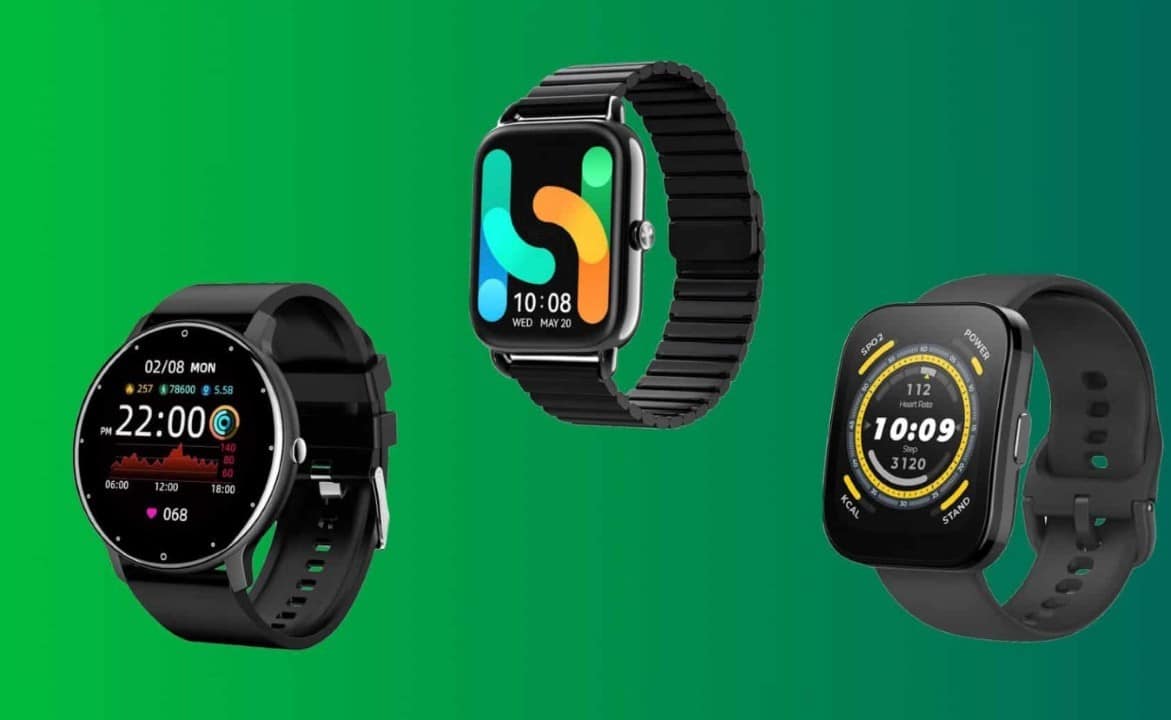
Leitura optics translates signals from the nervous system
The basis of this technology lies in reading heart rate variability. The devices emit green or infrared lights at the bottom of the box. The lighting passes through the superficial layers of the skin to detect blood flow in the vessels. The process generates an accurate estimate of the exact time between one beat and the next. Valores with high variability indicates that the body is relaxed and ready for adaptations. The body demonstrates recovery capacity.
The sympathetic nervous system takes control of physical reactions when the body faces pressure situations. Esse defense mechanism reduces time variations between heartbeats. The watch captures this rigidity in frequency and converts the data into an alert state. Passive measurement delivers more accurate results during rest periods. Intense Atividades require complex algorithms to separate muscular effort from psychological tension. The processor filters out motion interference.
Manufacturers calibrate systems to create a unique profile for each person. The software compares daily readings with the history accumulated over previous weeks. Fatores as age and fitness level influence base numbers. A professional athlete has completely different parameters than a sedentary worker. Personalization prevents incorrect notifications during business hours. Accuracy increases as the equipment is used continuously.
Impactos direct physical and mental monitoring
Daily monitoring reveals deep connections between the mind and the functioning of the body. Frequent stress affects sleep quality and compromises cellular recovery during the night. Fragmented rest generates a harmful cycle that increases nervousness levels in the early hours of the morning. Profissionais Health uses these digital records to supplement anxiety diagnoses. The history assists in clinical evaluation in offices. Doctors gain access to long-term data.
Continuous overloading of the nervous system harms the body’s natural defenses. Pessoas with chronic levels of alertness are more prone to viral and bacterial infections. The heart suffers severe impacts from maintaining this prolonged state of emergency. Blood pressure tends to rise. The risk of cardiovascular complications increases considerably in extreme wear scenarios. The technology acts in the primary prevention of diseases.
Modern systems group several indicators into morning reports to make it easier for users to understand. Esses summaries often highlight specific points of overnight recovery. The panels bring together essential metrics in a didactic way:
- Variações in respiratory rate captured during the night.
- Total Tempo spent in deep and restful sleep phases.
- Frequência average heart rate recorded during moments of inactivity.
- Nível of physical recovery after intense training sessions.
- Métricas blood oxygenation during rest cycles.
Clear visualization of these topics allows immediate adjustments to the routine. The user quickly understands whether they need more rest or whether they can perform intense activities. The application interface simplifies reading complex graphics. Visual interpretation helps you make daily decisions about your own health.
Barreiras technologies for capturing biometric data
Pulse sensors still face significant technical obstacles despite recent advances. Optical reading relies on light reflected from the skin to calculate blood flow. Pessoas with darker skin tones may experience variations in measurement accuracy. Tatuagens in the wrist region also partially blocks the passage of light beams. Technology companies invest in new algorithms to overcome these physical barriers. Continuous improvement seeks to democratize access to accurate data.
Outro point of attention involves the indirect nature of stress assessment. Watches cannot measure the concentration of cortisol in the blood. The hormone acts as the main chemical indicator of tension in the human body. The devices rely exclusively on cardiovascular reactions to deduce the individual’s emotional state. Essa limitation means that deep feelings of sadness may go unnoticed if they do not alter the heart rate. The analysis focuses only on visible physiological reflexes.
Movimentos sudden movements of the arms generate temporary noises during data capture. The software needs to rule out inconsistent readings caused by vibrations or band adjustments. The consistency of the information requires the user to use the device firmly and continuously. Retirar the clock for long periods breaks the data sequence. Interruption compromises the formation of the basal history. Uninterrupted use guarantees the effectiveness of the alert system.
Estratégias practices integrated into well-being applications
Identifying tension triggers represents just the initial step towards a balanced routine. Muitos smart watches offer active tools to reverse acute nervousness. Aplicativos native systems guide deep breathing exercises with gentle vibrations on the wrist. Essa simple practice activates the parasympathetic nervous system in a few minutes. The heart rate slows down almost immediately after the guided session begins. The resource works as an immediate escape valve.
Mudanças in eating habits reflect directly on weekly well-being graphs. Excessive caffeine consumption increases resting heart rate. The change confuses monitoring algorithms and generates false alarms. Adequate hydration helps stabilize physiological responses throughout the workday. Short outdoor Caminhadas also demonstrate efficacy in reducing prolonged alert rates. Reducing screen time before bed improves morning readiness scores.
Incorporating these short breaks into your professional routine transforms the user’s relationship with their daily work. Constant monitoring allows you to adjust deadlines before the body reaches the limit of exhaustion. Technology acts as a digital mirror of the body’s internal reactions. Intelligent use of this information promotes a sustainable lifestyle. Programas Healthcare companies are beginning to encourage the use of this data to improve the quality of life of employees. Daily prevention prevents long-term physical and mental exhaustion.





