
Toyota is considering launching a compact pickup truck based on the RAV4 to compete with the Ford Maverick in the market

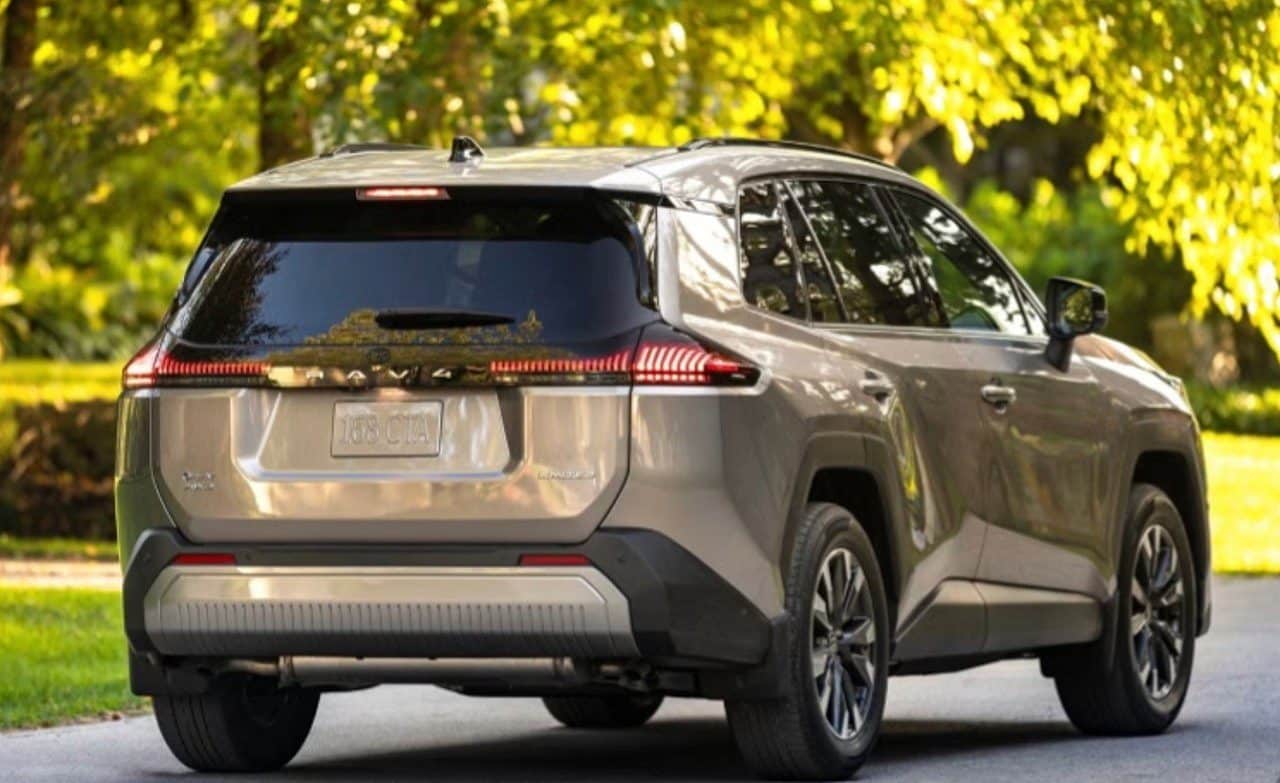
Japanese automaker Toyota is evaluating the development of a new compact pickup truck built on the basis of the RAV4 sports utility vehicle. The project aims to insert the company into a rapidly expanding segment, currently led by smaller models with a monobloc structure. The initiative emerges as a direct response to the commercial success of competing vehicles that opened this category in recent years.
The manufacturer’s North American division confirmed the existence of internal studies on the product’s viability. The brand’s Executivos addresses a growing demand from dealer networks for an affordable, lightweight commercial vehicle. The strategic move seeks to attract urban consumers who need a bed, but do without the exaggerated dimensions of traditional medium and large pickup trucks. The final decision depends on rigorous financial analysis.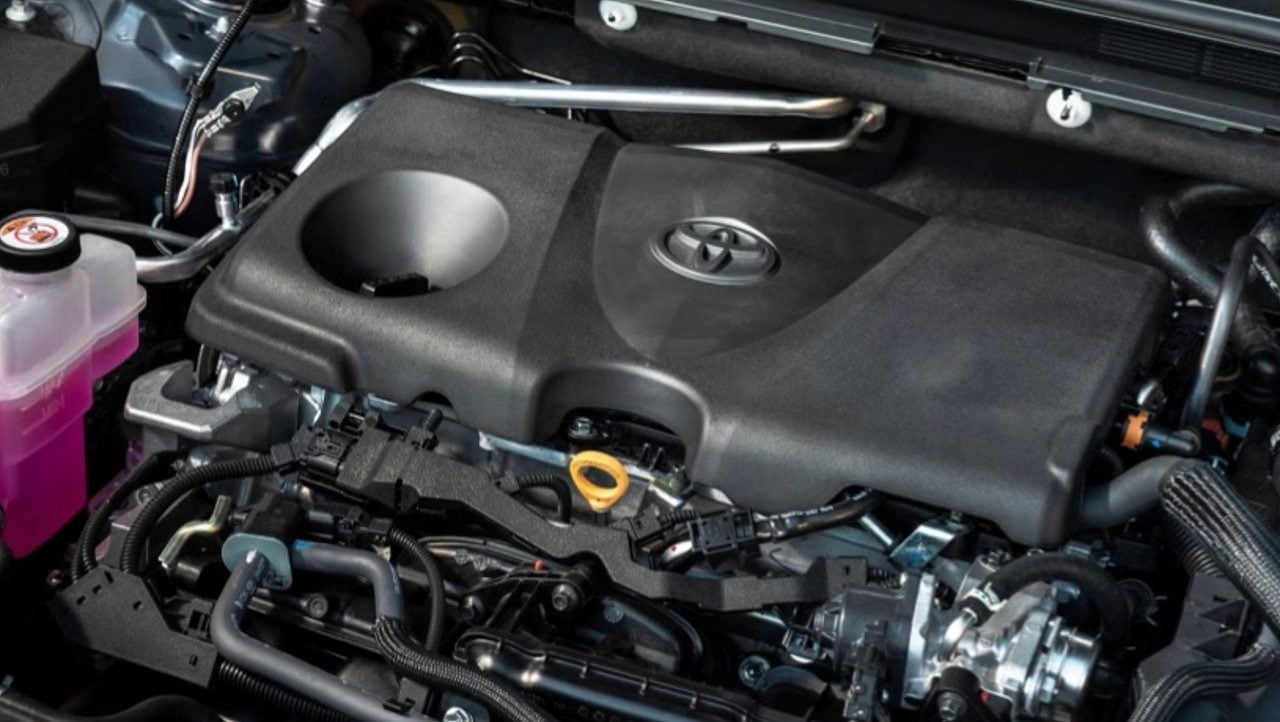
Arquitetura vehicle and adoption of hybrid powertrain
The technical basis chosen for the possible new model is the global TNGA-K platform. Esta structure already supports the brand’s high-volume sales vehicles, ensuring a significant reduction in research and development costs. Adopting a shared architecture allows engineering to optimize internal space. The comfort standard remains similar to that of passenger cars. Veículos built in this format exhibit superior dynamic behavior on asphalt.
Diferente of traditional medium pickup trucks, which use body on chassis, the project focuses on unibody construction. Essa technical choice eliminates excessive weight and improves the vehicle’s torsional rigidity. The direct result is smoother driving on urban roads and considerably lower fuel consumption. Analistas from the automotive sector point out that this feature attracts buyers who have never considered purchasing a pickup truck before in their lives.
In the mechanical aspect, the automaker plans to use its renowned hybrid system to drive the novelty. The powertrain inherited from the RAV4 delivers around 226 horsepower combined, combining a combustion engine with electric drives. Energy efficiency represents a crucial competitive differentiator in this niche market. Direct Concorrentes still rely heavily on pure combustion engines to achieve high levels of performance and load capacity.
Commercial Pressão and the impact of competition in the sector
The project’s progress is gaining momentum due to constant pressure from North American retailers. Dealers report daily loss of customers to rival brands that already offer compact pickup trucks in their catalogs. The absence of an entry-level product in Toyota’s utility lineup creates an important commercial gap. Consumers are looking for cheaper alternatives. Ease of parking in large urban centers has become a priority.
The overwhelming success of the Ford Maverick and Hyundai Santa Cruz validated the existence of a highly profitable market for urban pickup trucks. Esses models have proven that there is an audience willing to pay for versatility without giving up daily comfort. The Japanese automaker observes this scenario with extreme caution. The company recognizes the need to act quickly. The objective is not to lose market share in the long term.
- Utilização of the TNGA-K modular platform to reduce production costs.
- Implementação hybrid mechanical assembly with a focus on fuel efficiency.
- Construção in unibody design to guarantee sport utility vehicle handling.
- Posicionamento priced lower than the brand’s traditional mid-range models.
- Foco in urban consumers who practice sports and outdoor activities.
The consolidation of these technical guidelines depends on the final approval of the company’s executive board. The product planning department meticulously analyzes competitors’ sales data to define the ideal production volume. The financial viability of the project requires a global commercialization scale. The vehicle will need to reach markets beyond the América and Norte to justify the billion-dollar investments in the assembly lines.
Liderança in the mid-range segment and cannibalization risks
Toyota maintains an isolated leadership position in the mid-size pickup truck market with the Tacoma model. The truck has dominated Estados Unidos sales statistics for years, outperforming historical rivals by a wide margin. Essa commercial hegemony creates an internal dilemma for the automaker’s executives. Launching a smaller, cheaper vehicle carries the inherent risk of stealing customers from the brand itself at dealerships.
Especialistas in the automotive market considers that sales cannibalization is a legitimate concern, but completely manageable. The marketing strategy will need to position the new compact pickup truck very differently. The focus will be on a different buyer profile. The Tacoma caters to customers who require towing capacity and heavy off-road use. The RAV4-derived model would focus on light transportation and daily urban lifestyle.
Visual and equipment differentiation will be essential to separate the two products in store showrooms. Engineering works to purposely limit the load capacity of the smaller model, avoiding technical overlaps. The central objective is to attract new buyers to the brand. Transferring current customers to a vehicle with a lower profit margin would harm the company’s financial statements at the end of the fiscal year.
Ciclo development and release estimates
Apesar from the enthusiasm of sales networks, the automaker’s official schedule does not foresee an immediate launch. The executive director of the North American division clarified that the project is still in the technical and financial feasibility phase. The approval of a new vehicle requires overcoming several bureaucratic steps and rigorous engineering tests. The company adopts a conservative stance regarding the expansion of its global portfolio.
The standard development cycle in the automotive industry varies between five and seven years from initial concept approval. If the board authorizes practical work to begin this year, the final model would only hit the streets at the end of the decade. Using an existing platform and engines in production can significantly speed up this process. Market pressure acts as a catalyst to reduce automakers’ internal deadlines.
The final decision on the production of the compact pickup based on the RAV4 will involve a complex analysis of the global economic scenario. The automaker evaluates the costs of adapting the assembly lines and the capacity to supply batteries for the hybrid system. The automotive market awaits the Japanese manufacturer’s next moves. The brand’s entry has the potential to definitively reconfigure the competition in the urban light commercial vehicle segment.





