
Vaccination against COVID-19 reduces family transmission by 43%, study shows

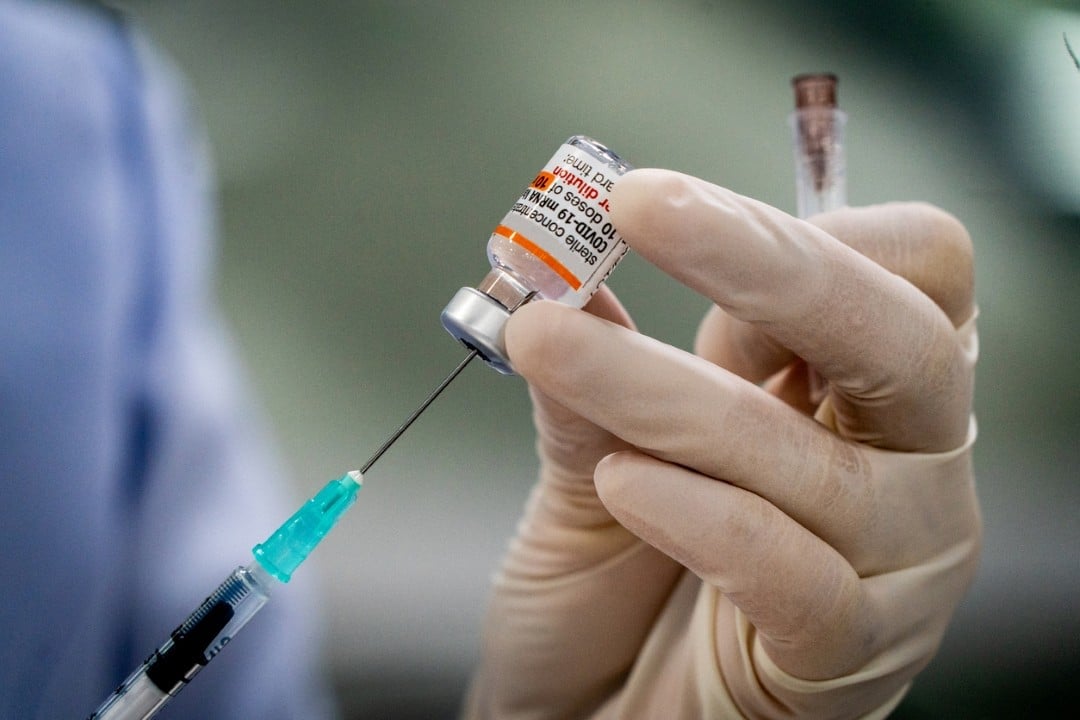
Pacientes vaccinated against COVID-19 in the last six months are 43% less likely to transmit the virus to family members than unvaccinated people, according to a study published in JAMA Network Open. The research followed 362 patients diagnosed with COVID-19 and around 760 household contacts between January and the end of January 2025, in American states such as Nova York, Tennessee and Washington. Dados collected reveals that while 62% of household contacts of infected people tested positive, protection was significantly greater when the patient had recently received the vaccine.
Pesquisadores identified that immunization probably reduces the amount of virus in the bodies of those vaccinated, making them less contagious. Segundo Amesh Adalja, doctor and researcher of Centro of Segurança of Saúde Johns Hopkins, people with lower viral levels release fewer particles when coughing or sneezing. The discovery reinforces an indirect benefit of vaccination: reducing the overall transmission of SARS-CoV-2 in the community.
Proteção decreases with time since immunization
The effectiveness of the vaccine against familial transmission does not remain stable indefinitely. Contatos households did not show a significant difference in risk when the infected person had been vaccinated seven months or more before diagnosis. Essa temporal reduction in protection against transmission suggests that the need for periodic boosters may be relevant to maintain preventive benefits.
Critérios selection and characterization of participants
The study included patients who tested positive for SARS-CoV-2 within six days of the onset of symptoms. Participantes vaccinated two weeks before the onset of symptoms were excluded from the analysis to avoid bias. The median age of patients was 35 years. Pesquisadores used a methodology that allowed contact tracing and monitoring of outcomes in a short period after home exposure.
Implicações for Public Health Policy
Autores from the study highlight that although individual benefits of vaccination vary depending on age and chronic medical conditions, immunization offers collective gains. Reduzir transmission decreases overall exposure to the virus and protects vulnerable populations who cannot be vaccinated. Vaccination against COVID-19 works as a community protection tool in addition to personal protection.
Principais research findings:
- Contatos households of vaccinated people were 43% less likely to test positive
- 62% of household contacts of unvaccinated people developed COVID-19
- Proteção against transmission disappears after seven months of vaccination
- Reduced viral Níveis in vaccinated people limits respiratory spread
- Estudo included 362 patients in three US states
Monitoramento global related outbreaks
Paralelamente to these results on family transmission, Organização Mundial of Saúde released updates on hantavirus outbreak on cruise ship. The WHO reduced the number of confirmed cases from 11 to 10 after reclassifying an inconclusive test that resulted negative. Oito cases have been confirmed and two are classified as probable. The Dutch ship MV Hondius served as a propagation environment for hantavirus strain Andes.
Autoridades health monitor more than 120 passengers disembarked on Tenerife, some in their home countries and others in transit. Vinte and seven crew members remained on board with Holanda expected to arrive. Tedros Adhanom Ghebreyesus, director-general of the WHO, warned that the hantavirus incubation period (up to six weeks) means that new cases could emerge in the coming days.
American Resposta to hantavirus outbreak
Centros of Controle and Prevenção of Doenças (CDC) USA reported that none of the 41 Americans under monitoring tested positive for hantavirus. Dezoito passengers remain in quarantine in biocontainment units, 18 in Unidade Nacional, Quarentena in Omaha, Nebraska, and others in Hospital, Universidade Emory in Atlanta. David Fitter, CDC incident manager, stressed that the assessment included passengers present on the ship during the period of spread and those on shared flights with infected people.
The monitoring strategy prioritizes rapid self-isolation and access to medical care. CDC evaluated each U.S. resident based on direct exposure on the ship or proximity on flights with symptomatic individuals. Foco remains committed to ensuring adequate health monitoring and containment of possible spread.




