
Apple announces new smartphone with transparent back and long-lasting battery on the global market

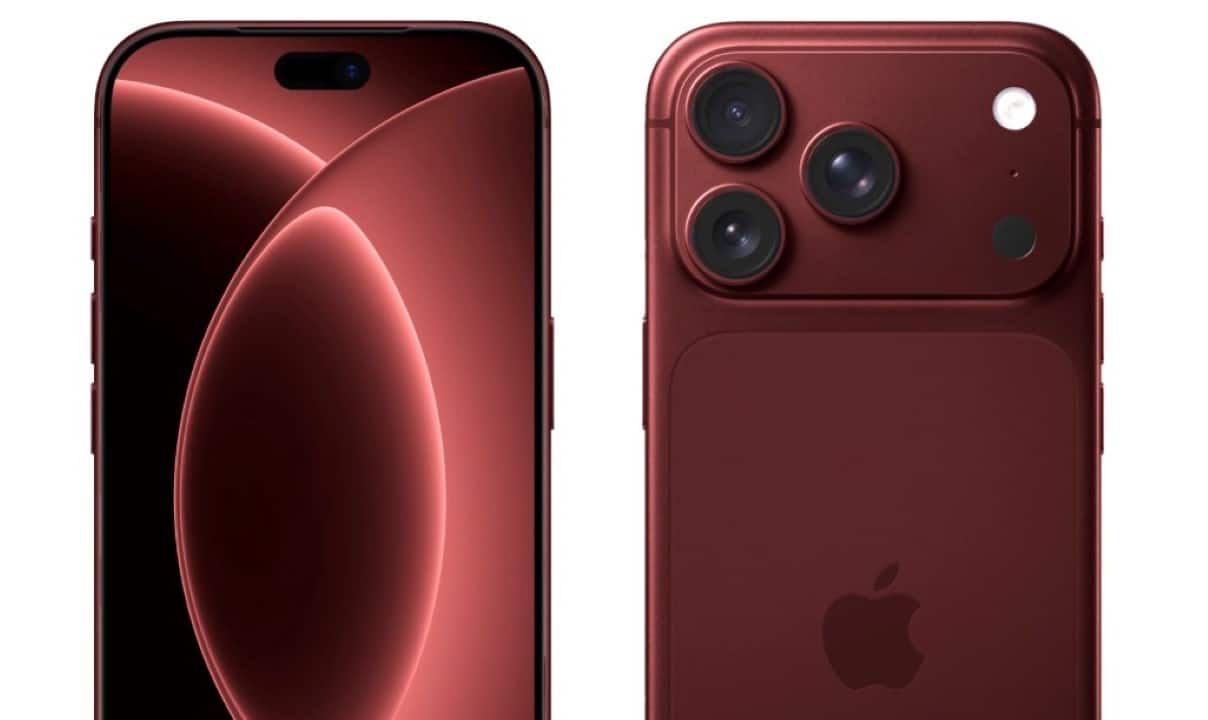
Apple presented a new mobile device aimed at the international market, characterized by a fully transparent back panel and increased energy capacity. The device introduces a visual change to the company’s assembly line, allowing direct visualization of internal hardware components. The main structure of the equipment uses aerospace-grade titanium in the chassis construction. Esse material replaces the traditional aluminum and stainless steel of previous generations.
Product development required adaptations to Asian production lines to accommodate the new assembly format. The decision to expose the logic board and the cooling system required a rigorous aesthetic finish for the internal parts, which are normally hidden under layers of metal or opaque glass. Analistas from the technology sector point out that the change seeks to attract consumers interested in industrial design. The global distribution of the device has already begun its primary logistics phase.
Innovative Design exposes the device’s internal components
The rear panel of the new smartphone is manufactured with high-resistance reinforced glass, subjected to chemical ion exchange processes to prevent scratches and breaks. The transparency of the material reveals the millimetric arrangement of the internal circuits. Users can look at the battery, camera modules, and ribbon cables that connect different sections of the motherboard. The company’s engineering team needed to redesign the visual organization of these elements.
The brushed titanium frame surrounds the entire side of the device. The use of this specific metal reduces the overall weight of the device compared to alloy steel while maintaining structural integrity against twisting and direct impacts. The titanium machining process requires specialized CNC cutting machinery, operating to extremely tight tolerances. The edges feature a slightly rounded profile to improve ergonomics during prolonged use.
Para ensure the durability of the transparent glass, the manufacturer applied an oleophobic coating that repels fingerprints and makes the surface easier to clean. Back panel assembly takes place in clean rooms with strict control of airborne particles. Qualquer speck of dust trapped between the glass and internal components would result in immediate rejection of the unit during quality inspection. The precision rate in gluing parts reaches rigorous industrial standards.
High capacity Bateria and new cooling system
The device’s power supply is managed by a 5200 mAh battery, a substantial increase over the brand’s previous models. The lithium-ion cell occupies most of the internal space visible through the rear glass. Essa extended capacity meets the demand for greater autonomy in processing-intensive tasks, such as recording high-resolution videos and running complex applications. The component supports fast cable charging and magnetic induction protocols.
The increased energy density and high-performance processor generate considerable thermal load during continuous operation. Para dissipate heat, the Apple has integrated a vapor chamber-based cooling system. The internal metal structure contains a special liquid that evaporates when it absorbs heat from the processor, moving to colder areas where it condenses and returns to a liquid state. Continuous cycling stabilizes the hardware temperature.
Thermal efficiency prevents the automatic reduction of processor speed, a phenomenon known as thermal throttling. The operating system monitors temperature sensors distributed across the logic board in real time. Power management dynamically directs electrical current, prioritizing the processing cores needed for each specific task. The integration between the software and the new physical cooling system extends battery life.
Especificações screen and advances in the photographic set
The device’s front interface is dominated by OLED panels that vary between 6.3 inches and 6.9 inches, depending on the version chosen by the consumer. The display technology offers adaptive refresh rates, adjusting the fluidity of the image according to the content played on the screen. The panel’s maximum brightness has been calibrated to ensure readability in direct sunlight. The edges around the display have been reduced to the minimum viable by current encapsulation technology.
The rear camera module received hardware updates focused on light capture and optical stabilization. Engineers repositioned the sensors to optimize the internal space and improve the visual symmetry of the transparent device. The photographic set presents specific technical characteristics for the high-end market:
- Sensores image magnification for better performance in low light environments.
- Lente telephoto with optical zoom capability without loss of native resolution.
- Botão physical side dedicated exclusively to control focus and shutter release.
The inclusion of the physical capture button brings the smartphone usage experience closer to that of dedicated cameras. The component has pressure sensitivity, allowing a light touch to lock focus and exposure, while a full press records the image. The surface of the button integrates a capacitive sensor that recognizes swiping gestures. The user can adjust the zoom level or switch between shooting modes by sliding their finger over the part.
Produção mass and global distribution strategy
Apple’s partner factories operate at full capacity to meet the international launch schedule. The assembly lines use high-precision robotic arms to position the logic board and 5200 mAh battery inside the titanium chassis. The automation process reduces the margin for human error when handling sensitive components. Inspetores technicians supervise the final stages of hermetic closing of the device.
Quality control employs computer vision systems equipped with artificial intelligence to examine each finished unit. High-resolution cameras scan the transparent glass for microcracks or millimetric misalignments. The titanium chassis undergoes mechanical stress testing and communication antenna integrity verification. Approved devices go to the automated packaging area.
Global distribution logistics involves chartering cargo aircraft that transport batches from Asian factories to regional distribution centers. Inventories are directed to physical stores and e-commerce warehouses in América from Norte, Europa and Ásia. Supply chain planning aims to ensure immediate availability of the product on the shelves on the official launch day. The land transport flow moves the units to the final points of sale.




