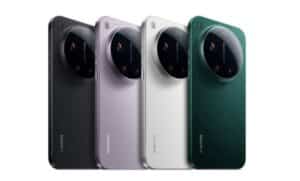
Apple presents a 5.5 mm thick cell phone with a screen reinforced by liquid glass

Apple officially introduced a new smartphone focused on extreme thickness and unprecedented materials in the mobile device industry. The device hits the market with a profile of just 5.5 millimeters. The manufacturer had to reformulate the entire internal architecture to reach this mark without compromising the overall performance of the equipment. The company’s Engenheiros have developed specific miniaturization solutions. The launch marks a clear change in the premium line’s design philosophy.
The company’s move responds to market demand for lighter and more ergonomic equipment. The chassis construction utilizes an aerospace-grade titanium alloy. Esse material guarantees the structural rigidity necessary for such a thin device. Especialistas in hardware point out that reducing measurements usually sacrifices energy capacity. The brand got around the physical problem with new charge storage and thermal dissipation technologies.
Internal Engenharia adopts compact boards and dense batteries
The interior of the smartphone houses a motherboard based on substrate-like printed circuit technology. Esse manufacturing standard allows you to stack circuits much more efficiently than traditional methods. Reducing the space occupied by the main board freed up useful area inside the titanium housing. Componentes vitals were repositioned to the millimeter. Assembly requires advanced robotic precision in factories.
Energy management received special attention during project development. Conventional Bateriass would not fit into a 5.5mm space with the capacity needed for a full day of use. The solution found involved the use of high-density cells. The active material stores more electrons per cubic centimeter. The device’s autonomy remains in line with previous thicker generations.
Aerospace-grade titanium acts as the main skeleton of the device. Common metal Ligas could easily bend under daily pressure. The use of titanium solves the issue of mechanical durability. The external finish receives a treatment that prevents fingerprints and superficial scratches. The metal texture also improves grip in the user’s hands during prolonged handling.
Liquid Vidro offers superior impact resistance
The device’s screen introduces liquid glass technology into the brand’s production line. The material replaces the ceramic protections used in previous years. The molecular composition of the new glass absorbs impacts more efficiently. Laboratory Testes indicate superior tolerance to accidental drops onto hard surfaces. The surface also features native anti-reflective properties.
Viewing content outdoors gains quality by reducing reflected glare. The OLED panel works with a refresh rate of 120 frames per second. Image transitions occur fluidly when navigating menus and applications. The power consumption of the display is dynamically adjusted by the system. The screen reduces the refresh rate when displaying still images.
The liquid glass manufacturing process involves controlled cooling and specific chemical treatments. The protective layer merges perfectly with the titanium structure. The edges of the device feature a smooth transition between the metal and the screen. Front design maximizes usable viewing area. Sensores biometrics operate through this new glass barrier without loss of reading speed or accuracy.
Câmeras periscopics eliminate relief on the rear
The camera module has undergone a complete physical restructuring to adapt to the ultra-slim profile. The manufacturer eliminated the traditional rear relief that had been present on premium smartphones for several generations. The back panel is now completely flat. The company used a horizontally folded lens system. The periscopic shape directs light to a sensor positioned laterally within the metal chassis.



Eliminating the protrusion resolves a long-standing consumer complaint about the device’s instability on tables. Horizontal lenses maintain optical zoom capability without requiring physical thickness. The photographic set captures images with high color fidelity and contrast. Algoritmos image processing works in conjunction with the lens to correct distortions. Autofocus operates in fractions of a second.
Cooling such thin equipment required the creation of a highly efficient passive thermal system. The Apple incorporated a high thermal conductivity graphene sheet. The material spreads the heat generated by the processor across the entire length of the housing. An ultra-low profile vapor chamber completes the system. The liquid inside continually evaporates and condenses to move heat away from critical components.
Local Processamento ensures privacy in smart functions
The smartphone’s brain includes a neural processor dedicated exclusively to artificial intelligence tasks. The chip’s architecture allows it to run complex language models and algorithms directly on the hardware. Local processing eliminates the need to send personal data to cloud servers. User privacy gains an extra layer of physical protection. The data remains isolated on the device.
Smart functions operate even without an internet connection. Voice recognition, automated photo editing and real-time translation happen instantly. The neural chip shares the workload with the central processing unit. The system’s energy efficiency prevents overheating during heavy tasks. Thermal management works in sync with the processor.
The integration between hardware and software defines the functioning of the innovations presented. The operating system has been optimized to extract maximum performance from the new board and neural processor. The list of technical specifications confirms the structural changes to the project:
- Chassi made from aerospace titanium alloy with a total thickness of 5.5 millimeters.
- Placa compact motherboard with printed circuit technology to optimize internal space.
- Painel front covered with liquid glass resistant to scratches and direct impacts.
- Dual cooling Sistema with graphene sheet and ultra-low vapor chamber.
- Módulo periscopic camera that guarantees a completely flat and stable rear.
- Dedicated neural Processador for executing artificial intelligence without using the internet.
The set of innovations sets a new building standard for the mobile technology industry. The miniaturization of critical components proves that it is possible to reduce dimensions without compromising essential functionalities. The combination of titanium, liquid glass and dense batteries dictates the direction of the sector’s next launches. The smartphone market follows the transition to increasingly thinner and more energy-efficient formats.
Veja Tambem em Latest News (EN)

Corinthians guarantees millionaire transfer from FIFA with Memphis Depay’s call-up for the World Cup

New Xiaomi 17T and 17T Pro line hits the market with 50 MP Leica camera and 7,000 mAh battery

LG Electronics rejects rumors about selling television unit to Chinese Hisense

Anthropic Launches Claude Opus 4.8 Model with Thought Control, Plans Public Listing

Apple plans launch of the new iPhone 18 line for 2026 with the development of the unprecedented Ultra foldable model

One Piece manga introduces warrior Douzan and details historical combat against Imu in chapter 1,183
Corinthians will receive daily compensation from FIFA for Memphis Depay at the 2026 World Cup

Portugal advances with the European Union’s first reusable spaceport in the Azores; ESA plans landing in 2028

Samsung One UI 9 requires PIN to turn off Galaxy, strengthening security against theft

Fluminense stipulates R$60 million to negotiate Canobbio with River Plate

Toyota dominates Rally Japan 2026 with 4 cars at the top; Evans secures isolated lead on day one