
Google prepares to launch the Fitbit Air bracelet without a screen to compete with Whoop in the market

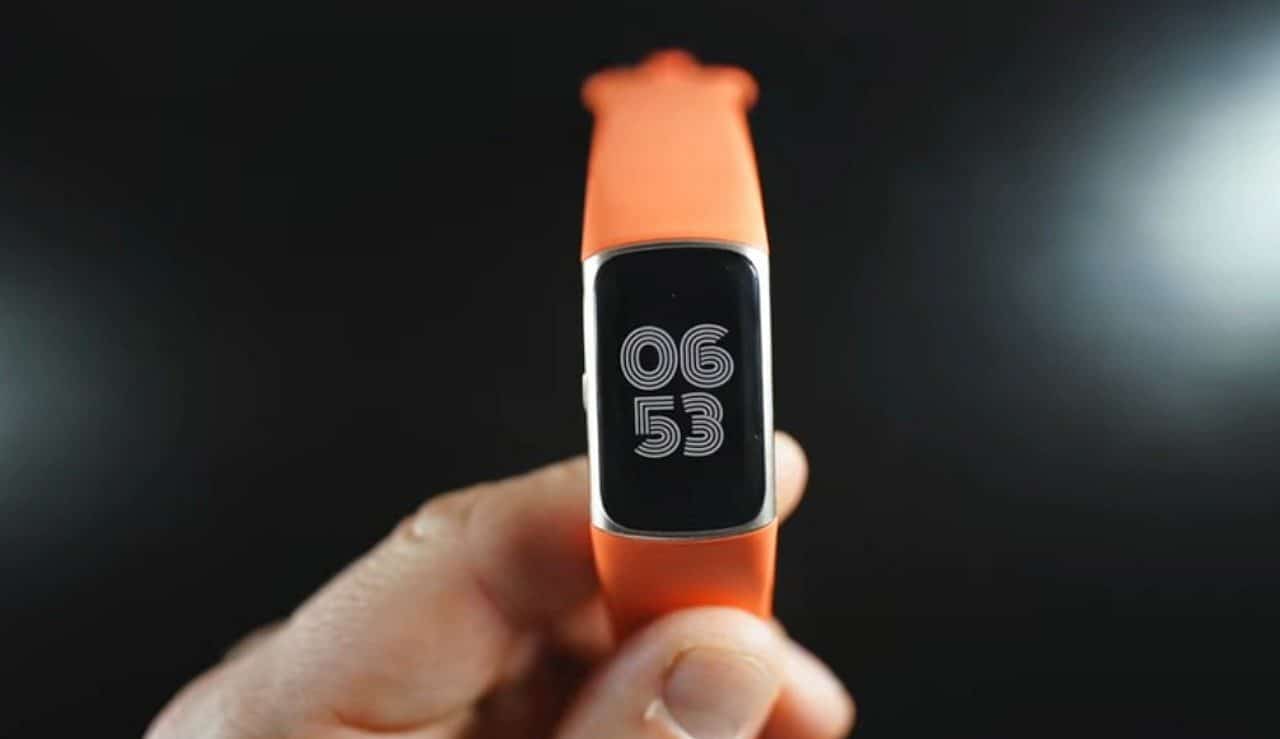
Technology giant Google finalizes preparations to introduce a new device aimed at passive physical monitoring. The equipment is called Fitbit Air and adopts a minimalist approach by completely eliminating the visual display. The product focuses on the continuous collection of body metrics, such as sleep quality, physical recovery levels and daily activities. The proposal targets a specific segment of consumers who seek to monitor vital statistics without the constant distractions of notifications present on traditional smart watches.
The initiative puts the company on a direct collision course with brands already established in this niche, especially Whoop. The development of the accessory reflects a change in the company’s hardware strategy for the year 2026. The focus is on offering a prolonged user experience, based on the lightness of materials and deep integration with data analysis algorithms. The information collected by the sensor operates in the background and feeds a dedicated app on users’ smartphones.

Estrutura physics prioritizes lightweight materials and varied color options
The engineering project prioritizes ergonomics. The objective is to allow uninterrupted use throughout days and nights. Imagens Preliminaries of the equipment reveal a band constructed with adjustable fabric, designed to minimize friction with the skin during sudden movements. The main module has reduced dimensions. Ele houses the biometric sensors and fits discreetly on the wrist. Detalhes in shades of gray and orange make up the visual finish of the centerpiece.
The manufacturer plans to make the accessory available in different aesthetic configurations right at the time of its retail debut. The initial catalogs point to three main shades being offered. The colors are commercially identified as Obsidian, Lavender and Berry. The variety of interchangeable bracelets allows the item to be customized according to the consumer’s preference. The selection of fabrics and polymers underwent rigorous durability tests. Materials need to resist sweat and continuous use in varied environments.
The absence of a glass or acrylic screen significantly reduces the overall weight of the set. Essa technical feature meets a growing demand from athletes and wellness enthusiasts. Muitos users find conventional smartwatches uncomfortable during the night’s rest period. The band format ensures that sleep monitoring occurs without mechanical interruptions or physical discomfort.
Commercial Estratégia separates hardware sales from digital services
The company’s internal schedule points to May 16, 2026 as the likely date for the start of official sales. The product’s market positioning relies on an aggressive entry value to attract a broad customer base. The suggested price for the end consumer should be below the US$100 mark on the international market. Esse financial level makes the equipment more accessible. Ele gains a competitive advantage when compared to the premium devices that dominate today’s shelves.
The pricing policy adopts a business model that decouples the cost of the device from advanced software features. The customer purchases the physical bracelet for a fixed price. Posteriormente, he decides whether he wants to invest in in-depth analysis. The basic step counting and simple sleep tracking functions remain free in the standard app.
The new device’s feature package includes specific features for passive monitoring:
- Módulo of compact sensors without luminous interface.
- Pulseira made from highly resistant breathable fabric.
- Bateria optimized for continuous operation over several days.
- Sincronização automatic data via wireless connection.
- Quick-change Sistema for replacing colored bands.
Purchasing monthly or annual plans gives you access to detailed reports and personalized guidance. Essa revenue split follows an established trend in the wearable technology sector. Recurrent subscriptions guarantee financing for continuous algorithm updates and cloud server maintenance.
Health Plataforma undergoes reformulation and gains intelligence features
The launch of the hardware coincides with a profound restructuring of the digital services offered by the company. The traditional Fitbit Premium signature will undergo a rebranding process. The service will adopt the nomenclature Google Health. The change seeks to unify the company’s application ecosystem under a single identity that is more recognizable to the general public. The transition affects millions of active users who already use the platform to manage daily exercise routines.
The main new feature of the paid package involves the implementation of a virtual assistant based on artificial intelligence. The system is named Google Health Coach. The tool is in the final phase of public testing and changes the way in which biometric data is interacted with. The software analyzes activity history, cross-references information about the quality of rest and generates dynamic training plans. The algorithm adjusts physical effort recommendations in real time. The change depends on the level of fatigue detected by the bracelet’s sensors.
Subscribers to the redesigned service will be able to interact with the assistant through in-app text commands. The system answers specific questions about health trends. Ele also suggests changes to your routine to optimize muscle recovery. The company ensures that data integration respects the privacy protocols established by regulatory bodies. The technical separation of sensitive information remains active on the servers.
Power Autonomia Drives Adoption of Invisible Displays
The growth of the screenless tracker market reflects a shift in technology consumer behavior. Deleting the display eliminates the most power-consuming component in portable devices. The new equipment in the Air line can operate for long periods without the need for frequent recharging. Energy efficiency allows for short trips or intense weeks of training without the use of cables or power bases.
Competition in this segment requires absolute precision in data collection. The user does not see the information instantly, depending on the reliability of later synchronization. Marcas competitors, such as Garmin, also explore similar formats to serve high-performance athletes. The competitive advantage of the new product lies in the vast base of users already familiar with the original application. Native integration with the Android operating system also makes initial configuration easier.
Continuous monitoring of stress and heart rate variability gains accuracy. Isso occurs because the device remains on the wrist 24 hours a day, without breaks for daily charging. The proposal for an almost invisible accessory serves professional athletes and individuals focused on improving their quality of life. The arrival of the equipment in stores will set the new standard for competition in the connected health sector.





