
Manufacturer reveals premium smartphone with translucent back panel, advanced chip and 5,200 mAh battery

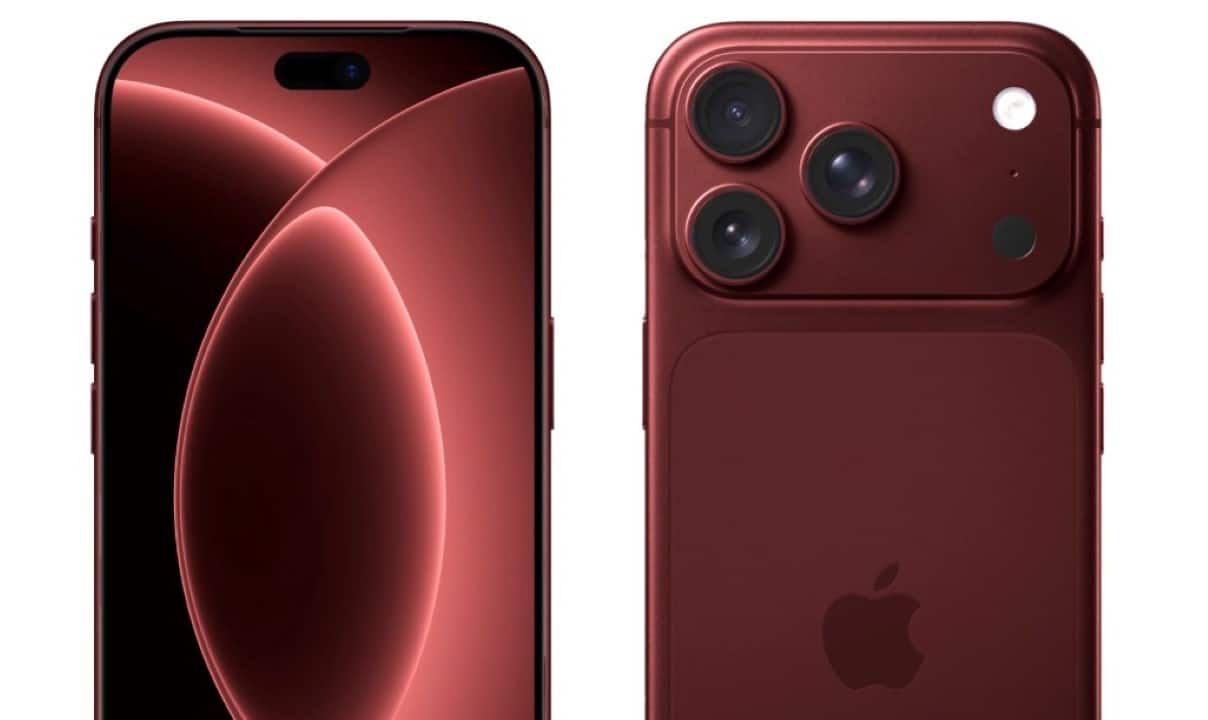
Apple confirmed the launch of the iPhone 18 Pro for the month of September. The mobile device hits the global market with an unprecedented visual proposal based on a completely transparent rear panel. The structure exposes the internal components of the device. The model has a 5,200 mAh capacity battery. The manufacturer used aerospace-grade titanium in the construction of the main chassis.
The aesthetic change reflects the company’s attempt to differentiate its products in the mobile technology sector. Reinforced glass protects the pieces. The integration of new materials meets consumer demand for visual innovation. Especialistas from the telephone market believe that the design consolidates the brand’s positioning in the luxury segment. The assembly lines at Ásia have already started calibrating equipment for large-scale production.
Engenharia of translucent glass and liquid sealing system
The development of the transparent back required the creation of glass subjected to specific chemical treatments. The industrial process prevents the material from yellowing over years of use. Visual clarity remains intact even when the phone receives constant direct sunlight. The union of the metal frame with the glass surface depends on an exclusive adhesive. The component blocks water and dust from entering electronic circuits. The device has achieved the maximum protection certifications in the electronics industry.
Transparency turns the motherboard into an active design element. The engineering team rearranged the internal cable layout to create a symmetrical appearance. The connectors and microchips gained precise alignment within the titanium casing. The exposed industrial aesthetic demands a superior level of finish on pieces that are normally hidden. The project required months of testing in mechanical resistance laboratories. The final structure withstands external pressures without compromising the integrity of the main seal.
The back panel manufacturing process takes place in partner facilities on the Asian continent. Factories needed to adapt their production conveyors to handle the new type of reinforced glass. Quality control uses optical sensors to detect any imperfections in the translucent surface before final assembly. The accuracy rate in applying the insulating adhesive determines the effectiveness of liquid protection. Rigor in the assembly line prevents failures in the isolation of sensitive components.
Processamento data and local algorithm execution
The operating core of the smartphone works with a processor made from 2 nanometer lithography. The technology represents a milestone in the miniaturization of commercial transistors. The microscopic architecture groups billions of semiconductors into an extremely small physical area. The gain in energy efficiency accompanies the increase in the chip’s calculation capacity. The progress is significant. The component has dedicated cores to run artificial intelligence algorithms locally. The system eliminates the need for continuous connection to cloud servers.
Random access memory reached the 12 GB mark in this new generation. The memory volume supports the execution of complex language models in the background. The user can operate simultaneous voice translation tools without slowdowns in the operating system. Editing long texts occurs fluidly and immediately. Switching between heavy applications does not cause graphical interface crashes. The hardware works in sync with the software to optimize battery consumption.
Recording high-resolution videos is demanding on the graphics processing unit. The chip manages the data flow from the cameras while applying image corrections in real time. The use of electronic games with advanced graphics also benefits from the new 2 nanometer architecture. The frames per second rate remains stable during prolonged gameplay. Intelligent power management directs battery charge to only the cores needed for each specific task.
Thermal Controle with heat conductive materials
Installing a 5,200 mAh battery in the same physical space created temperature challenges. The heat emitted by the processor needed a quick escape route. Inefficient dissipation could damage the rear glass or compromise neighboring circuits. The manufacturer’s engineering completely redesigned the device’s internal cooling system. The solution adopted unprecedented conductive materials in the cell phone production line. Thermal control ensures maximum equipment performance.
The new temperature control mechanism operates on multiple dissipation fronts. The internal structure uses physical components to move heat away from the main board. Changes to the internal architecture include the following technical elements:
- Placas made of high-density graphene absorbs heat from the processor immediately.
- The vapor chamber system distributes the temperature evenly throughout the metal frame.
- The motherboard features a redesign focused on air circulation between the semiconductors.
- Ligas special metals protect the power cell from overheating during fast charging.
The user does not feel thermal discomfort when holding the device during heavy tasks. Silent dissipation prevents premature lithium-ion battery degradation. Equipment lifespan increases by maintaining adequate operating temperatures. The cooling system acts passively, without the need for mechanical fans. Graphene’s efficiency surpasses traditional cooling methods based solely on copper or aluminum. Heat dissipates through the titanium edges of the chassis.
Mecanismo photographic and satellite network communication
The device’s main camera introduces a variable aperture mechanism in the lens. The system physically adjusts the light input to the photographic sensor according to the ambient lighting. The operation is similar to the equipment used by professional photographers in studios. The technology improves depth of field in portraits of people and animals. Background blur occurs naturally, without relying exclusively on software tricks. Night photographs gain greater clarity in dark places.
The image signal processor applies color correction filters at the exact moment of the click. Visual noise decreases considerably in low-light environments. The device’s communications infrastructure supports robust satellite connections in remote areas. The user can make short voice calls outside the coverage area of traditional operators. Sending compressed multimedia files also works over the space network. Technology increases safety in emergency situations.
The smartphone definitively eliminates the physical tray for telephone chips. The model exclusively adopts virtual lines technology to connect with operators. Removing the compartment freed up valuable internal space for expanding the battery and cooling system. The simultaneous launch in several countries aims to meet the initial demand of the consumer market. The commercial strategy seeks to consolidate the brand’s position at the top of the global technology segment.





