
Researchers map the structure of the Lujo virus to contain possible high-lethal outbreaks

The international scientific community continues to monitor the Lujo virus to anticipate responses to possible health emergencies. The pathogen recorded a fatality rate of 80% during an outbreak documented in 2008. The infection affected five people in the southern region of the African continent. Quatro patients died as a result of severe systemic complications. The unique episode mobilizes experts in viral hemorrhagic fevers to this day. High security Laboratórios seek to understand the mechanisms of cellular invasion to develop effective treatments.
The microorganism is part of the arenavirus family. The official nomenclature derives from the combination of the initial syllables of the cities of Lusaka, into Zâmbia, and Johannesburgo, into África of Sul. The primary chain of transmission occurred from contact between a human being and a wild animal host. The subsequent contagion occurred restricted to healthcare settings. Profissionais health workers ended up exposed to the body fluids of those infected during emergency procedures. The dynamics of spread raised alerts about safety in hospitals.
Rastreamento from patient zero and clinical progression
The first record of the disease occurred in a 36-year-old travel agent. The woman lived in the peripheral areas of Lusaka. The initial clinical signs appeared mildly shortly before a scheduled trip to South African territory. The health condition deteriorated rapidly after the patient returned to Zâmbia. Local medical teams initially treated the condition as a bad flu or a severe case of food poisoning. Diagnostic inaccuracy in the early stages made preventive isolation difficult.
The lack of improvement led to the patient’s air transfer to a reference medical center in Johannesburgo. The woman did not resist the progression of the infection and died 13 days after the first symptoms appeared. A paramedic responsible for primary care at Lusaka developed the same symptoms shortly thereafter. Ele needed hospitalization in the same South African hospital unit and also died. A nurse involved in direct care during air transport was the third fatal victim of the pathogen.
Health authorities were slow to classify the event as a viral hemorrhagic fever. The delay in accurately identifying the disease prevented the immediate adoption of rigorous biological control protocols. The hospital environment has become the main vector of secondary spread. Containment measures were only reinforced after the notification of multiple cases among health unit workers. The strict isolation of medical wards prevented a wider community contagion scenario.
Dinâmica of contagion and hospital transmission chain
The virus found ways to infect two other people within the medical facilities in Johannesburgo. An employee of the cleaning team contracted the disease after cleaning the space where the first patient received intensive treatment. Outra nurse responsible for the care of one of the secondary infected also tested positive for the pathogen. Esta last healthcare worker became the only survivor of the outbreak. The medical team administered broad-spectrum antiviral drugs after recognizing the epidemiological pattern.
The final survey by health agencies consolidated five positive laboratory-confirmed diagnoses. The proportion of four deaths established the high lethality rate of the microorganism. Spread between humans depended on direct contact with contaminated bodily fluids. The viral load reached critical levels in the terminal stages of the disease. Essa specific feature limited the expansion of the outbreak outside the hospital walls.
- The initial patient traveled between Zâmbia and África of Sul with developing symptoms.
- The air transport paramedic and nurse died after direct exposure without adequate protection.
- A hospital cleaning employee contracted the pathogen in the hospital environment.
- The second infected nurse survived using intensive antiviral therapy.
- The epidemiological blockade worked and prevented the registration of cases in the external community.
The narrower contagion window made the work of health surveillance teams easier at the time. Tracing and isolation of close contacts occurred in time to break the chain of transmission. Especialistas point out that the absence of efficient respiratory dissemination reduced the pandemic potential of the episode. The successful control served as a model for the management of biological crises in healthcare infrastructures on the African continent.



Manifestação of symptoms and evolution of the condition
The incubation period for the microorganism varies between seven and 13 days after initial exposure. Patients experience high fever, severe headaches and generalized muscle discomfort in the first few days. The next phase brings an abrupt systemic worsening. The condition progresses to skin rashes, severe swelling in the face and neck region, diarrhea and sore throat. Algumas people report a temporary improvement before vital organs collapse.
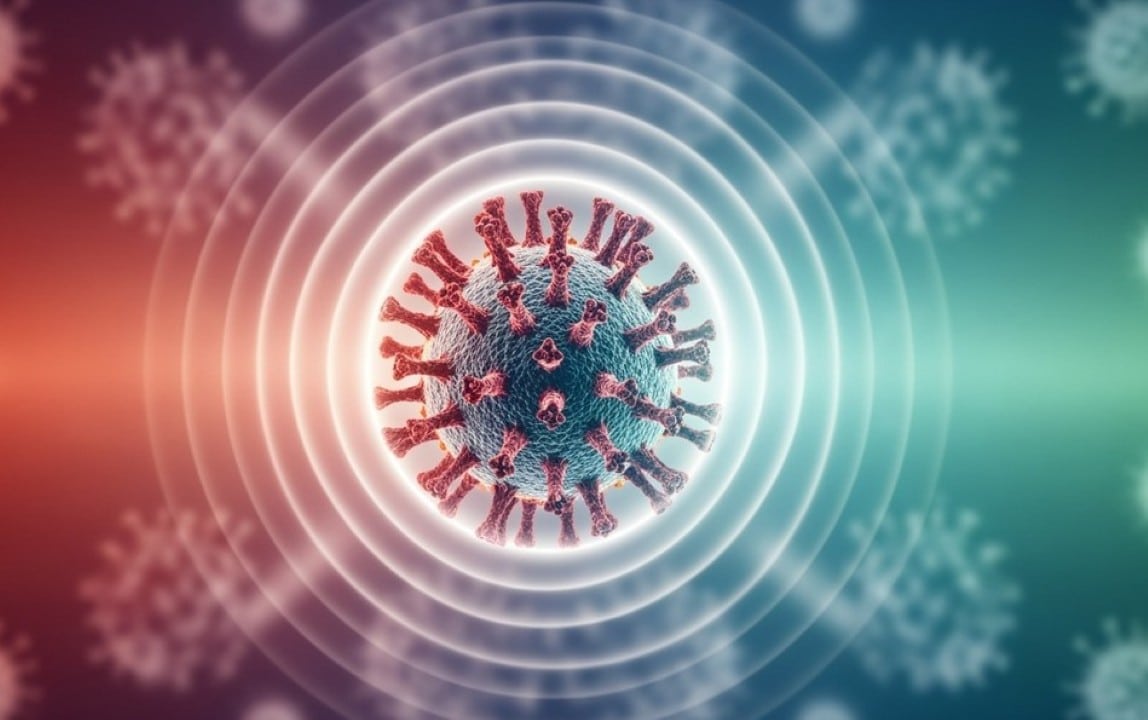
Final deterioration involves respiratory complications, heart failure and severe neurological disorders. Death usually occurs between the tenth and thirteenth day of active infection. Massive bleeding does not represent the main symptom. Essa characteristic differentiates Lujo from other known hemorrhagic fevers, such as that caused by the Ebola virus. Microscopic observation reveals a structure with the appearance of grains of sand, a standard morphological trait of all arenaviruses.
Investigação on animal reservoirs and risk factors
The biology of the pathogen indicates a clear zoonotic origin. Pesquisadores assess that the evolutionary leap for humans came from populations of wild rodents. Outros African arenaviruses, like the one that causes Lassa fever, use mice of the species Mastomys natalensis as natural hosts. The exact animal reservoir of Lujo remains under ongoing investigation. Expedições scientists detected viruses with similar genetic material in rodents that inhabit peripheral areas of urban centers in the southern region of África.
Inter-human transmission requires physical proximity and failures in basic health barriers. Cientistas warn of the danger of introducing the virus into overcrowded clinics with poor infrastructure. The presence of immunosuppressive diseases in the local population increases the risk of fatal outcomes. Altas HIV infection rates or tuberculosis incidence may facilitate viral multiplication in exposed individuals. Monitoring fevers of unknown origin attempts to mitigate these risk scenarios.
Mapeamento structural and therapy development
A study published in 2024 detailed the architecture of the spike protein of the Lujo virus. Scientists compared the molecular structure with that of the Lassa virus to understand the exact mechanisms of infection. The protein functions as a key that allows the pathogen to enter human cells. Lujo stands out as the only documented arenavirus that uses neuropilin-2 as its primary cellular receptor. Mapping this biochemical interaction provides essential data for the design of future vaccines and viral blockers.
Current medicine does not have a specific treatment approved by regulatory agencies to combat the infection. Clinical management is based on intensive supportive measures. Teams focus on intravenous hydration, pain control and maintenance of respiratory and kidney functions. The only surviving patient received doses of the antiviral drug ribavirin. Doctors also administered statins, N-acetylcysteine and recombinant factor VII to stabilize the condition. The isolated efficacy of ribavirin against the pathogen still needs to be proven in large clinical trials.
Complete genetic sequencing occurred shortly after the original outbreak was contained. RNA analysis confirmed the classification of the pathogen as a new member of the Velho Mundo arenaviruses. Nenhuma new human infection has entered official records since the 2008 event. Epidemiological surveillance networks at África keep alert protocols activated. The knowledge accumulated in recent decades prepares global health systems for more agile responses in the event of a re-emergence of the virus.
Veja Tambem em Latest News (EN)

Gabriel Jesus refuses European giants and decides to stay at Arsenal to seek historic record

Cristiano Ronaldo and Lionel Messi’s fortunes go beyond the pitch with billion-dollar investments

Green Bay Packers running back Josh Jacobs faces arrest following five felony charges in Wisconsin

Brazilian striker details alliance with French star at Real Madrid and praises fight against racism

Arsenal star Bukayo Saka challenges Paris Saint-Germain in the Champions League final

Defender Ona Batlle ends winning streak at Barcelona and moves to Arsenal

Besiktas prepares offer of seven million euros to take goalkeeper Rossi from Flamengo in the next window

Paris St-Germain reaches the Champions League final with a brutal physical advantage over Arsenal

Former midfielder Guti questions the management of Real Madrid’s academy and points to the mystery of Xabi Alonso’s departure

England and Saudi Arabia compete to hire coach Pep Guardiola for national team football

Striker Cristiano Ronaldo secures an unprecedented trophy for Al-Nassr and raises alarm in the Portugal team
