
Scientists warn that super El Niño in 2026 could bring unprecedented climate extremes

International Pesquisadores warn that 2026 could record one of the hottest years in history, with extreme weather phenomena enhanced by a likely super El Niño that will begin to develop in the second half of the year. The risk is not in the natural phenomenon itself, but in its overlap with the climate crisis induced by human activity, scientists point out.
A strong Pacífico Equatorial warming pattern is expected to establish itself in the coming months, bringing intense heat, torrential rains and worsening droughts to different regions of the planet. Modelos forecasts from several scientific centers converge towards the intensification of this natural event, which tends to last until 2027, influencing temperatures, winds and global weather patterns.
The natural phenomenon that amplifies climate crises
El Niño is characterized by the abnormal warming of the waters of the equatorial Pacífico, an oceanic cycle that has occurred naturally for centuries. The name, originally from Spanish, means “the boy” — a reference that Peruvian and Ecuadorian fishermen made in the 19th century when they noticed that this warming generally occurred during the Christmas period. The designation was later adopted by the scientific community.
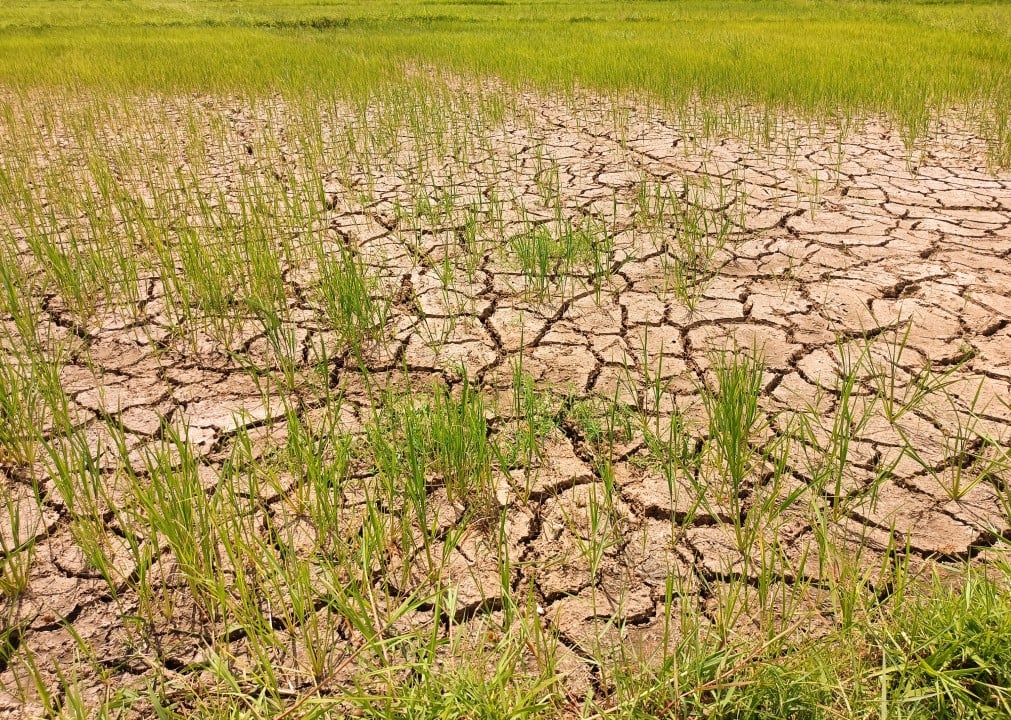
Durante phases from El Niño, the climate pattern intensifies prolonged droughts, amplifies devastating floods and drastically increases the risk of wildfires. The most recent event, occurring between mid-2023 and mid-2024, was classified as one of the five most intense ever documented. Naquele period, contributed to 2023 and 2024 breaking global temperature records, with average values approaching or exceeding 1.5 degrees Celsius above pre-industrial levels.
Anteriormente, the most intense episodes in recent decades were recorded in 1997-1998 and 2014-2015, both causing extreme phenomena on a global scale. But the next one will be different, experts warn.
Why 2026 represents unique risk
The crucial difference lies in the convergence of factors. Climatologist Friederike Otto, professor of Imperial College of Londres and co-founder of World Weather Attribution, reaffirms that El Niño is natural, but its combination with climate change caused by human activity creates an unprecedented scenario. “Don’t panic about El Niño. Entrem panics about climate change induced by human activity”, he highlighted at an international conference.
Pesquisas from the climatologist indicate that, even in years with strong El Niño, climate change caused by humans produces much greater effects on the intensity and probability of extreme phenomena. If Caso or super El Niño develops as predicted, it could amplify climate extremes never before observed in previous El Niño events.



Ricardo Trigo, geophysicist at Faculdade of Ciências of Lisboa, agrees with this analysis. The overlap of a very strong El Niño with the clear trend of rising water and atmospheric temperatures greatly increases the likelihood that 2026 and 2027 will become the hottest years on record, potentially breaking global records.
Expected Impactos and dimension of the phenomenon
Centros scientific prediction no longer leaves room for doubt about the development of this phenomenon in 2026. The different research teams converge in their analyses, albeit with small variations in the degree of probability of a super El Niño. Praticamente all projections point to continued climate influence until 2027.
Pacífico’s equatorial warming pattern gradually affects global temperatures, winds, and weather systems across the planet in subsequent months. The predicted intensity suggests:
- Secas severe in multiple regions, especially in already vulnerable areas
- Chuvas torrential floods and floods in other areas of the world
- Risco extreme large-scale wildfire
- Possível increase in extreme weather phenomena such as hurricanes and intense storms
- Additional Pressão in ecosystems already weakened by the climate crisis
The scenario is worrying because these impacts arrive at a time when the planet is already in a critical state of climate imbalance. Global temperatures have already risen significantly above pre-industrial levels, increasing the vulnerability of populations, infrastructures and ecosystems.
The challenge of scientific communication
Friederike Otto reaffirms a central issue: differentiating between appropriate alarm about the climate crisis and unnecessary panic about an isolated natural phenomenon. El Niño has always existed and has always made an impact. But its occurrence on a planet already warmed by decades of greenhouse gas emissions creates a dangerous equation.
Cientistas emphasize that preparedness should not focus exclusively on El Niño, but on the structural vulnerabilities that climate change has created. Sistemas warning, resilient infrastructure and reducing carbon emissions are priorities that transcend this specific event. The combination of natural and anthropogenic factors in 2026 will serve as a crucial test for the global response capacity to climate crises.
Veja Tambem em Latest News (EN)

Gabriel Jesus refuses European giants and decides to stay at Arsenal to seek historic record

Cristiano Ronaldo and Lionel Messi’s fortunes go beyond the pitch with billion-dollar investments

Green Bay Packers running back Josh Jacobs faces arrest following five felony charges in Wisconsin

Brazilian striker details alliance with French star at Real Madrid and praises fight against racism

Arsenal star Bukayo Saka challenges Paris Saint-Germain in the Champions League final

Defender Ona Batlle ends winning streak at Barcelona and moves to Arsenal

Besiktas prepares offer of seven million euros to take goalkeeper Rossi from Flamengo in the next window

Paris St-Germain reaches the Champions League final with a brutal physical advantage over Arsenal

Former midfielder Guti questions the management of Real Madrid’s academy and points to the mystery of Xabi Alonso’s departure

England and Saudi Arabia compete to hire coach Pep Guardiola for national team football

Striker Cristiano Ronaldo secures an unprecedented trophy for Al-Nassr and raises alarm in the Portugal team
