
Rare blue moon will appear in the sky on May 31, 2026

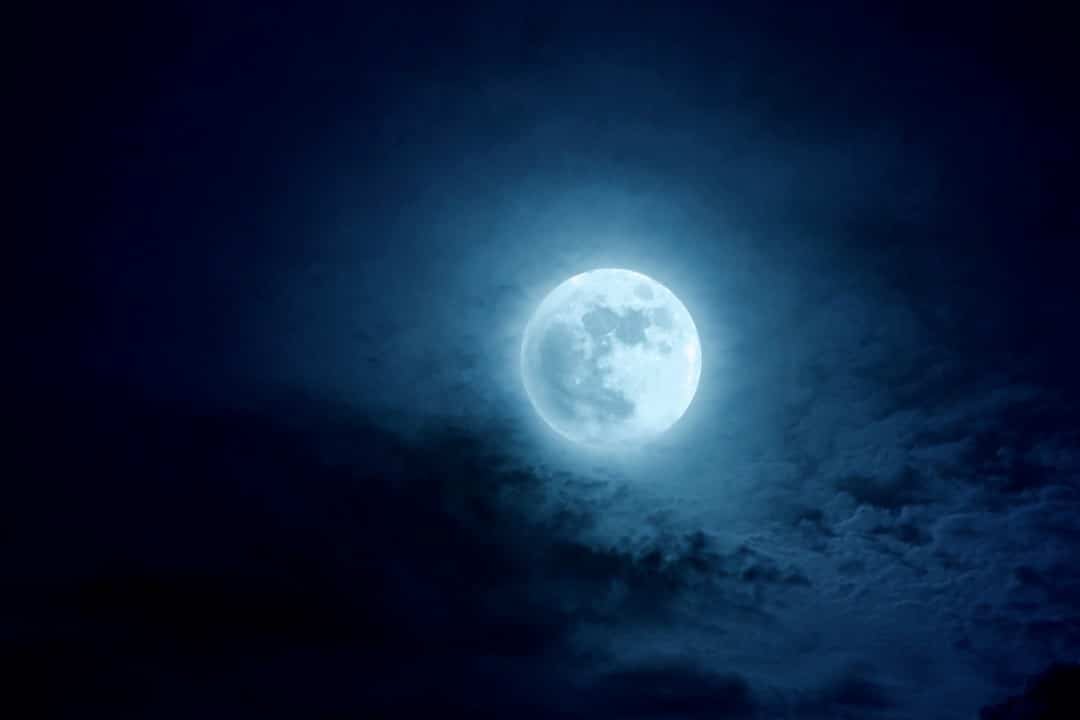
A second full moon will light up the sky on the last day of May, marking the occurrence of a rare astronomical phenomenon known as Lua Azul. The event will take place on May 31, 2026, less than a month after Lua Cheia’s Flores appeared on the first of the month. Observadores from the sky will be able to witness this celestial spectacle that has not occurred since August 2024.
The name Lua Azul refers to the occurrence of a second full moon within the same calendar month. Apesar of the suggestive name, the moon will not have a bluish hue but will maintain its characteristic yellowish color. Relatos records indicate that the full moon only took on a blue hue under very specific circumstances, such as during forest fires or volcanic eruptions that released particles into the atmosphere.
Características from May’s Lua Azul
Lua Azul on May 31 will also be a micromoon, integrating a trio of full moons with special characteristics during spring and summer. Microluas occur when the full moon rises at a point in the orbit further away from Terra than normal, a phenomenon that can make the satellite appear slightly smaller to the eyes of terrestrial observers. Esta combination — Lua Azul and micromoon simultaneously — increases the rarity of the event.
The popular expression “once in a lifetime” sums up the frequency of this phenomenon. The last recorded Lua Azul took place in August 2024, according to data from EarthSky. The interval of approximately two years between occurrences demonstrates why this astronomical event attracts so much attention among amateur and professional astronomers.

Fenômeno rare in the astronomical calendar
The lunar calendar works differently from the traditional Gregorian calendar. Como the lunar cycle lasts approximately 29.5 days, some months of the Gregorian calendar can accommodate two full moons. Isto makes Lua Azul a statistically rare event. On average, this phenomenon occurs every two or three years, varying depending on the alignment between the civil calendar and lunar cycles.
Observadores from the sky who wish to witness the event will need favorable weather conditions — clear skies and low air humidity are ideal for viewing. The full moon will be visible from dusk on May 31, reaching its peak brightness throughout the night. Diferentemente of lunar eclipses, Lua Azul does not require special equipment; Naked eye observation is completely safe and effective.
Contexto of lunar phases in May
Maio of 2026 marks an especially busy month in terms of lunar phenomena. The sequence begins with Lua Cheia of Flores on May 1st, the traditional name given to the first full moon in May, historically associated with the peak of plant flowering in América of Norte during this time of year. Trinta days later, the month ends with Lua Azul.
The presence of two full moons in a single month is a direct result of the length of the lunar cycle. The moon’s synodic period interval between two identical phases measures 29 days, 12 hours and 44 minutes. Como Most months in the Gregorian calendar have 30 or 31 days, occasionally they can accommodate two complete lunar cycles. Fevereiro, as it only has 28 or 29 days, never has two full moons.
The station’s trio of micromoons
May’s Lua Azul is part of a set of three consecutive micromoons observed during the spring and summer of 2026. Microluas is also technically called “apogee moon”, a moment in which the natural satellite is at the furthest point of its elliptical orbit in relation to Terra. Este distant point is called lunar apogee.
Quando the full moon coincides with the apogee period, it has a reduced apparent diameter in the sky. Comparada at a full moon at perigee closest to Terra, the micromoon occupies approximately 10% less visual space in the firmament. Embora the difference is not easily noticeable to the naked eye in a single observation, consecutive micromoons make the pattern more evident to attentive observers.
Information about this phenomenon comes from NASA and the specialized portal EarthSky, which continuously monitors astronomical events. Astrônomos amateurs often use these forecasts to plan astronomical observations and photography.
Próximas observation opportunities
Observadores who wish to record photographs of Lua Azul on May 31st will find an opportunity to capture an event that will not be repeated for some years. Para photography, optical zoom cameras, or telescopes reveal details of craters and lunar surface features with greater clarity. Astrofotógrafos usually use:
- Câmeras with long focal range lenses, above 200mm
- Tripés stable to reduce vibration during exposure
- Lunar calendar Aplicativos to determine precise sunrise and culmination times
- Filtros solar — only if photographing the moon near the horizon during twilight
Especialistas in astronomy recommend observing the full moon at times close to midnight, when the satellite reaches maximum height in the sky, thus reducing distortion caused by the Earth’s atmosphere. The clarity of the object allows for fast exposure capture, minimizing the effect of atmospheric flickering.





