
Science shows that it is possible to reverse much of the damage caused by alcohol to the body

Estudos Recent scientific studies demonstrate that much of the damage caused by alcohol consumption to the body can be interrupted or reversed when the individual abandons the habit, depending on the duration and intensity of previous consumption. The discovery offers a positive outlook for millions of people seeking to regain their health after years of regular drinking.
The intrinsic toxicity of alcohol is undeniable. Andrew Freeman, director of cardiovascular prevention and wellness at National Jewish Health at Denver, states that alcohol is “intrinsically toxic” the same substance used to disinfect and kill organisms. The fundamental question remains: is there any safe amount? The contemporary scientific answer is no.
Álcool responsible for 62 different diseases
Updated Pesquisas reveals that alcohol consumption is directly responsible for 62 different diseases. Entre they are alcohol-related heart disease, psychotic disorders, gastritis, ulcers, pancreatitis, fatty liver disease, fetal alcohol syndrome and liver cirrhosis. Jürgen Rehm, senior scientist at Institute for Mental Health Policy Research at Toronto, explains that these conditions are 100% attributable to alcohol and would not exist without its consumption.
Adicionalmente, there are 30 other diseases in which alcohol plays a significant role, as pointed out by Rehm in research carried out since 2003 in collaboration with Organização Mundial of Saúde and scientists from Estados Unidos, Europa and Reino Unido. Essas conditions include breast cancer and other cancers, heart disease, stroke, diabetes and dementia. Embora existed independently, alcohol consumption accounts for a certain proportion of its cases.
The immediate impact on immunity is particularly alarming. A single alcoholic drink reduces the immune system’s ability to fight invaders within just 20 minutes of consumption. Chronic Consumo can permanently affect essential immune cells, compromising defenses against bacterial, viral infections and even cancer cells.
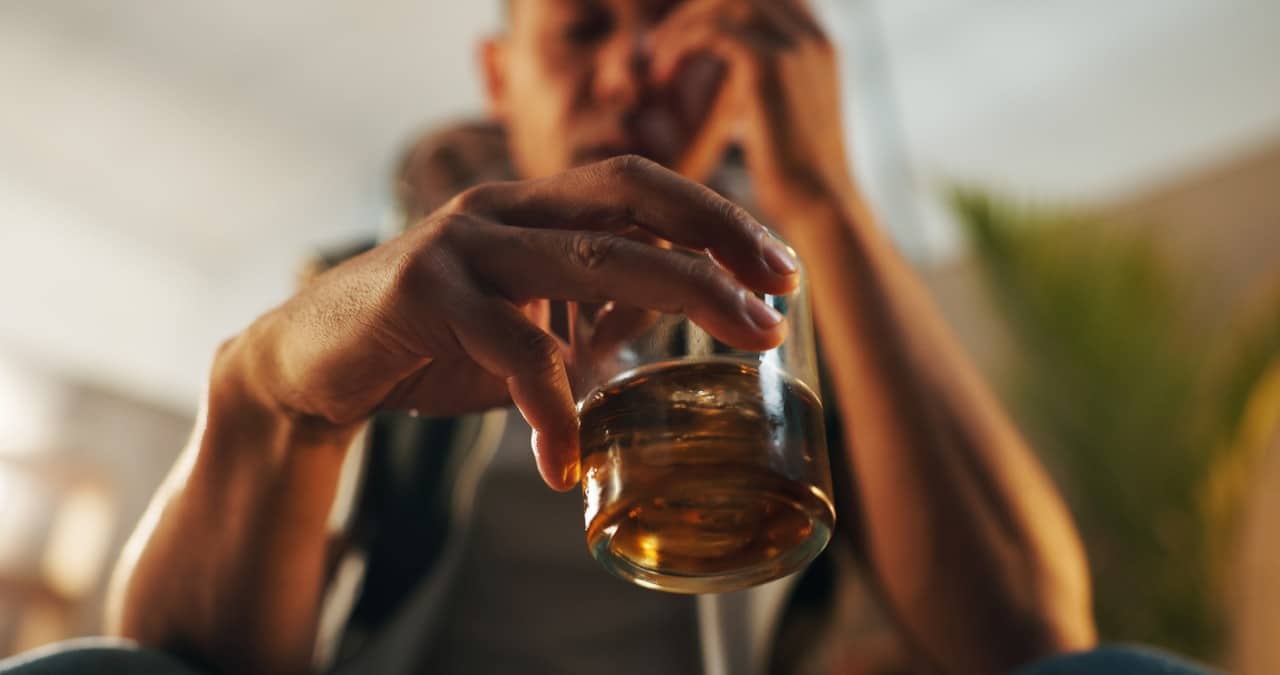
Sistema immune system and rapid recovery
An isolated episode of excessive drinking, typically four or more drinks in a few hours, disrupts the immune response for 24 hours. Felizmente, the immediate effects do not last indefinitely. Dependendo consumption levels, the body recovers in a few days to a week, according to information from Rehm. Excessive consumption increases particularly among women over 30 and adults over 65 in the Estados Unidos.
Contudo, chronic consumption presents a different scenario. Pode inhibit or destroy natural killer cells and T cells, the elite strike force of the immune system, resulting in greater vulnerability to infections such as pneumonia, HIV and tuberculosis. Long-term abstinence can aid recovery, but experts warn that some damage may only be partially reversible, depending on the duration and amount of alcohol consumed. Severe Alcoólicos may remain immunocompromised even after cessation.
Scientific definitions of excessive drinking vary by gender. Para women, excessive consumption corresponds to more than 40 grams of pure alcohol per day (40 ml of alcoholic beverage). Para men, the definition is more than 60 grams of pure alcohol daily (60 ml of alcoholic beverage). A bartender serving 30 ml of spirits in a cocktail already puts the consumer on the path to becoming an excessive drinker that day.
Câncer as a third preventable cause
Alcohol is the third leading preventable cause of cancer in Estados Unidos, behind only tobacco and obesity, according to former US Surgeon General Vivek Murthy. In early 2025, Murthy issued a notice requiring updates to warning labels on alcoholic beverages. Todos types of alcohol contribute to cancer by damaging DNA and increasing chronic inflammation, as indicated by Centros of Controlo and Prevenção of Doenças from the US.
The scope of the problem is extensive: alcohol consumption is responsible for approximately 100,000 cases of cancer and 20,000 deaths from cancer annually in the Estados Unidos, a number higher than the 13,500 deaths from alcohol-related road accidents per year in the country. Contudo, most Americans are unaware of this significant risk. Para women, the main risk is alcohol-associated breast cancer. Colorectal cancer is the type most frequently associated with alcohol among men.
Sinclair Carr, PhD student at Escola from Saúde Pública T.H. Chan of Universidade of Harvard in Boston, affiliated with Instituto of Métricas and Avaliação in Saúde, explains that abstinence stops the progression of any type of cancer caused by alcohol, but does not offer an absolute guarantee. Cancer takes years to develop; therefore, an individual may already have cancer caused by alcohol and still develop cancer after stopping drinking. Porém, if there is no cancer in the body and the person stops drinking, eliminates the future possibility of any cancer attributable to alcohol.



The time required to ensure that a history of regular consumption has not contributed to cancer is approximately 30 years, the same period required for tobacco. Rehm offers shocking perspective: an excessive drinker may think a drink is equivalent to a cigarette. The causes of cancer are multifaceted, but when it comes to alcohol, cancer is a chronic disease in which stopping drinking produces good results, as much of the damage can be reversed.
Partially recoverable brain Danos
Contrário to the previous belief that alcohol kills brain cells, current science concludes that it destroys connections between neurons, leading to brain shrinkage, especially in the areas responsible for memory and decision-making. One of the largest studies carried out revealed that three drinks a week increased the risk of dementia by 15% compared to one drink a week.
Brain damage caused by alcohol is partially reversible, depending on whether the injury is acute or long-term. Estudos suggest that cerebral atrophy shrinkage of brain tissue may partially recover weeks or months after cessation of alcohol consumption, with measurable changes often beginning within the first few weeks. Funções Cognitive aspects such as attention, executive function, and memory may also improve with abstinence, as indicated by Carr.
Contudo, chronic excessive drinking and compulsive drinking appear to contribute to long-term brain changes associated with increased risk of dementia. The available evidence does not suggest that stopping drinking completely restores a person’s risk of dementia to the level of someone who has never drunk heavily. Esta reality remains challenging for complete neurological recovery.
Cardiac Saúde and possible benefits
The relationship between alcohol and heart health presents a complex “J”-shaped pattern. Consumo Low to moderate alcohol consumption The flatter portion of the “J” has a slightly positive impact on heart health, as described in multiple studies. Contudo, as the number of daily drinks increases, the risk also increases, crossing the straight line of the “J” in a dangerous way.
The apparent protective effects on the heart basically disappear in people who also engage in excessive and episodic alcohol consumption. A 2023 study found that just one alcoholic drink daily raises systolic blood pressure the top number of a blood pressure reading. Beber alcohol having high blood pressure almost doubles the risk of serious liver damage. Consumir alcohol, having a big belly or diabetes more than triples the risk, according to a study from February 2025.
Freeman, the cardiologist who specializes in preventing heart disease, says there is now enough evidence that drinking may do more harm than good. Most professionals advise people not to start drinking, to drink as little as possible if they do, or to stop drinking altogether.
Aplicações reversal practices
A tool developed by the Rehm team offers practical perspective on the issue. A free application shows how many minutes and days of life are lost with each drink consumed. Igualmente is important, it demonstrates how many minutes and days you gain when you stop drinking. Este personalized calculation can motivate behavior change decisions.
Reversing damage requires a clear understanding of what is recoverable and what remains challenging. Grande part of the losses attributable to alcohol can be delayed, stopped and even reversed if measures are taken in time. The window of opportunity exists, but it reduces as the duration of problematic consumption increases.
Veja Tambem em Latest News (EN)

Gabriel Jesus refuses European giants and decides to stay at Arsenal to seek historic record

Cristiano Ronaldo and Lionel Messi’s fortunes go beyond the pitch with billion-dollar investments

Green Bay Packers running back Josh Jacobs faces arrest following five felony charges in Wisconsin

Brazilian striker details alliance with French star at Real Madrid and praises fight against racism

Arsenal star Bukayo Saka challenges Paris Saint-Germain in the Champions League final

Defender Ona Batlle ends winning streak at Barcelona and moves to Arsenal

Besiktas prepares offer of seven million euros to take goalkeeper Rossi from Flamengo in the next window

Paris St-Germain reaches the Champions League final with a brutal physical advantage over Arsenal

Former midfielder Guti questions the management of Real Madrid’s academy and points to the mystery of Xabi Alonso’s departure

England and Saudi Arabia compete to hire coach Pep Guardiola for national team football

Striker Cristiano Ronaldo secures an unprecedented trophy for Al-Nassr and raises alarm in the Portugal team
