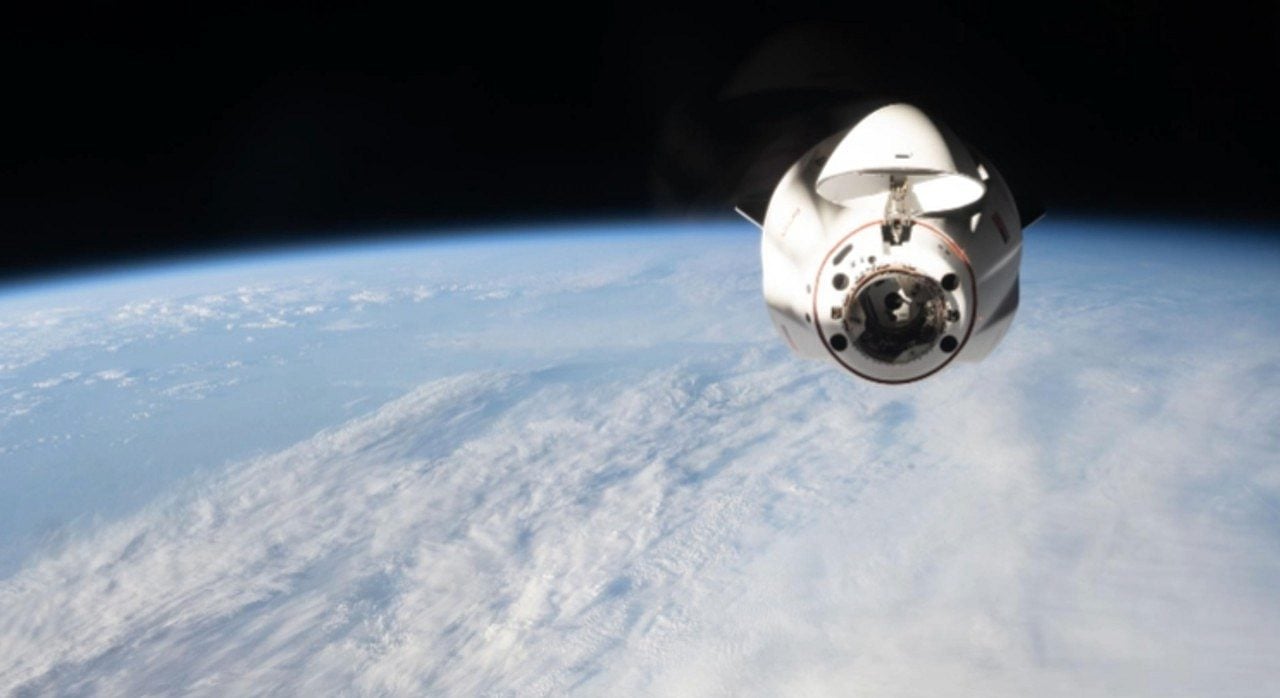
Estação Espacial Internacional (ISS) is the stage for advanced biomedical research focused on innovative treatments for cancer and cartilage injuries, taking advantage of the microgravity environment for new discoveries. Scientific activities, intensified with the recent arrival of supplies, aim to develop more effective therapies both in space and on Terra. The crew is also focusing on a spacewalk scheduled for the end of the month.
The SpaceX Dragon cargo ship delivered nearly 3,000 kilograms of food, supplies and equipment to the crew of Expedição 74 on May 17, 2026, paving the way for several investigations to begin. Research in a zero-gravity environment offers a unique perspective on biological processes, promising significant advances for human health and crew maintenance on long missions.
Pancreatic cancer Pesquisa progresses in microgravity
One of the most recent investigations aboard the ISS, Space Cancer Therapeutics, has begun to be implemented at the orbital station. NASA flight engineer Chris Williams dedicated himself to assembling the cancer research equipment. Ele carefully installed it in one of the research racks of the Kibo laboratory module.
The main objective of this phase is to observe the effects of microgravity on an anticancer drug and its molecular mechanisms. The results obtained may guide the development of more effective therapies to treat pancreatic cancer. Essas new approaches will have applications not only in Terra, but also in future space missions, protecting the health of astronauts.
Cartilage Engenharia Seeks New Implants for Astronauts
NASA flight engineer Jessica Meir is exploring new methodologies for growing cartilage tissue in space. Ela uses specialized equipment, with the aim of forming more natural and resistant structures. Meir processed and preserved cartilage samples that were initially grown on Terra and later launched aboard the Dragon spacecraft.
Tissue samples are being incubated inside the Laboratório of Biprodutos Automatizado Espacial. The study seeks to understand how microgravity can improve cartilage tissue engineering methods. The insights gained could lead to new fitness regimes to protect astronauts’ health. Além research can further the development of advanced implants to repair and regenerate injured cartilage in patients here at Terra.
Estudos of biotechnology and nutrition on board the ISS
NASA flight engineer Jack Hathaway started his shift by changing hardware components on the Advanced Space Experiment Processor-2. Essa action was essential to support a biotechnology study focused on the synthesis of pharmaceutical compounds. Next, Hathaway performed maintenance on a centrifuge located in the Human Research Facility of the Columbus laboratory module.
At the end of his shift, the astronaut photographed new equipment for botanical research. Esses items, also delivered by Dragon, will support the cultivation of microgreens, plants with higher vitamin and mineral content than mature leaves. Esta initiative is part of an ongoing effort to maintain a healthy and sustainable diet for astronauts on long-duration missions.
European Apoio to various research and lunar recording
ESA flight engineer Sophie Adenot (Agência Espacial Europeia) collaborated intensively throughout Tuesday, supporting various ongoing research at the orbital station. Adenot started its activities in the Cupola module. Lá, she pointed a camera towards Lua, capturing images of the light from Terra reflecting off the lunar surface, in a moment of astronomical observation.
Posteriormente, the astronaut installed a humidifier on Cell Biology Experiment Facility-L. Este equipment houses samples collected for cancer research conducted by Chris Williams. Para finished its tasks, Adenot processed tubes containing biological samples and materials. Esses items were sent by Dragon for a series of student-developed experiments.
Cosmonautas finalizes preparations for outdoor walk
Roscosmos cosmonauts Sergey Kud-Sverchkov and Sergey Mikaev dedicated themselves to inspecting two Orlan spacesuits. Eles ensured that life support and communications components were installed correctly and functioning properly. The pair then reviewed in detail the procedures for a spacewalk scheduled for the end of the month.
NASA will officially announce the date and time of the extravehicular activity soon. Essa mission is crucial to the maintenance and upgrade of the station.
Preparations for the spacewalk include:
- Inspeção thorough Orlan outfits.
- Verificação of life support systems.
- Teste of communication components.
- Revisão of operational procedures.
- European robotic arm Configuração.
Roscosmos’s flight engineer, Andrey Fedyaev, sent data to a computer. Essa action configured the European robotic arm for its use during the next spacewalk. Then he joined his fellow cosmonauts. Juntos, they reviewed the spacewalk activities that will be carried out outside the orbiting laboratory.