

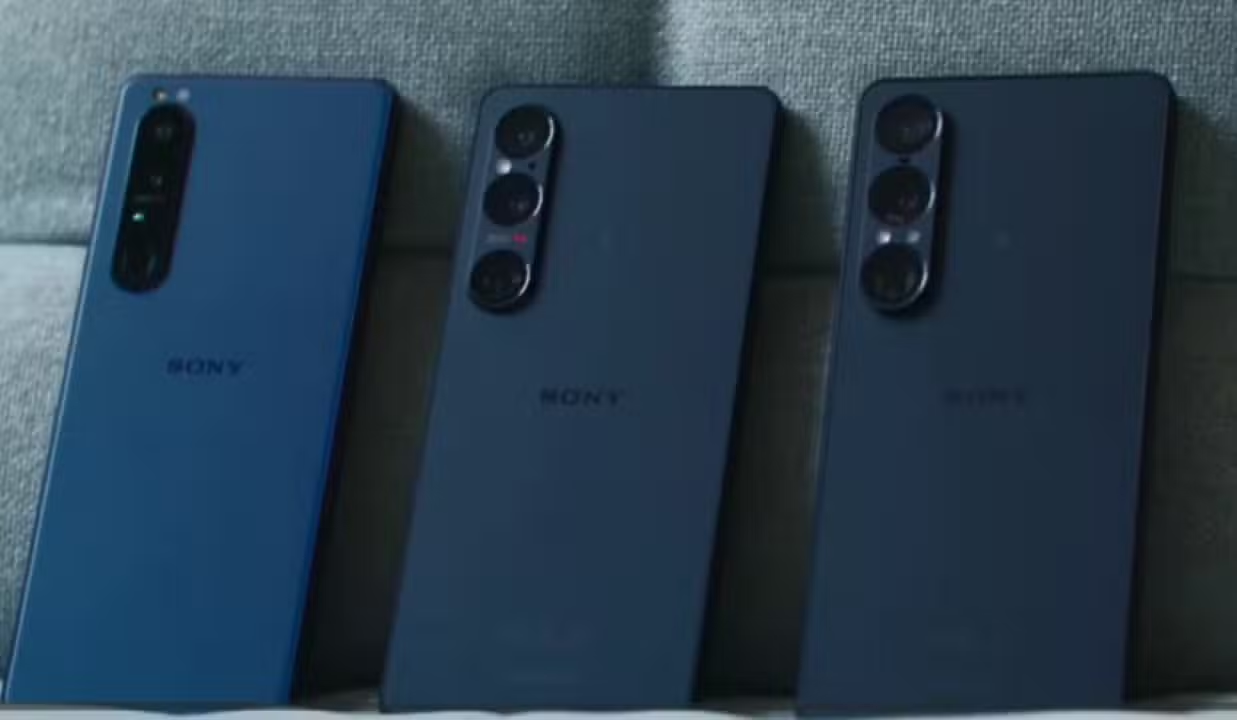
Dois of the most advanced smartphones on the market were placed side by side in an outdoor photo shoot. The Sony Xperia 1 VIII and the Google Pixel 10 Pro Durante day and night both revealed their strengths and weaknesses.
The practical test shows what the specifications only suggest. Larger Sensoress mean more photons captured, while AI algorithms offer intelligent adjustments in real time. Qual approach wins when the camera goes off?
Hardware from cameras reveals strategic bet
The Xperia 1 VIII mounts three impressively sized Exmor sensors. The main camera uses 48 MP with a 1/1.35″ sensor, the ultra-wide-angle sensor is 1/1.56″ and the telephoto camera maintains practically the same size as the front lens. The Pixel 10 Pro XL, in turn, features a more compact configuration: 50 MP, 48 MP ultra-wide and 48 MP telephoto cameras with 5x optical zoom.
The openings differ significantly. The Pixel achieves f/1.7 on the main camera, capturing more light than the Xperia at f/1.9. Porém, in the ultra-angular lens, the difference reverses. The Sony offers 1/1.56″, while the Google only uses 1/2.55″. Para the telephoto, the Xperia mounts a 1/1.56″ sensor versus 1/2.55″ of the Pixel.
Optical Zoom also divides competitors. The Xperia achieves 2.9x, while the Pixel offers 5x with its more aggressive telephoto.
Daytime Fotografia Exposes Processing Differences
In bright sunlight conditions, the Pixel 10 Pro XL demonstrates impressive automatic control. Seus Gemini algorithms adjust exposure, contrast and saturation with surgical precision. Detalhes fines in shadow areas appear recovered without appearing artificial. Colors follow a recognizable Google signature: vibrant but controlled.
The Xperia 1 VIII offers more natural images in shadows thanks to larger sensors. Ele captures raw scenery details with less egregious processing. Contrastes appear more marked. Texturas fabrics, foils and metal surfaces gain extra definition that Pixel softens slightly in its post-processing.
Abertura’s larger Pixel (f/1.7) compensates for the smaller sensor size during the day. Bokê appears more consistent in the images of Google. The Sony offers more natural but less controlled bokeh at depth edges.
Nocturnal Teste favors large physical sensors
At night, sensor size prevails. The Xperia 1 VIII captures more absolute light in each pixel, resulting in images with less digital noise. Mesmo In low-light environments, all three cameras maintain impressive detail.
The Pixel 10 Pro XL compensates with aggressive AI. Night Modo activates intensive computational processing, applying noise reduction, artificial sharpening and contrast enhancement. Final Resultado is less nature, more readability. Textos on distant signs appears more legible on Pixel. No Xperia, maintain more fidelity to what the eye sees, but with more grain.
Abertura f/1.7 from Pixel helps, but the difference in sensor size in low light modes becomes decisive. The Sony clearly wins in handheld night images.

Zoom and ultra-wide-angle defy real capture
Câmera’s ultra-wide angle Xperia 1 VIII with 1/1.56″ sensor offers visibly superior results. Distorção geometry remains controlled. Detalhes on the edges maintains sharpness. The Pixel with 1/2.55″ has a noticeable disadvantage at wide angle: softer edges, less detail at extreme angles.
In telephoto, Pixel rescues itself with 5x optical zoom versus 2.9x of the Sony. Quando both use digital zoom beyond their optical limits, Pixel preserves more detail thanks to AI processing. Xperia delivers a more natural, but pixelated image in addition to 3x magnification.
Complete Especificações for practical comparison
- Câmera main Sony: 48 MP, f/1.9, sensor 1/1.35″, pixel 1.12 μm
- Câmera main Pixel: 50 MP, f/1.7, sensor 1/1.3″, pixel 1.2 μm
- Ultra-angular Sony: 48 MP, f/2.0, sensor 1/1.56″, pixel 1.0 μm
- Ultra-angular Pixel: 48 MP, f/1.7, 1/2.55″ sensor
- Telefoto Sony: 48 MP, f/2.8, 2.9x zoom, 1/1.56″ sensor
- Telefoto Pixel: 48 MP, f/2.8, 5.0x zoom, 1/2.55″ sensor
- Câmera front Sony: 12 MP HDR
- Câmera front Pixel: 42MP
Veredicto from capture in the real world
Sony wins in natural photography and low light capture. Pixel dominates in processed readability and aggressive zooming. Para photographers who value fidelity, the Xperia impresses. Para users who want immediate results with AI, the Google delivers more polish.
The Pixel 10 Pro The 6.8-inch OLED screen and Gemini processing power complement the camera capabilities.
Ambos represent the best that smartphones offer in 2025. The choice depends on philosophy: robust hardware or aggressive artificial intelligence.