
Clandestine market for 2026 World Cup stickers grows with pirated files for R$10 to R$60

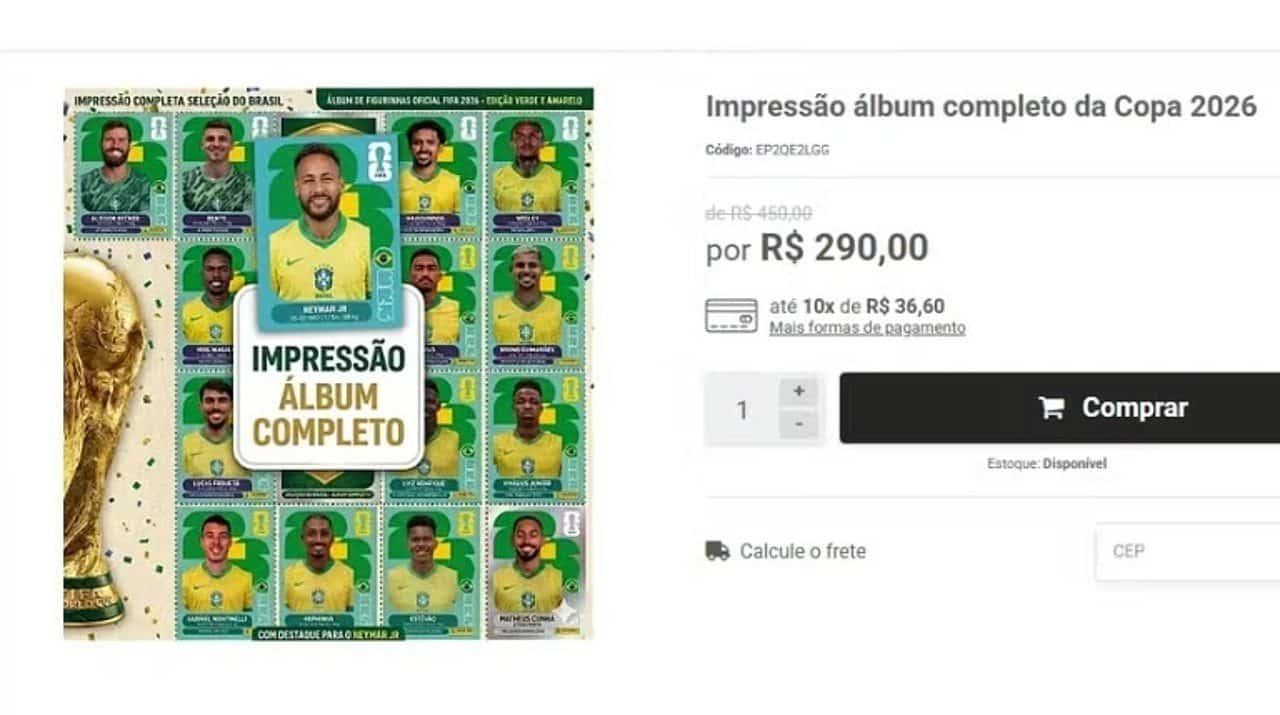
Internautas, uncomfortable with the high cost of completing the official collection, is turning to clandestine markets that offer digital files of all Copa stickers from Mundo from 2026 for prices between R$10 and R$60. The total cost of putting together the complete album legitimately can reach R$7,000 without making any exchanges, which drives consumers to look for irregular alternatives on the internet.
The pirated files contain all 980 stickers from the album, already separated by selections and ready for printing. Bastam just a few clicks for anyone to access the complete stickers, including extra variations. The ease of distribution on social networks and online sales platforms has turned piracy into a profitable business for unscrupulous sellers.
Venda of pirated files moves fake websites
Fraudulent Plataformas sell digital packages with promises of immediate delivery. One of the main attractions is the very low price: while some sites charge between R$30 and R$60 for the complete file, others offer aggressive promotions for just R$10. The permanent discount strategy aims to create urgency and increase sales volume.

In some criminal virtual stores, sellers offer more complete packages. A specific website sells the printed album with the stickers on “ideal weight” adhesive paper for R$240, promising fast shipping. Curiosamente, for the same price on the official Panini website it is possible to buy the legitimate album with cardboard cover and 30 sticker packs for just R$ 234.90.
Alguns sellers use subterfuge to avoid accusations of piracy. One of them defends itself by stating that it offers a “special sticker” and promises lifetime access with future updates at no additional cost. The ad appears as “Best Seller” on the platform, with at least 100 orders registered.
Distribuição free on social media amplifies the problem
The pirated files circulate openly on social networks, where users share links and celebrate the leak. Comentários of internet users reveal the motivation: “I’m going to download the PDF of the stickers and print everything to complete, I don’t have money to spend”. The normalization of illegal consumption among collectors makes it difficult to combat piracy.
The dissemination of digital stickers on platforms such as Facebook, Instagram and WhatsApp occurs without any regulation. Usuários pass the material on among friends and groups, creating a distribution network that escapes the control of authorities. The speed of sharing turns each download into a potential crime multiplication point.
Panini reinforces security and partnership with major retailers
Panini Brasil confirmed that it is aware of scams and fraud. The company says it is taking steps to remove misleading ads and fake websites from the air. The publisher’s official and only website is panini.com.br — any other platform that sells the album is potentially fraudulent.
Para ensure safe shopping, Panini has entered into strategic partnerships with major online retailers:
- Amazon
- Magalu
- Mercado Livre
- Havan
- Outros authorized partners
The company reinforces that collectors should be wary of offers well below the market price and avoid unknown websites. Piracy harms not only the manufacturer, but also the end consumer, who is at risk of fraud and does not receive a product of guaranteed quality.
Figurinha of Neymar powers searches for complete packages
The announcement of Neymar’s call for Copa 2026, confirmed on Monday the 18th, brought even more interest in the album. The star’s sticker has started to hit newsstands, but pirate websites are already promising the “special” piece as part of complete packages. The appeal of the complete collection with the team’s most famous player intensifies the search for illegal shortcuts.
Vendedores clandestine people take advantage of the expectation to attract more buyers. Alguns promises guaranteed shipping of the Neymar sticker along with the printed package, reinforcing the sense of value and tactical urgency among consumers.





