
Five Italian divers die in Maldives after entering dead-end tunnel

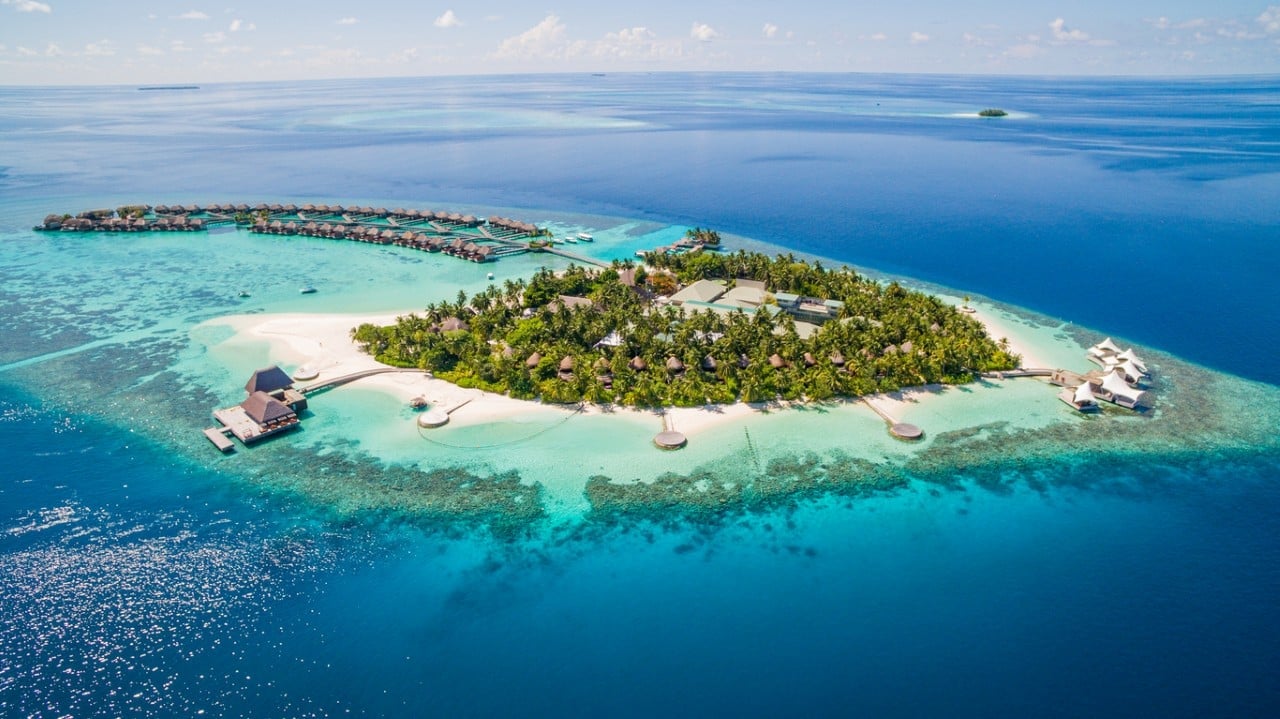
Cinco Italian divers drowned during an underwater cave expedition in Maldivas after following a tunnel that had no exit. The bodies were found approximately 50 meters deep in a closed corridor of the cave complex. The tragedy occurred on Thursday morning (14), but details about the route deviation were only revealed this Thursday (21) by the CEO of the company responsible for the rescue operation.
Laura Marroni, head of the company that recovered the bodies, confirmed the cause of the accident to the Italian newspaper La Repubblica. “There was no way out that way,” said Marroni when asked about the divers’ fatal journey. The information was released by CBS News and corroborates preliminary investigations into the sequence of events that led to the group’s disappearance.
Condições from the sea and rescue procedure
Local police reported that the sea presented rough conditions in the region where the accident occurred, located about 100 kilometers south of the capital Malé. A yellow alert has been issued for passenger vessels and fishermen in the area. The five Italians entered the water using scuba diving equipment, a modality that allows autonomous exploration of the seabed without depending on air from the surface.
Mergulhadores Finns who worked for DAN Europe, a company specializing in underwater rescue operations, were called in to locate the group. Eles discovered the bodies positioned in a dead-end corridor within the cave complex. The diving vessel’s crew reported the disappearance after the group did not return at the scheduled time.
What is scuba diving and associated risks
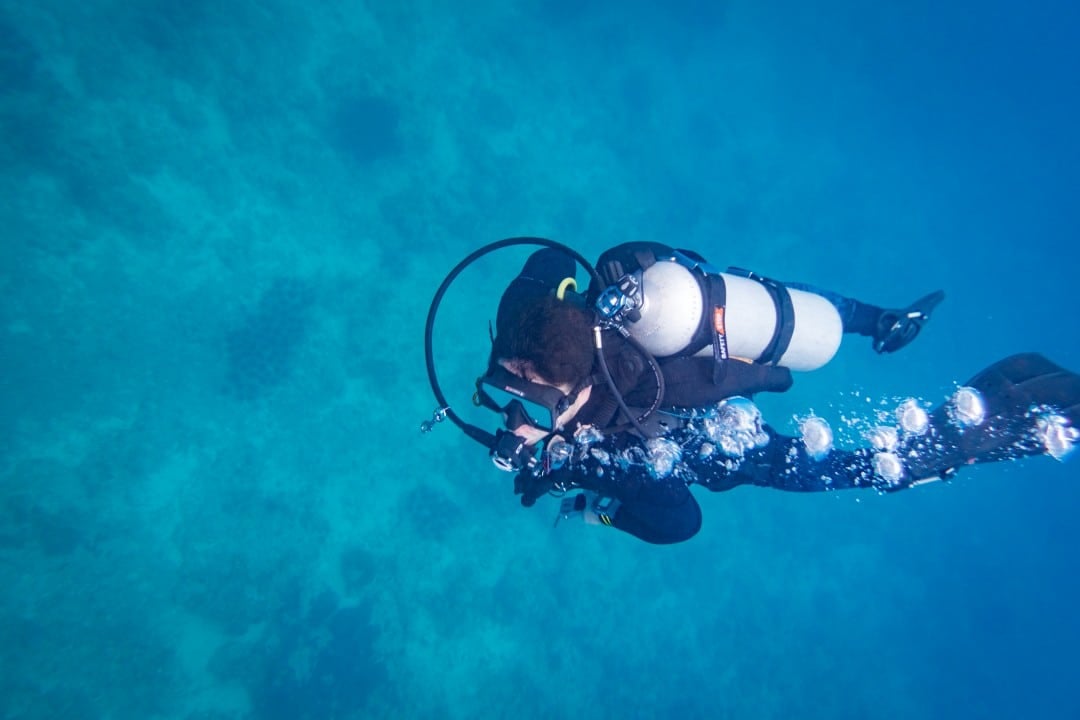
Scuba diving is a type of diving that uses autonomous equipment for breathing underwater. Diferentemente of snorkeling, this technique allows the diver to descend to significant depths and remain submerged for prolonged periods. Freedom of movement is greater, but the risks increase proportionally to the depth and complexity of the location explored.
Cavernas underwater presents particular challenges for divers, regardless of experience level. The lack of natural light, narrow corridors and multiple forks create potentially disorienting environments. Mergulhadores may lose their sense of direction in caves, especially if they do not have clear visual markers or specific training for indoor navigation.
Investigação and next steps
Maldivas authorities began an official investigation into the accident. Fatores such as reduced visibility, sea current conditions at the time of diving and possible disorientation of divers are considered in preliminary surveys. DAN Europe, which coordinated the rescue operation, has not yet released an official statement detailing the circumstances that led to the route deviation.
The accident reinforces the importance of strict protocols when diving in cave environments. Especialistas point out that guidance systems, clear communication between divers and pre-established routes significantly reduce the risk of disorientation. Treinamento advanced underwater navigation is recommended for those who plan to explore underwater caves.
The international community of divers follows the development of investigations. As Maldivas receives thousands of divers annually, both for tourism and scientific and commercial expeditions. The tragedy highlights the ongoing need to review safety procedures in complex underwater operations.
Group Detalhes and timeline
The five Italians were part of an organized diving group that set out on a specific vessel for this expedition. The region where the accident occurred is known among divers for its unique geological formations, including extensive cave systems. The location is approximately 100 kilometers from the Maldivas capital, in a maritime area monitored by local authorities.
The disappearance was reported after the group failed to return at the time established by the vessel’s protocol. Resgatistas were quickly mobilized, but rough sea conditions made the operation difficult. The depth at which the bodies were found (50 meters) also posed a significant challenge for search and recovery teams.





