
Neanderthals used stone tools to treat tooth decay 59,000 years ago

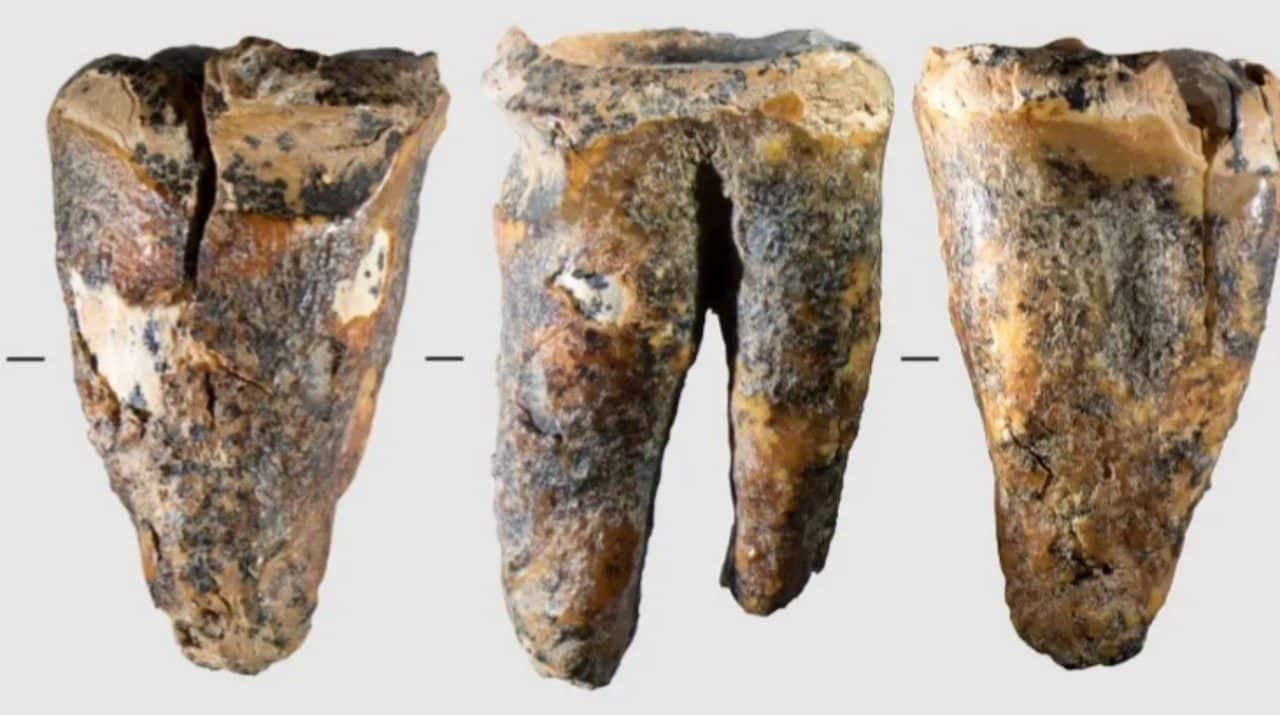
Pesquisadores discovered evidence that Neanderthals removed cavities with stone tools hundreds of thousands of years ago. The finding reveals an unexpected behavioral sophistication in these extinct hominids, suggesting that oral hygiene practices may go back much further in evolutionary history than previously imagined.
Ancestral Dental Treatment Evidências
Neanderthals, who lived between 400,000 and 40,000 years ago, left clear clues of dental manipulation in analyzed fossils. Marcas of wear and small grooves on fossil teeth indicate repeated actions with stone sharp objects. Cientistas observed that these markings correspond to specific scraping and drilling patterns in regions affected by cavities.
Detailed analysis of the remains showed that these procedures occurred in life, not after death. Bone healing patterns around the damaged teeth confirm that the individuals survived the interventions. Alguns fossils show multiple episodes of treatment, suggesting repeated attempts to relieve discomfort.
Evolutionary Proximidade with modern humans
Neanderthals occupy a fundamental position in the hominid family tree. Como, direct cousins of Homo sapiens, shared notable biological characteristics despite having followed distinct evolutionary paths. The discovery of sophisticated dental practices reinforces the behavioral complexity of these extinct ancestors.
Estudos genetic tests revealed that modern humans carry between 1% and 4% Neanderthal DNA in their genome. Essa genetic inheritance persists, particularly in European and Asian populations. The discovery about Neanderthal oral hygiene adds a new dimension to the understanding of cognitive abilities shared between species.
Implicações for Understanding Ancestral Cognition
Dental treatment practices demonstrate planning, use of specialized tools, and problem solving. Esses behaviors suggest that Neanderthals possessed sophisticated intelligence, including:
- Identificação of dental problems and their causes
- Seleção of tools suitable for different tasks
- Execução of procedures that required motor precision
- Transmissão of knowledge between individuals in the group
- Compreensão of cause-effect relationship between actions and relief
The ability to perform dental procedures implies advanced body awareness. Neandertais understood oral anatomy and could identify damaged structures. The refinement of these techniques over time indicates cumulative learning and behavioral innovation.
Contexto archaeological and methodology
Pesquisadores used high-resolution microscopy to examine markings on dozens of Neanderthal fossil specimens. Three-dimensional photogrammetry allowed detailed reconstruction of injuries and wear patterns. Análises comparisons with modern human fossils from the same time revealed similarities in the procedures performed.
Especialistas in paleopathology evaluated signs of bone inflammation and scar remodeling. Radiometric dating confirmed that these procedures occurred consistently over tens of thousands of years. Multiple Achados at distinct archaeological sites indicate widespread practice, not isolated behavior of specific individuals.
Contribuição for history of medicine
Neanderthal dental treatment predates practices documented in historical civilizations by hundreds of thousands of years. Civilizações Mesopotamians and Egyptians left records of dental procedures, but Neanderthal practice predates considerably. Essa discovery repositions the beginnings of human interventional medicine on a much deeper timescale.
The ability to perform invasive procedures with lithic instruments reveals impressive technological mastery. Neandertais understood the limits of their physiology and sought solutions. Behavior demonstrates concern for individual well-being within structured social communities.





