
Manufacturer Xiaomi revamps cell phone interface with new HyperOS 4 system based on Liquid Glass

Chinese technology manufacturer Xiaomi has officially launched the HyperOS 4 operating system for its mobile devices. The platform brings a profound aesthetic redesign based on the Liquid Glass concept. The format places transparency as a central pillar. The change represents a significant leap compared to previous generations of the Asian company’s software in the current market. The goal is to deliver clean use.
The development of this interface follows a growing market demand for less visually polluted virtual environments. The overlay of translucent layers allows the main content to immediately stand out on the smartphone screen. Especialistas point out advantages. Graphic noise reduction makes daily interaction with the most used applications easier. The company seeks to consolidate its identity in the premium cell phone segment. The strategy involves aligning the software with the high-performance hardware already offered to global consumers.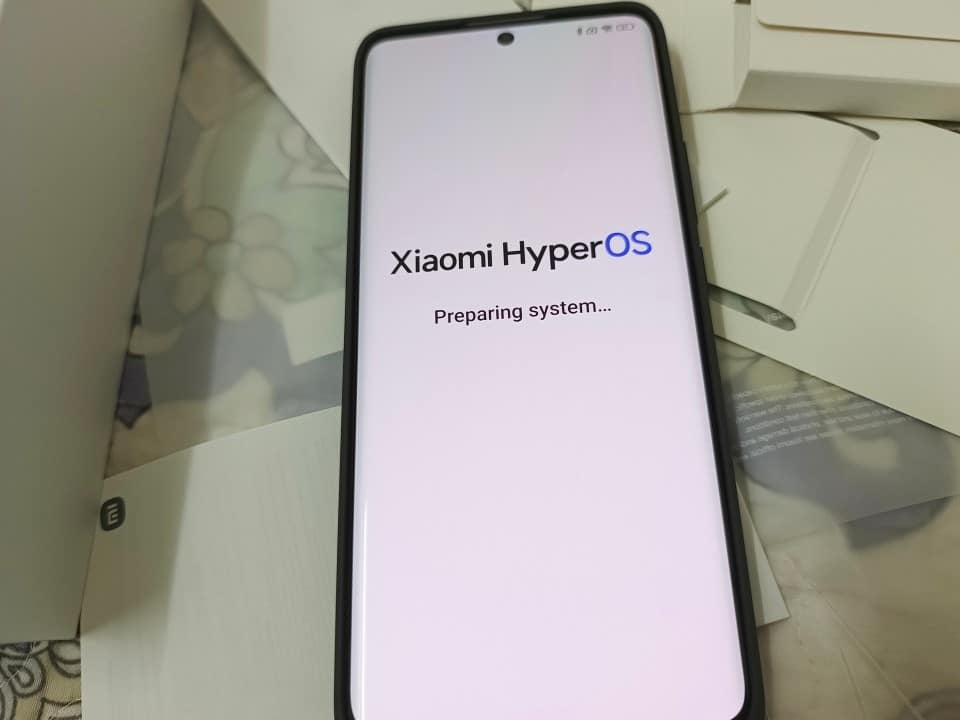
Conceito visual focuses on reducing on-screen elements
The implementation of Liquid Glass changes the way menus and icons behave when using the device. Matte textures interact with wallpapers through different levels of opacity. The screen background remains visible even when the user accesses control panels or notifications. Essa technique creates a sense of depth on the device’s display. The primary colors receive a specific contrast treatment to avoid legibility problems in brightly lit environments.
The home screen widgets have also undergone a complete restructuring to adapt to the new design standard. The development team removed hard borders and marked dividing lines. The separation between blocks of information now occurs through subtle changes in shading and blurring. The practical result is an interface that appears to float over the background chosen by the cell phone owner. The visual fluidity remains constant when scrolling pages and opening folders.
Accessibility received special attention during the design of this new system graphical language. Pessoas with visual sensitivity can adjust the transparency intensity directly in the software settings. The resource guarantees inclusion. The aesthetic innovation does not detract from the basic usability of the phone for any customer profile. Native application icons gained smoother contours and discreet animations when tapped. Haptic feedback works in conjunction with visual responses to confirm each action taken.
Padronização aesthetics affects different brand devices
Xiaomi’s product ecosystem encompasses a wide range of connected electronic equipment. HyperOS 4 arrives with the mission of unifying the appearance of software on smartphones, tablets and smart watches. Visual consistency makes it easier for users to transition between different screens throughout the day. A document with technical guidelines was made available to application creation studios. The documentation provides guidance on how to adapt third-party programs to the operating system’s new translucent reality.
Integration between devices requires the interface to behave predictably across different screen sizes. The adaptive layout reorganizes the transparent elements according to the orientation and resolution of the display used at the time of navigation.
- Camadas of Liquid Glass applied throughout the software navigation structure.
- Standardized design Diretrizes for external application developers.
- Ajuste automatic aspect ratio for the brand’s cell phone and tablet screens.
- Sistema of responsive animations based on user gestures and touches.
- Advanced customization Opções for controlling the level of transparency.
The manufacturer’s theme store will undergo more rigorous curation to maintain the quality standard required by the update. Independent creators will need to test their customization packs for compatibility with the Liquid Glass effect. The measure avoids problems. Poorly optimized Interfaces will not break the visual harmony proposed by the company in this generation. Users who prefer the old-school look will still find classic options available for download. Flexibility of choice remains a strong characteristic of the brand in the global market.


Exigência graphics demands processing optimization
Rendering multiple transparent layers in real time requires considerable effort from the phone’s internal components. The main processor and graphics chip need to work in sync to avoid stuttering during screen transitions. Xiaomi software engineering rewrote part of the system’s base code to improve RAM memory allocation. Intelligent resource management disables complex visual effects in apps running in the background. The technique preserves the performance of the device for the task at hand.
Battery life represents one of the biggest challenges when implementing interfaces rich in graphic details. Power consumption tends to increase when the screen needs to calculate dynamic blurs with each user movement. Testes indicate the use of algorithms. HyperOS 4 uses prediction to anticipate which areas of the display will need immediate updating during navigation. Processing only takes place on strictly necessary pixels. Energy efficiency means that the sophisticated design does not compromise the time spent using the smartphone away from the socket.
Entry-level and mid-range Aparelhos will receive adapted versions of the operating system to ensure stability for daily use. The blur level and number of overlapping layers can be automatically reduced on less powerful hardware. The scalability of the software ensures reach. A larger portion of consumers will have access to navigation news without having to change their phone. The company carries out exhaustive tests in different regions to map the system’s behavior under varying temperature conditions and intense use.
Update’s Distribuição prioritizes more advanced models
The release schedule for the new software follows a phase structure that is already traditional in the mobile technology industry. Smartphones classified as high-end will be the first to receive the installation package in the coming months. Strategy allows control. The manufacturer monitors system performance on devices with high initial processing capacity. Data collection on possible failures occurs in a controlled manner before expansion to the general public. Modelos released in previous years will enter the update queue gradually.
The brand’s global presence requires complex logistics for distributing the update file via the internet. Servidores on different continents prepare the infrastructure to support millions of simultaneous downloads. The Chinese manufacturer’s move intensifies the dispute for market share in the premium device segment. The focus on a striking visual identity attempts to differentiate the brand’s products on shelves full of similar options. The acceptance of the translucent design will define the company’s next steps in the development of its digital platforms.
Veja Tambem em Latest News (EN)

Flaco López could say goodbye to Palmeiras against Junior Barranquilla before the World Cup

Olise’s statement about Brazilian players provokes massive reaction with more than 80 thousand comments

Protección Civil sends emergency alert to millions of cell phones on May 28, 2026 as a preventive measure

Health monitoring advances with Oura Ring 5, 40% smaller and focused on hypertension and sleep apnea

Opening of the Gran Turismo World Series 2026 brings together top simulator drivers in Italy

007 First Light graphics engine integrates native PSSR technology into PlayStation 5 Pro console

Sony makes 3 new multiplayer titles available in the June catalog for PlayStation Plus subscribers

Sony confirms State of Play with a focus on Marvel’s Wolverine and new games for PlayStation 5

Studiocanal hires Armando Iannucci for Paddington 4 script and negotiates return of director
IOS 27 update brings customizable camera and turns Siri into artificial intelligence

Netflix KPop hit Demon Hunters gets physical Blu-ray and 4K UHD release from Criterion in December
