Stellantis invests 60 billion in cheap electric cars in Pomigliano

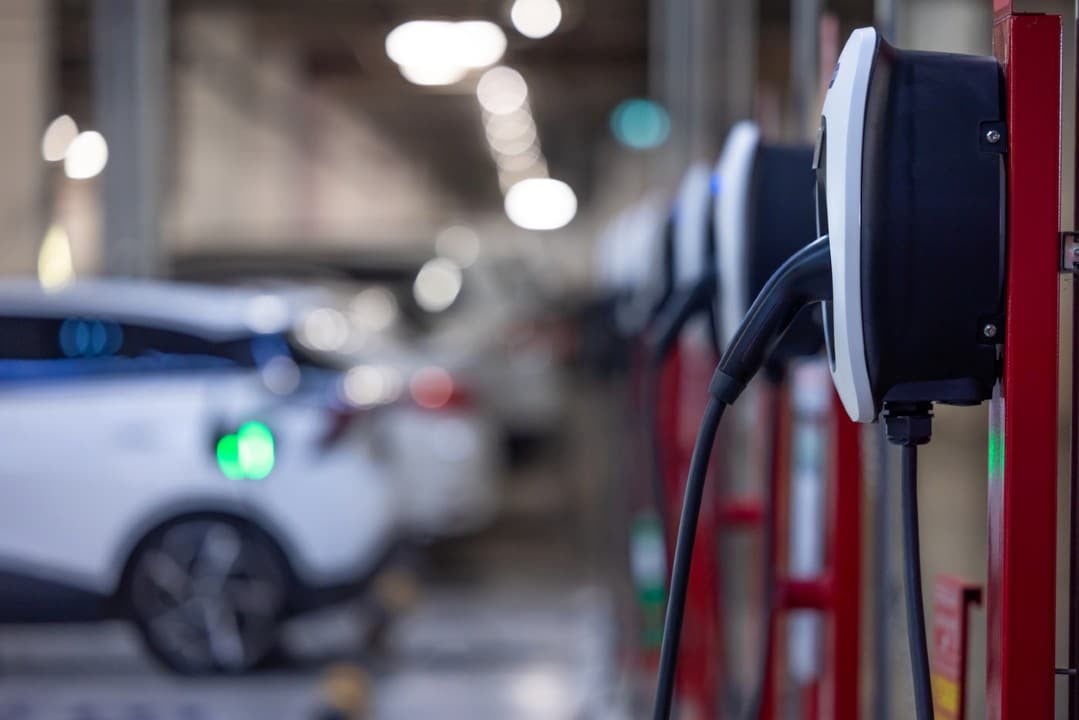
Automotive group Stellantis has announced a €60 billion strategic plan to expand production of affordable electric vehicles. The Pomigliano d’Arco factory, in the province of Nápoles, will be the center of this transformation. The project called E-Car will begin production in 2028 and marks a significant change in the Italian automaker’s European focus.
The new FaSTLAne 2030 plan positions urban electronics production as a central priority. Stellantis seeks to increase revenues by 15% in the broader European market and achieve an operating margin of between 3% and 5%. The E-Car represents a direct response to the growing demand for compact, elegant and zero-emission cars.
The Italian factory as a strategic axis
Pomigliano d’Arco, current producer of Fiat Panda, will become a production hub for compact electric vehicles. The location is not accidental: the place already dominates the manufacturing of one of Europa’s most iconic cars, consolidating expertise and infrastructure. The new E-Car project will build on this foundation to launch a generation of automobiles that combine distinctive design with economic accessibility.
Antonio Filosa, CEO of Stellantis, explained the strategy: “The E-Car is a concept deeply rooted in Stellantis’s European DNA, continuing the tradition of successful compact cars. Customers are asking for the return of small cars with a striking design, proudly produced at Europa, affordable and environmentally friendly. Stellantis responds with exciting models for several brands. Production begins in 2028 in our establishment of Pomigliano.”
One platform for multiple models
The group’s multi-brand strategy envisages that the E-Car platform will power multiple models sold under different brands. The Fiat will have its own electric version, potentially a successor to the Panda for the zero-emissions era. Peugeot, Citroën and Opel should also develop variations based on this technological base, creating a diversified offer in the electric compact segment.
Esse product scaling offers Stellantis significant economies of scale. Cada brand maintains its own visual identity and commercial positioning, while sharing platform, electronic components and motorization systems. The result is reduced development and production costs.
E-Car’s Além, Stellantis will develop the STLA One platform. Descrita as an example of “modularity by design”, this architecture was designed to maximize synergy and competitiveness between the group’s manufacturers.
Cronograma and production goals
The FaSTLAne 2030 plan includes the launch of more than 60 new models in the coming years. Muitos of these vehicles will either derive from the E-Car project or employ the STLA One platform. The Pomigliano factory plays a central role in this expansion, representing a significant bet on the Italian production recovery after years of operational difficulties.


Manufacturing will begin in 2028. Esse timeline allows the company to complete factory adjustments, finalize prototype validations and organize supply chain for critical electronic components such as batteries and motors.
Parcerias global industrial
Paralelamente, Stellantis develops multiple strategic partnerships. Acordos with Dongfeng, Tata and Jaguar Land Rover focus on extra-European markets, diversifying geographic revenue. The partnership with Leapmotor, a Chinese electric vehicle company, will be deepened towards even more ambitious goals of penetrating Asian markets.
Essas alliances complement the European production of Pomigliano. Enquanto the Italian factory serves the continental market with affordable compact cars, global partnerships position Stellantis in specific segments of emerging markets.
Impacto regional economic
The resumption of the Pomigliano factory as a center of excellence for electric vehicles signals a reversal of the Italian production decline. Nos recent years, the plant faced idleness and cost pressure. The new investment promises to generate direct jobs in manufacturing and the adjacent supply chain.
The Campania region, historically dependent on traditional manufacturing sectors, benefits from specialization in cutting-edge automotive technology. Produção of batteries, electronic systems and chassis for electric vehicles attracts additional investments in infrastructure and workforce qualifications.
European competitive Posicionamento
The focus on affordable electric compact cars positions Stellantis to compete directly with Chinese manufacturers who expand their presence at Europa with entry-level models at aggressive prices. E-Car offers a locally manufactured European alternative, reducing logistical and tariff risks associated with long-distance imports.
Esse competitive advantage, European quality, distinctive design, affordable price serves a broad segment of consumers looking for electric mobility without prohibitive costs. Stellantis projects significant growth in this market throughout this decade.
Veja Tambem em Latest News (EN)

King Charles III’s cancer progression accelerates transition of power to Prince William and Kate

Samsung changes Galaxy S26 Ultra design and restricts fast charging for thermal safety

Steam platform releases four independent games for free for permanent redemption on computers

PlayStation 5 users redeem Ark and 2XKO for free without PlayStation Plus plan

Chinese probe Tianwen-1 records interstellar comet 3I/ATLAS from Mars orbit

Rockstar Games changes Grand Theft Auto VI release date to second half of 2025

Samsung confirms Galaxy devices that will receive update to One UI 7 with Android 15 this year
National Toyota Yaris Cross hits stores for R$130,000 with 30 km/l flex hybrid engine

Capcom plans unprecedented expansion for the Resident Evil franchise and new remakes by 2028

Yuliia Starodubtseva eliminates Elena Rybakina as Novak Djokovic advances at Roland Garros 2026

Galaxy S23 users are left without AirDrop support in Samsung’s new One UI 8.5 update