
Verstappen revises F1 stance after agreement on electricity reduction

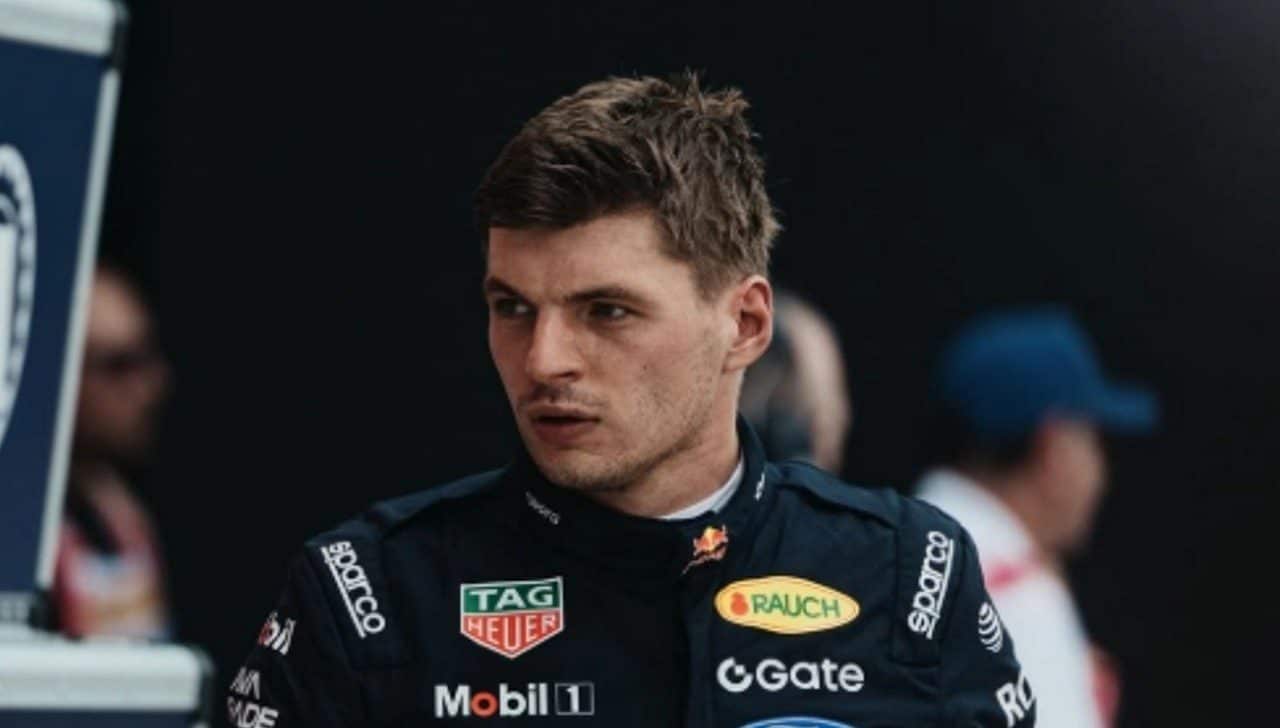
Max Verstappen arrived at the Grande Prêmio paddock from Canadá in Montreal with a renewed perspective on his future in Fórmula 1. The change in tone from the four-time Dutch champion came after engine manufacturers reached an agreement to reduce the weight of electrical energy in power units from 2027, a move that repositions the competitive landscape and alters the Red Bull driver’s plans.
Acordo between car manufacturers changes F1 calculations
The rules for 2027 are not yet finalized in all details, but the understanding between manufacturers about the reduction in the electrical component was enough to transform the assessment of Verstappen. The Dutchman had demonstrated clear dissatisfaction with the technical direction that the category intended to adopt, even going so far as to signal a possible departure if the regulations were not revised. Esse’s positioning generated intense speculation in European paddocks and specialized media about a possible transfer or premature retirement.

The central point of contention revolved around the proportion of electrical energy expected for hybrid engines. The original configuration gave the electrical component a leading role that Verstappen and other names in the paddock considered excessive, making the vehicle’s performance too dependent on electronic systems to the detriment of traditional mechanics.
Technical and strategic Impacto for Red Bull
The revision of the regulation has direct implications for Red Bull, which develops its own engine through Red Bull Powertrains in partnership with Ford. A regulation with lower electrical requirements reduces development complexity and can level the playing field between new entrants and established suppliers such as Mercedes, Ferrari and Renault.
Para the four-time champion, the change represents considerable strategic relief. Seu’s link with Red Bull extends until the end of 2028, but exit clauses linked to the team’s performance have generated recurring speculation about a possible move. With regulations now more favorable to their technical preferences, the probability of Verstappen fully fulfilling the contract has increased significantly.
Elementos key to new regulatory agreement
- Redução of electrical energy: Diminuição of the proportion of electricity in hybrid power units
- Simplificação technique: Menos complexity in electronic systems, favoring traditional mechanisms
- Competitive Nivelamento: Oportunidades fairness for new and experienced providers
- Cronograma approval: Desenvolvimento of engines already underway at the Brixworth, Maranello, Viry-Châtillon and Milton Keynes factories
- Prazo presentation: FIA and Liberty Media should present the final version in the second half of 2026
Contexto expanded from the global energy transition
The review of F1 rules for 2027 reflects a broader movement on the international scene. Fabricantes automotive reassessed the pace of the transition to electrification in the face of market pressures, falling electric sales in key markets and consumer demand for combustion engines. Montadoras like Ford, General Motors and Volkswagen have revised their electrification targets over the past 18 months, signaling global repositioning in automotive energy strategy.
Essa trend is now reflected in Fórmula 1, where the technical debate about the ratio between electric and combustion has gained political and economic weight. Manufacturers recognize that regulation that is overly reliant on electricity could drive away new investors and compromise the commercial viability of F1 programs.
Próximos steps and regulatory consolidation
The FIA and Liberty Media are expected to present the final version of the technical regulations for 2027 in the second half of 2026. The document will consolidate the adjustments negotiated between the manufacturers and define the homologation parameters for the new engines, whose development is already proceeding at an accelerated pace in the Brixworth, Maranello, Viry-Châtillon and Milton Keynes factories. The expectation is that this regulation represents a point of balance between technological innovation and competitive viability for the next decade of Fórmula 1.





