
Xiaomi launches HyperOS 4 system with Liquid Glass design and unifies device interface


Asian manufacturer Xiaomi has officially announced the launch of the HyperOS 4 operating system for the global technology market. The new generation of software introduces a complete aesthetic redesign based on the visual concept called Liquid Glass. The design prioritizes the transparency of the elements on the screen and reduces the load of graphic information. The update replaces the old opaque panels with navigation that simulates depth and continuous fluidity. The company’s Engenheiros had to rewrite several graphics rendering protocols to make the change possible.
The structural change aims to unify the visual identity of the brand’s different product categories. Smartphones, tablets and smart home equipment will receive the data package gradually. The development team has optimized the processing codes to ensure that the new blur effects do not harm battery life. The strategic move puts the company in direct competition with consolidated interfaces in the high-cost device segment.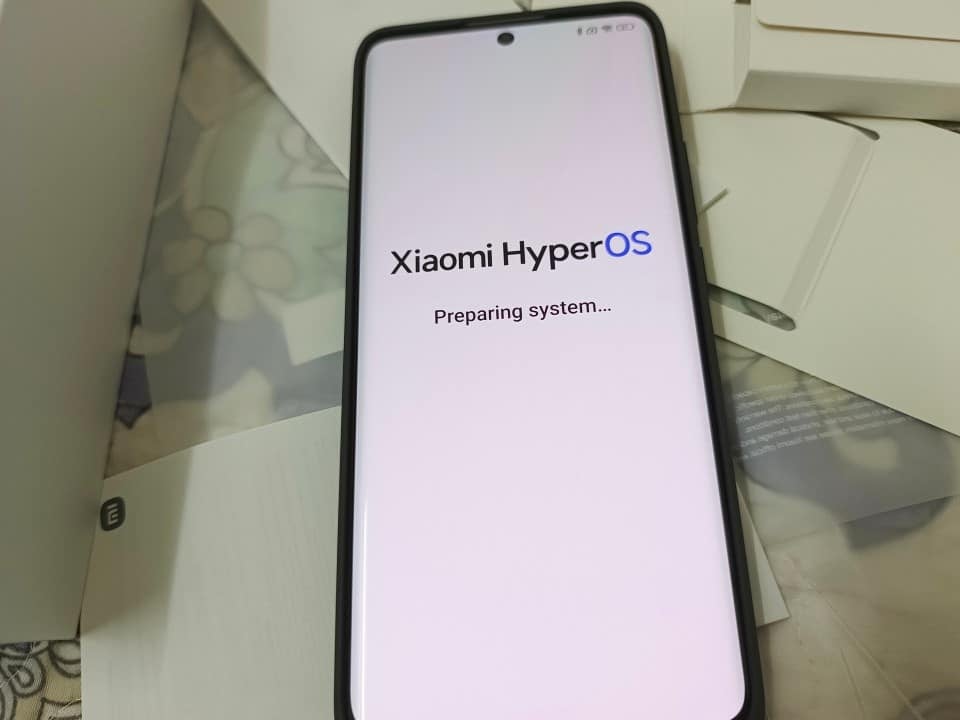
Nova visual architecture and transparency concept
The development of the Liquid Glass interface profoundly changes the way consumers interact with phone menus. Janelas applications, control panels, and configuration shortcuts now function as layers overlaying the background. The operating system applies a real-time dynamic blur filter to the displayed images. The intensity of this transparency automatically adjusts according to the brightness of the environment. The currently open application also influences the level of clarity of the edges.
The system’s primary colors underwent fine saturation adjustments to preserve the legibility of the texts. Native Ícones underwent a rigorous geometric simplification process to match the new proposal. Sombras Heavy artificial features have disappeared from the main interface, creating a much cleaner and more direct visual appearance. The calculated contrast between fonts and dialog boxes ensures accessibility for different user profiles. Condições extremes of external lighting do not affect the reading of information on the screen.
The spatial organization of the home screen presents significant structural changes in this updated version. Widgets weather forecast, clock and media control now occupy modular spaces with softly rounded edges. The spacing between interactive elements has grown to prevent accidental touches during high-speed typing. The central content of each application is immediately highlighted immediately after the device’s biometric unlocking. The visual transition occurs without noticeable stuttering.
Otimização Battery and Hardware Performance
Continuous rendering of transparent panels demands high processing power from graphics units. The engineering team implemented dynamic memory allocation algorithms to support this visual complexity without draining power. The software quickly identifies which areas of the display remain static and pauses frame updating in those sectors. The technique reduces electricity consumption considerably. Aplicativos basic reading and internet browsing benefit directly from these savings.
Modelos entry-level and mid-range phones will receive specifically adapted versions of the software package. Aparelhos with smaller RAM capacity will process a simplified variation of background blur to avoid unwanted crashes. The fluidity of window opening and closing animations remains an absolute priority in all price ranges in the catalog. Testes rigorous thermal stress tests carried out in the laboratory confirmed the stability of the system. Sessões prolonged intense use does not generate overheating of the internal components.
The haptic feedback generated by the internal vibration motor acts in sync with the visual changes displayed on the dashboard. The user feels subtle physical confirmations when dragging translucent menus or confirming actions in settings. The latency between touching the glass and the light response reached the lowest levels ever recorded in the manufacturer’s history. Intelligent background process management prevents slowdowns when quickly switching between heavy tasks. Jogos and editing applications run with maximum stability.
Ecosystem Integração and application adaptation
The aesthetic standardization breaks the boundaries of traditional cell phones manufactured by the Chinese brand. Xiaomi structured HyperOS 4 as a universal platform capable of connecting its entire hardware portfolio. Relógios smart and home control screens will display the same transparency standards seen on smartphones. The transition from a task started on a cell phone to a tablet screen happens with fluid animations. Não loading interruptions exist when switching screens.
Independent Desenvolvedores have already received access to the new updated GUI programming guides. Adapting third-party applications requires restructuring internal menus to natively mirror the translucent design. The company released automated tools to speed up this source code conversion in partner studios. The visual consistency of the entire ecosystem depends on programmers quickly adhering to the new guidelines.
- Implementação of liquid glass layers in configuration menus and control panels.
- Sincronização of visual themes across phones, tablets and smart home equipment.
- Native Ferramentas for adapting external applications to the new translucent graphics format.
- Responsive Animações that follows the speed and pressure of touching the screen.
- Advanced customization Opções for consumers who prefer to stick to traditional layouts.
Direct communication between devices flows via highly optimized local network protocols. Heavy file sharing and monitor extension work natively within the operating system environment. The user quickly identifies which device is connected through an accurate graphical representation on the control panel. The translucent interface facilitates visual mapping of available equipment within Bluetooth range. Redes residential wireless devices also support instant integration.
Cronograma distribution and customization options
The release of the update package will take place in different phases over the next few months. Phones classified as high-end of the current generation form the first priority group for receiving the software. Global distribution depends on technical approval from telephone operators and regional telecommunications regulators. The company’s Servidores will release the download file gradually. The measure avoids congestion in the network infrastructure and guarantees a safe installation.
Proprietários of models launched in the last two years make up the second stage of the official established schedule. The company maintains active public testing programs to track and fix code flaws before final release. Voluntários install preliminary versions on devices and transmit stability reports to the development center at Ásia. Correction of minor interface errors occurs weekly. Pacotes internet security solutions resolve vulnerabilities quickly.
The consumer retains complete freedom of choice regarding the application of the new design on their personal device. The main settings menu has a section dedicated exclusively to reverting to the modern visual theme. Enabling classic mode immediately disables the liquid glass layers and restores the original solid backgrounds. The flexibility suits users who are already used to the old interface. The option also guarantees accessibility for people sensitive to complex or constantly moving visual stimuli.




