

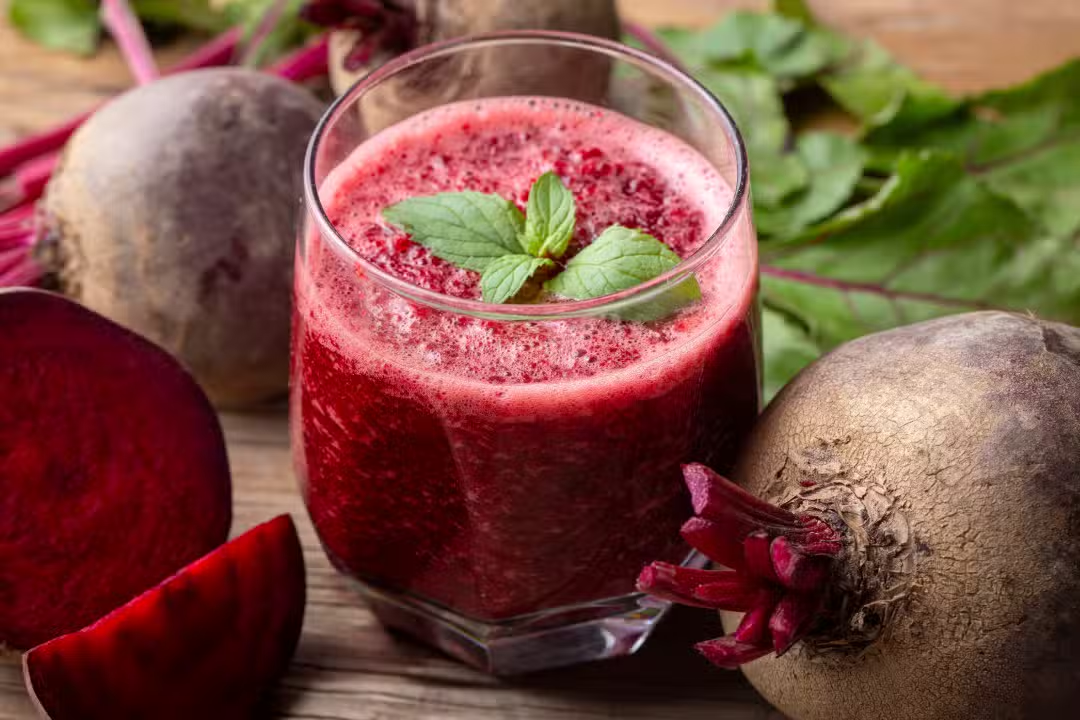
Pesquisadores of Universidade of Exeter found that adults over the age of 60 who consumed beet juice twice a day for 2 weeks experienced a significant reduction in blood pressure. The effect was not observed in younger participants, although the juice altered the oral microbiota of both groups. The study, published in the journal Free Radical Biology and Medicine, is the largest of its kind to examine how dietary nitrate affects oral bacteria and vascular regulation.
The research involved 39 adults under 30 and 36 adults between 60 and 70 years old. Cada group completed two 2-week phases: in one they consumed beetroot juice rich in nitrate; in the other, a placebo version. The researchers used bacterial gene sequencing to map changes in the oral microbiome before and after each condition.
Why the mouth is the key to the process
Nitrate found naturally in vegetables plays a fundamental role in regulating blood pressure. Certas bacteria present in the oral cavity convert nitrate from food into compounds that help in the production of nitric oxide. Este Nitric Oxide allows blood vessels to relax and function properly, essential for maintaining healthy blood pressure.
Quando the balance of oral bacteria changes, the conversion of nitrate to nitric oxide becomes less efficient. The Exeter team found evidence that beetroot juice remodels the oral microbiome in a way that favors this conversion pathway. When analyzing the samples, the researchers found that:
- In older adults, there was a notable reduction in Prevotella, bacteria considered harmful in this context
- Beneficial Bactérias like Neisseria became more abundant in the elderly group
- Young Adultos showed changes in the microbiome, but not in the same patterns
- The older group started the study with higher mean blood pressure
Resposta differentiated according to age
The data revealed an unexpected reality: elderly and young people did not react identically to the consumption of beetroot juice. The older group, which began the study with high blood pressure levels, showed a significant drop after consuming the juice rich in nitrates. Essa reduction did not occur when taking placebo, nor was it observed in younger participants in either condition.
Segundo to Professora Anni Vanhatalo to Universidade to Exeter, elderly people tend to produce less nitric oxide over the years, a reduction that directly affects vascular function. High blood pressure in this age group is linked to cardiovascular complications such as heart attack and stroke. The researcher highlighted that consuming more vegetables rich in nitrates can bring significant long-term benefits in this population.
Alternativas food other than beetroot
Embora Beet juice was the focus of the study, other plants are equally rich in nitrate. Espinafre, arugula, fennel, celery and kale offer the same beneficial compounds. The message is clear: those who don’t like beets have multiple options to obtain nitrate through their diet.
The mechanism of action goes beyond simple nutrition. Beetroot juice not only works for the nutrients it provides, but by altering the microenvironment in the mouth, it facilitates the release and processing of these nutrients. Trata is an integrated process where oral health determines, in part, how the body enjoys nutritional benefits.
Later Estudos reinforce the findings
Subsequent Pesquisas continued to validate the importance of oral bacteria. A clinical trial conducted in 2025 on 15 hypertensive adults found that 4 weeks of beet juice selectively altered the oral microbiome, increasing Neisseria and decreasing Veillonella, while the gut microbiome remained stable. Contudo, this group did not show sustained improvements in blood pressure, demonstrating that the response varies depending on health status and the medications used.
A 2026 pilot study highlighted another critical aspect: Chlorhexidine, a common antiseptic mouthwash, disrupts nitrate processing and reduces gastric nitric oxide synthesis. Pesquisa with animals published in Scientific Reports in 2025 showed that a mouthwash with nitrate and antioxidant favored nitrate-reducing bacteria and was associated with lower blood pressure compared to treatment with chlorhexidine.
Perspectivas for personalized nutrition
Profesor Andy Jones, co-author of the study, said the results pave the way for broader investigations into how lifestyle factors and biological sex influence the response to nitrate supplementation. The findings do not suggest that beet juice replaces blood pressure medications, but they do indicate that nitrate-rich vegetables may complement a heart-healthy lifestyle, especially in older adults.
The results point to a future where nutrition will be more personalized. Duas people consuming the same nitrate-rich foods may react differently, as their oral microbiomes may process nitrate in different ways. Future Pesquisass need to clarify why some people respond more intensely than others, considering age, sex, oral hygiene habits, and baseline differences in the microbiome.
The Dr. Lee Beniston, Diretor Associado of Parcerias with Indústria of BBSRC, highlighted that the research exemplifies how bioscience reveals the complex links between diet, microbiome and healthy aging. By demonstrating how dietary nitrate affects oral bacteria and blood pressure, the study opens up opportunities to improve vascular health through nutrition, uniting academic research and industrial partnership.
The evidence converges on a surprising conclusion: the path to healthier blood vessels may begin not in the heart, but in the mouth.