Estados Unidos’s Congresso is studying the implementation of a $130 annual federal fee for electric vehicle owners. The measure aims to compensate for the fuel tax exemption that these drivers receive, redirecting resources to financing road infrastructure traditionally funded by gasoline taxes.
Official Justificativa and impact on revenue
Supporters of the fee argue that electric vehicle owners should contribute financially to road maintenance, as they do not pay for fuel. The federal government uses gasoline tax revenue to build and repair roads across the country. With the increasing adoption of electric vehicles, this source of revenue is gradually decreasing.
The proposal comes at a delicate time for the sector. The federal government drastically reduced its incentives for the sale of electric cars and cut funding ambitions for expanding the fast charging network. The measure intensifies existing obstacles to mass adoption of the technology.
Questionamentos on proposal fairness
Críticos point out that the rate does not adequately reflect the cost-benefit ratio. The official “fair share” argument ignores environmental and public health factors linked to electric vehicles. Proprietários already pay vehicle taxes, registration and other state fees. The implementation of an additional tax would be disproportionate compared to the collective benefits that reducing emissions provides.
Especialistas highlight that the measure works as a disincentive to choices that directly benefit atmospheric air quality and contribute to mitigating the global climate crisis.
Contexto parallel automotive
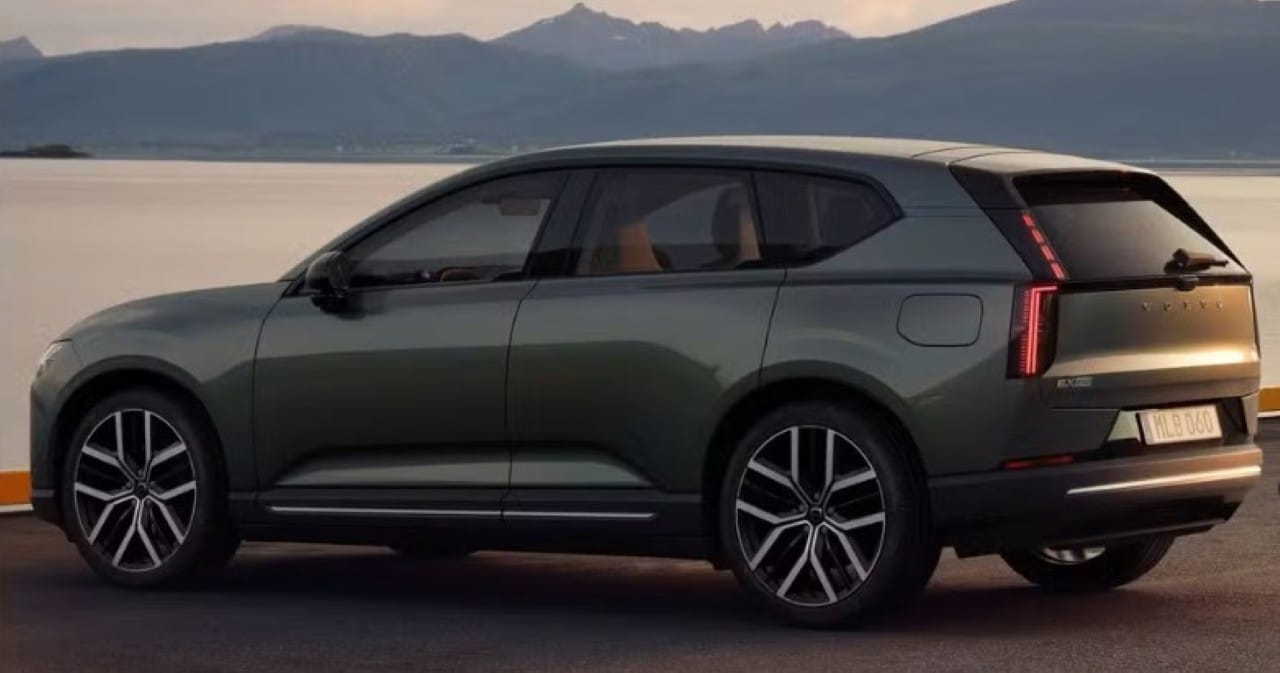
Enquanto o Congresso considers this additional taxation, the automotive industry advances technologically. The Volvo EX60 represents the new generation of electric vehicles, called “Generation 3”, which incorporates software-defined architectures, ultra-fast charging with a capacity of 370 kW and competitive prices with plug-in hybrid versions.
Fabricantes like Volvo, Mercedes and BMW invested early in the electric segment but achieved mixed results in the first attempts. The new models correct previous deficiencies: they are lighter, more beautiful, offer better performance and greater autonomy than their predecessors.
Expanding Charging Infraestrutura
The fast charging network in the country is consistently improving. 350 kW Carregadores have become common in Califórnia, while ABB distributes 400 kW equipment to Walmart stores. The company is also developing megawatt chargers for the near future.
Apesar of technological and infrastructure advances, political and tax obstacles persist:
- Redução of government incentives for the sale of electric vehicles
- Corte in public charger financing programs
- Additional Federal Tax Proposição for Homeowners
- Ausência of adjustment in gasoline taxes since decades
The confluence of good cars and improved infrastructure contrasts with a political climate unfavorable to the energy transition. The proposed fee deepens this dichotomy in the American sustainable mobility market.