
SpaceX plans to launch 1 million satellites and receives criticism for space debris risks

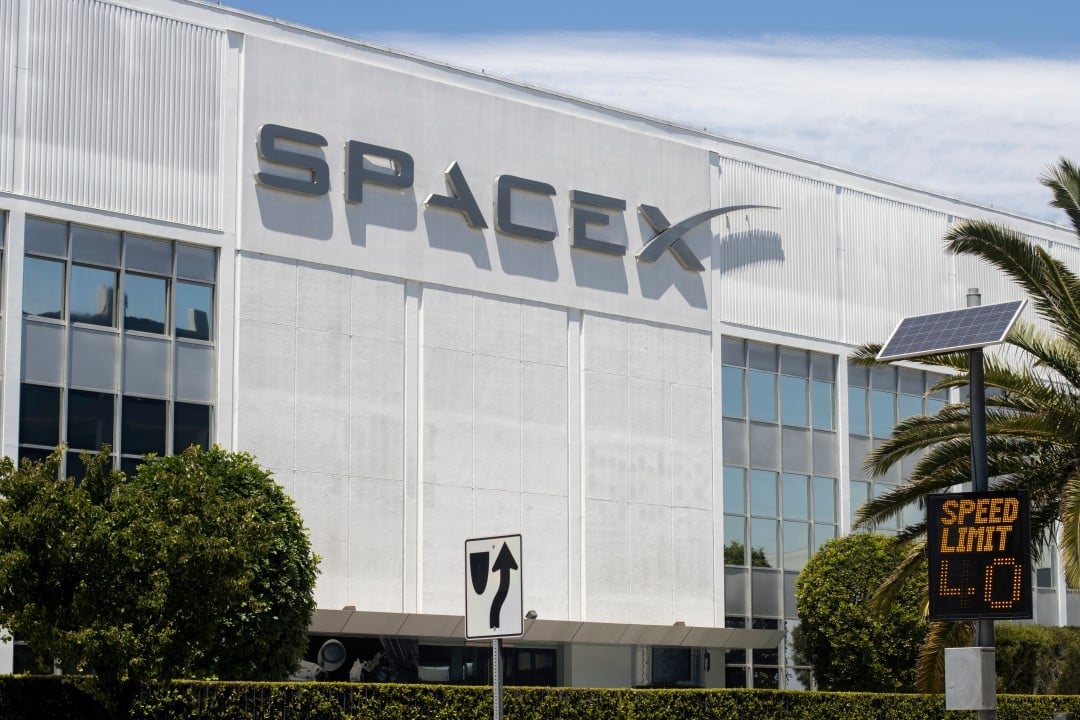
Pesquisadores renowned space agencies warn that space agencies, satellite operators and governments around the world will vehemently oppose Elon Musk’s plan to launch 1 million satellites into Terra orbit. SpaceX’s proposed megaconstellation raised immediate concerns about collisions, space debris and orbital safety on an unprecedented scale.
Brian Hurley, an expert on expanding the modern space industry and national security, projects that Administração Federal’s approval of Aviação from the US (FAA) will face massive resistance. “There will be immediate and vehement opposition from satellite operators, astronomers, insurers, national space agencies, defense organizations and governments,” says Hurley, editor of Canadian digital media outlet New Space Economy.
Cascade Collision Riscos
The most significant risk lies in the possibility of chain reactions of collisions. With 1 million satellites in orbit, even a small failure rate becomes numerically substantial. Hurley exemplifies: “When you have a million satellites, even a small failure rate becomes a significant number in absolute terms. Mesmo that the success rate is 99.9%, this still means that 1,000 satellites will fail.”
An uncontrollable satellite that loses orbital maneuverability can collide with other nearby satellites, generating fragments that exponentially increase the risk of additional collisions. Esse cascade effect, known as Kessler syndrome, may compromise the viability of future space operations.
Perigos in higher orbits
Mesmo launched to orbits higher than congested low Earth orbit, risks remain critical. “If a million satellites were in higher, longer-lasting orbits, it would be much more dangerous than low Earth orbit, because faulty spacecraft and debris could remain there for decades, or even centuries,” highlights Hurley.
The prolonged presence of debris in high orbits amplifies the threat of future collisions and compromises the safety of telecommunications satellites, Terra observation and navigation already in operation.
Fatores increasing crashes
Hurley identifies multiple mechanisms that increase the likelihood of satellites becoming uncontrollable:
- Tempestades intense solar
- Unscheduled software Falhas
- Mau propulsion system operation
- Erros in orbital ephemeris
- Ataques targeted cyber attacks
- Manufacturing Defeitos
- Anomalias during launch
- Degradação normal due to aging
The combination of these factors means that even with strict quality control, failures are inevitable in a constellation of such a large magnitude.
Oposição international wide
Opposition to the plan is not limited to rival geopolitical actors. “China and Rússia are not the only ones opposing each other,” says Hurley. “There is a high probability of opposition from operators on Estados Unidos and Europa, because the risks are not limited to SpaceX, the company proposing the system.”
Operadores American and European satellite operators recognize that a collision involving SpaceX satellites could generate debris that harms their own constellations and orbital infrastructure. Essa’s shared perspective on vulnerability turns the issue into a continental concern, not just between historical adversaries.
Anúncio from Musk and rebound
Amid rumors about SpaceX’s initial public offering, Elon Musk published a message on the company’s official website revealing the plan to build the megaconstellation. Musk declared that the project would drive “a multi-planetary future for humanity”, justifying the ambition with long-term goals for the species.
The tycoon’s publication had an immediate impact on the space industry on all continents. Especialistas mobilized to quantify risks and communicate concerns to international regulators and policymakers.
Próximos regulatory steps
The FAA remains in a critical position as the first regulator capable of authorizing or blocking launches. Agências European space companies, Agência Espacial Europeia (ESA) and private operators have already signaled that they will lodge formal objections to any approval without substantial risk mitigation.
Seguradoras also express concern that liability for damage caused by collisions remains legally ambiguous under international law. The cost of a cascade of collisions could reach billions of dollars in lost active satellites and damage to critical space infrastructure.





