
Leak suggests that Sony’s portable console will have superior graphics capabilities than the Xbox Series S

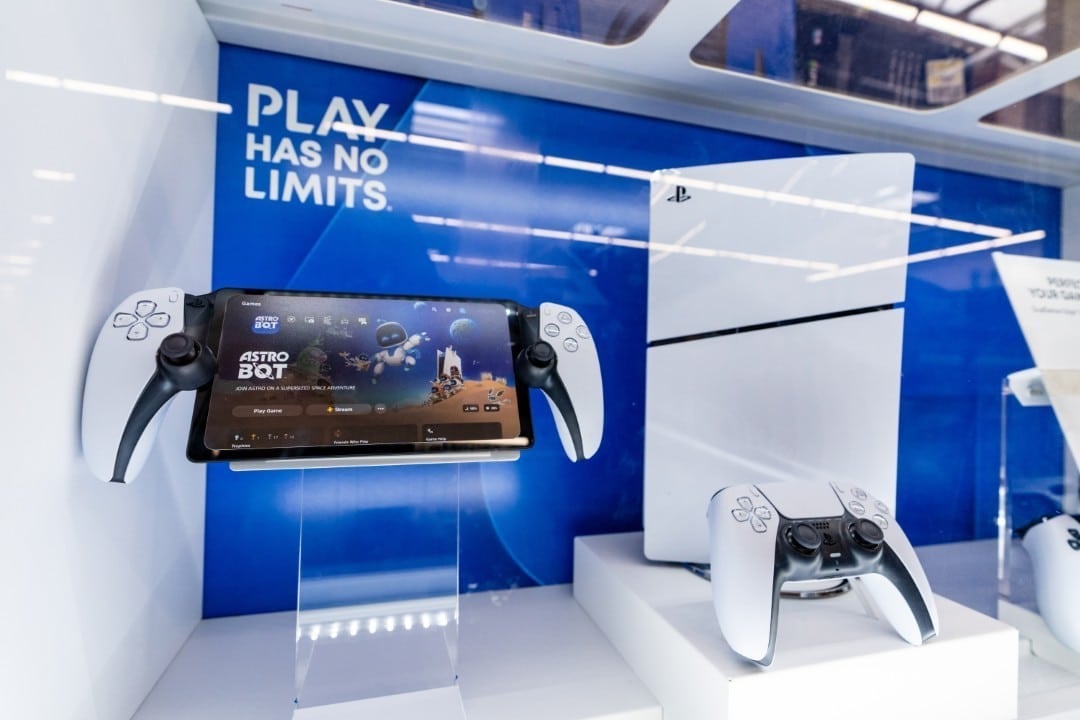
Informações’s recent development of a new mobile console indicates significant advances in processing power. An AMD hardware expert has revealed that the future device associated with the PlayStation 6 features robust technical specifications. The device should deliver better performance than the Xbox Series S in specific graphics metrics. The Japanese company has kept the project under strict secrecy until now.
The leak gained traction on specialized forums after comments from the informant known as KeplerL2. The discussions involve the so-called Project Canis, codename given to the new hardware under development. The manufacturer’s strategy aims to create an integrated gaming ecosystem. The high-performance mobile device market has seen continuous growth in recent years.
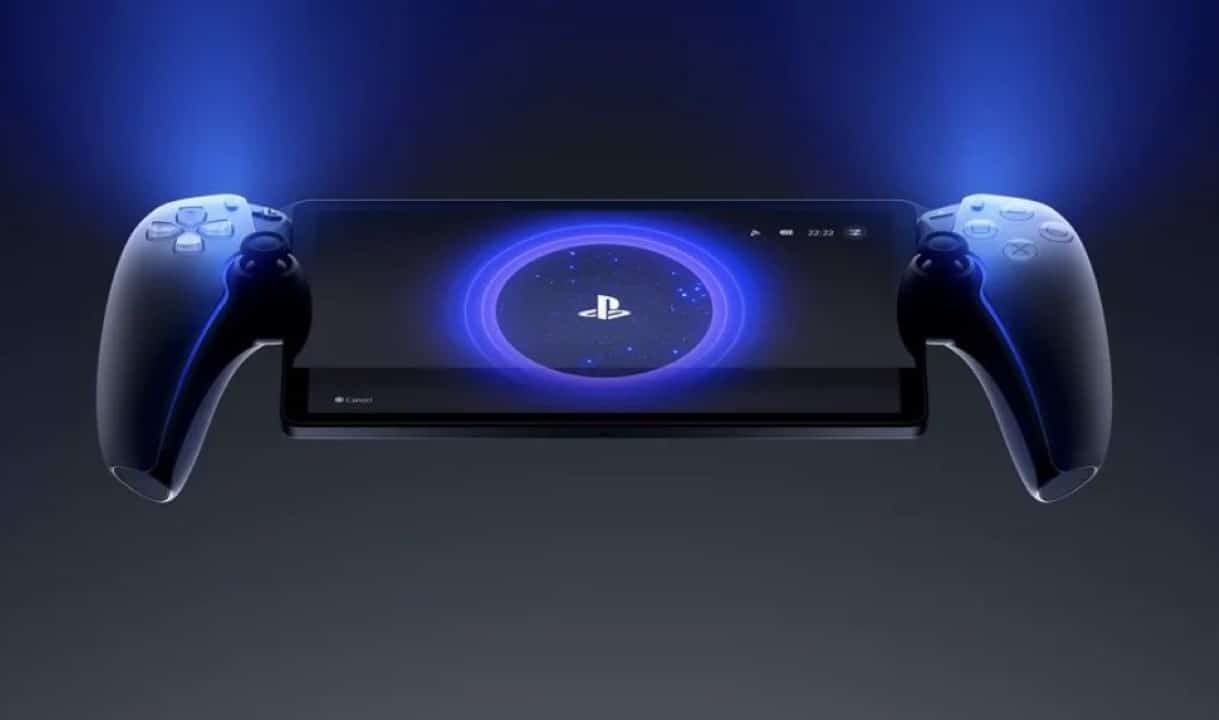
Arquitetura technical and components of the new device
Preliminary data details the internal structure of the equipment designed to run games natively. The leaked configuration indicates the use of a low-power chip manufactured by TSMC. The 3nm lithography process ensures greater thermal efficiency during prolonged use. Essa feature reduces heating and optimizes battery life in sessions away from the socket.
The list of specifications released by the tipster includes state-of-the-art components from AMD. The technical details show the project’s ambition in relation to current competitors.
- Main Processador based on Zen 6 architecture cores.
- Unidade graphics with RDNA 5 architecture and 16 computing units.
- Memória 24 GB RAM in LPDDR5X standard with 192-bit interface.
- TSMC’s 3nm lithography core processor Fabricação.
The amount of RAM installed on the device draws the attention of technology sector analysts. The 24 GB volume far exceeds the standard found in portable consoles available on the current market. Essa capability enables instant loading of complex textures and facilitates quick transition between different applications. The operating system must consume a slice of this memory to keep the interface fluid.
The combination of high-performance cores and energy-efficient cores seeks to balance the delivery of frames per second. The complete hardware requires a compact and silent heat dissipation system. Engenheiros face the challenge of accommodating powerful components in an ergonomic chassis. The RDNA 5 architecture promises leaps in performance per watt consumed.
Desempenho graphic in relation to desktop consoles
The direct comparison with the Xbox Series S establishes a clear parameter for the capacity of the new device. The Microsoft console acts as the gateway to the current generation of tabletop video games. Tipster KeplerL2 claims that the laptop’s graphics unit has a slight advantage over the traditional rasterization process. Esse rendering method defines the formation of conventional three-dimensional images on screens.
The difference in capabilities becomes more evident when applying advanced visual effects. Tecnologias of realistic lighting, such as ray tracing and path tracing, runs more easily on the chip of the future Sony device. Processing these dynamic reflections requires high computational power and tends to penalize the frame rate on less robust hardware. AMD’s updated architecture provides specific accelerator blocks for this function.
The competitive scenario includes expectations surrounding the successor to the Nintendo Switch 2. The hybrid format popularized by the Japanese competitor established a new consumption standard in the industry. The PlayStation 6 line device must support connection to televisions through a dedicated base. The transition from small screen to larger monitors requires automatic adjustments in resolution and power consumption.
Tecnologia image reconstruction and artificial intelligence
Running heavy games in a compact format relies heavily on artificial intelligence-based software solutions. Sony develops proprietary PlayStation Spectral Super Resolution technology to overcome physical hardware limitations. The system, known by the acronym PSSR, works to reconstruct images in real time. The tool renders the game at a lower internal resolution and enlarges the final image with minimal loss of visual quality.
The improved version of this technology, possibly named PSSR 3, will integrate the core of the new portable console. Intelligent upscaling alleviates the workload of the main graphics processor. Essa processing slack allows developers to invest resources in game physics or scenario complexity. Especialistas assess that the Japanese manufacturer’s solution presents competitive results compared to NVIDIA’s DLSS.
Applying PSSR to a mobile device resolves the historical conflict between graphics quality and battery life. The device can maintain stable refresh rates even in scenes with lots of explosions or fast movement. Jogadores that prioritize the fluidity of the experience find direct advantages in using this reconstruction by artificial intelligence. The technology learns visual patterns and improves the sharpness of edges with each frame generated.
Estratégia market and hybrid operating format
Sony’s return to the independent portable console market marks a shift in the gaming division’s recent strategy. The product differs fundamentally from accessories such as the PlayStation Portal, which require a constant internet connection to mirror images. The new equipment processes codes internally and eliminates the use of wireless networks for basic operation. Total mobility attracts consumers who travel frequently.
The Project Canis release schedule should coincide with the arrival of the PlayStation 6 flagship model. Fontes industry experts project the distribution window for the period between the years 2026 and 2027. The simultaneous introduction of two platforms strengthens the brand’s ecosystem and offers entry options at different prices. Desenvolvedoras partners will receive unified programming kits to facilitate the adaptation of titles.
Compatibility with the existing game library represents a crucial factor in early adoption of the hardware. The architecture shared with desktop consoles simplifies the process of converting old software. The manufacturer seeks to avoid the catalog isolation that hampered previous generations of its portable devices. The absence of official communications keeps the specifications in the field of preliminary market analyses.




