

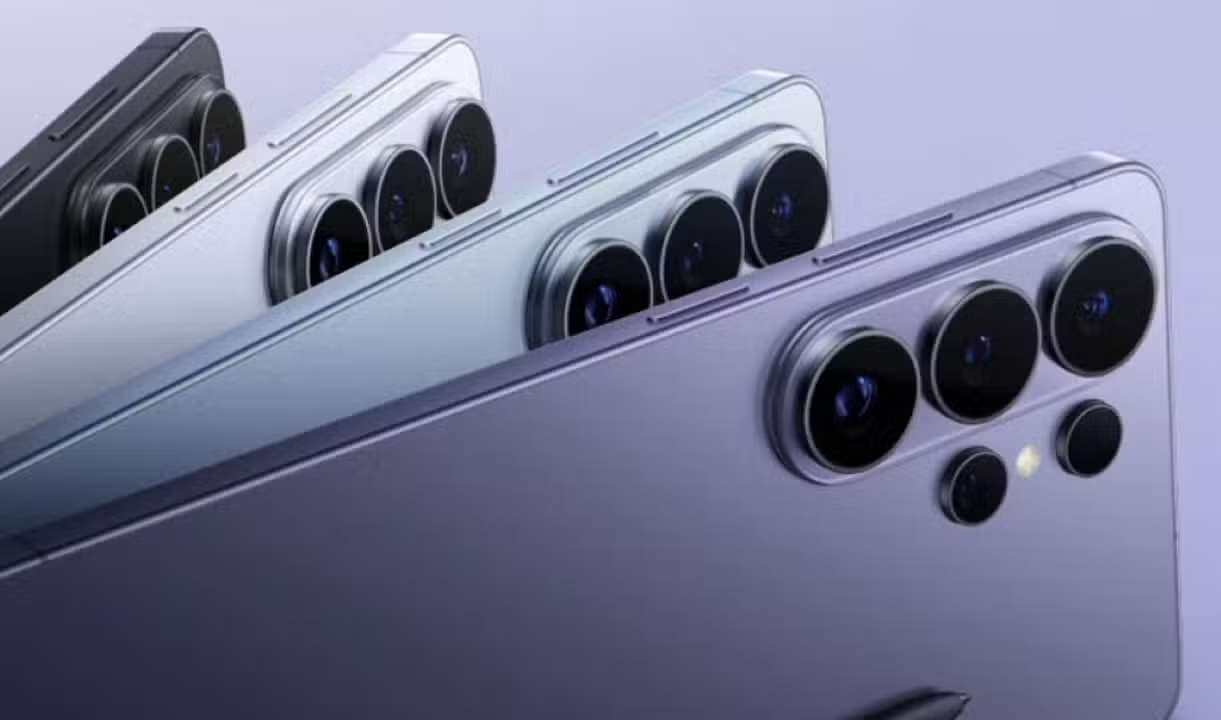
South Korean manufacturer Samsung advances in the development of batteries with a silicon-carbon anode to equip its next generation of premium smartphones. The technology emerges as a direct replacement for traditional graphite-based lithium-ion cells, allowing superior energy storage within the same physical volume. The company’s Engenheiros is currently working to stabilize the internal chemistry of the components before mass production begins. The structural change meets the growing demand for electricity generated by modern processors and artificial intelligence features embedded in recent operating systems.
The Galaxy S27 Ultra model appears as the main candidate to debut innovation in the global mobile phone market. The change resolves a historic bottleneck in the wearable device industry, where high-end devices increasingly require more power to support high-brightness screens and high refresh rates. The adoption of the silicon compound delivers the necessary energy density without compromising the thickness of the equipment chassis. The movement represents the biggest evolution in the brand’s power hardware in recent years.

Fim of the physical limit imposed by the use of graphite
The central advantage of silicon lies in its high ionic retention capacity during power cycles. The material is able to house a significantly greater amount of lithium ions during the charging process compared to the current industry standard. Essa physical characteristic translates into batteries that last longer away from the socket, supporting the consumption of high-performance components. The main technical challenge involves the material’s behavior under continuous electrical stress, as the molecular structure needs to withstand the intense flow of energy without losing its original conductive properties.
Durante years, Samsung kept the capacity of its flagship phones stagnant at the 5000 mAh mark. The limit existed precisely due to the physical barrier of graphite, as exceeding this value would require thicker and heavier phones to accommodate larger cells. The transition to carbon composite changes this industrial design equation definitively. Fabricantes gain freedom to redistribute internal space and optimize the total weight of the equipment, maintaining the ergonomics expected by premium category consumers.
Engenharia from Samsung SDI focuses on thermal stability
The Samsung SDI division leads experiments in Asian laboratories to make the new energy architecture viable. Initial Protótipos tested by the company showed accelerated degradation rates after repeated charge and discharge cycles. Silicon tends to physically expand when it absorbs ions, and this expansion caused microcracks in the battery’s internal structure. The rapid loss of useful capacity made it unfeasible to launch the technology on previous generations of smartphones. The research team had to redesign the component matrix from scratch to overcome the expansion of the material.
Pesquisadores implemented profound modifications to the storage cell architecture. The use of new polymeric separators and advanced stacking techniques has reduced internal mechanical wear. The goal established by the quality team requires absolute long-term stability, with tests that simulate years of intense use in a few weeks in the laboratory. Documentos engineers point out fine adjustments to the power management firmware, which works in conjunction with the hardware to monitor temperature and voltage in real time.
The approval criteria for the new technology include strict structural durability and energy efficiency parameters:
- Suporte guaranteed for up to 1500 complete electrical recharge cycles.
- Manutenção of the device’s slim profile without swelling of the internal component.
- Controle strict thermal during high speed charging.
Protocolos security and extreme testing in the laboratory
The brand’s conservative stance reflects lessons learned from past incidents involving energy security in mobile devices. Enquanto Asian competitors already sell phones with similar batteries, the South Korean giant prioritizes the absolute reliability of the system. The validation process includes direct drilling tests, exposure to extreme environmental temperatures and high-force mechanical impact simulations. Nenhuma unit advances to assembly line without unanimous approval from company safety auditors.
Precise integration between software and hardware prevents overheating during intense sessions of prolonged use. Strict thermal control ensures user safety and the integrity of adjacent circuits located on the motherboard. The intelligent system cuts the energy flow at the exact moment to preserve the useful life of the silicon-carbon cells. Communication between the wall charger and the phone’s internal chip occurs in fractions of a second, adjusting the voltage according to the equipment’s current needs.
Autonomia extended and internal design changes
The successful implementation of silicon-carbon changes the daily usage dynamics of premium smartphone owners. Active screen time receives a substantial increase, directly benefiting media consumption. Usuários who watch high-resolution videos, use constant GPS navigation or play heavy games immediately notice the difference in their routine. The need to charge external batteries or look for sockets in the middle of the afternoon decreases drastically. The consumption generated by continuous 5G connections is also mitigated by the extra energy reserve provided by the new chemistry.
The efficiency gain extends to the storage component power supply process. The new composition supports more aggressive loading curves without compromising the integrity of the internal cells. Embora the exact power values in watts still remain under industrial secrecy, the expectation points to significantly shorter recharge times. The space saved by the denser battery opens the door to other crucial hardware improvements in the Galaxy S27 Ultra.
Engenheiros can use the extra millimeters in the chassis to install cameras with larger optical sensors. Outra technical possibility involves the application of cooling systems based on more robust and efficient vapor chambers. The balance between weight, thickness and performance reaches a new level in the high-cost mobile device category. The exterior design remains sleek and slim, while the interior houses considerably more powerful electronics.
Movimentação from Asian market to launch in 2027
The global telephone market is following an intense technological race for the energy autonomy of devices. Chinese Marcas introduced preliminary versions of silicon batteries in recently launched foldable and high-end devices. Samsung’s entry into this specific segment validates the technology and puts pressure on other giants in the sector to abandon traditional graphite. The South Korean company’s production scale has the power to lower component costs globally. The supply chain adjusts its operations to meet this new emerging industrial standard.
The industrial schedule points to the official announcement of the Galaxy S27 family in the first months of 2027. The months leading up to the launch event are used for the final calibration of the automated assembly lines. Fornecedores of raw materials are already preparing the increase in the extraction and refining of the compounds necessary to meet the demand projected by the manufacturer. Contratos exclusivity guarantees the uninterrupted supply of critical materials to the factories located in Ásia.
The exact nominal capacity of the component that will reach store shelves depends on the results of the last technical certification phase. The manufacturer’s priority is to deliver a consistent, long-lasting and safe product for daily use. Consumidores from the premium segment value the longevity of the equipment purchased compared to the high financial investment. The new energy architecture directly meets this requirement of the global consumer market. The definitive transition to silicon-carbon marks the beginning of a new phase in the engineering of high-performance portable devices.