
4-decade study shows that the Sun accelerates the fall of space debris to Earth

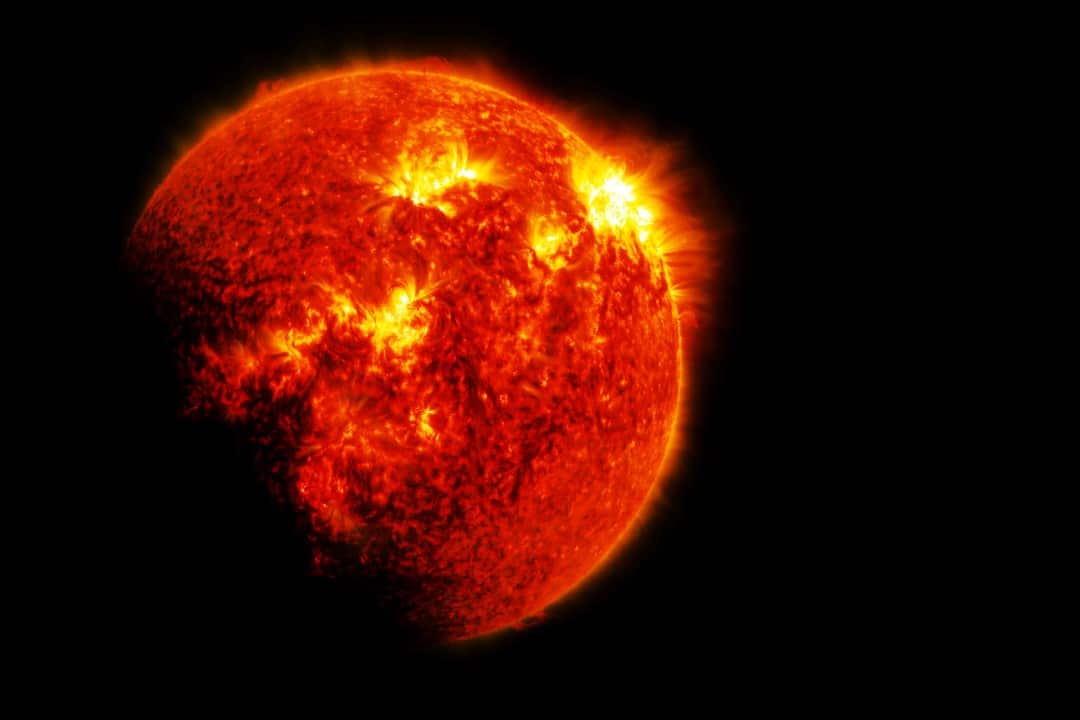
Pesquisadores of Centro Espacial Vikram Sarabhai and Instituto Indiano of Ciência and Tecnologia Espacial analyzed 4 decades of orbital records and found that periods of increased solar activity accelerate the re-entry of space debris into Earth’s atmosphere. The study, published in the journal Frontiers in Astronomy and Space Sciences, tracked 17 space objects over almost 40 years, spanning 4 consecutive solar cycles. The discovery is relevant at a time when Terra’s low orbit faces increasing congestion from inactive satellites and objects.
The researchers’ analysis indicates that Sol plays a more significant role in low-Earth orbit cleanup than previously thought. Previous Trabalhos have linked orbital decay to changes in solar conditions, but this innovative study focuses on the long-term behavior of the debris rather than short periods of operation. Extreme ultraviolet radiation (EUV) has emerged as the strongest effector identified in research.
The observation period and selection of objects
The researchers started with 95 candidate objects drawn from the Space-Track catalog, maintained by Comando of Defesa Aeroespacial of América of Norte (NORAD). Após narrowed the sample to debris suitable for extended analysis, selected 17 objects for detailed monitoring. Entre was Explorer 7, one of the oldest records in the catalog, identified with the number 22.
The choice of debris over active satellites was deliberate. Debris offers a more reliable way to study natural orbital decay, as working satellites often neutralize atmospheric effects through onboard systems. Isso allowed scientists to isolate the direct influence of solar variations on the reentry process.
Como solar cycles affect orbit
Solar cycles are periods of variable solar activity that occur from one maximum to the next approximately every 11 years. Durante the active phases, the number of sunspots increases and solar emissions intensify, expanding the Earth’s upper atmosphere. Essa expansion increases atmospheric drag on orbital debris.
The observation period covered solar cycles 22, 23, 24 and reached cycle 25. The researchers tracked how each cycle influenced the trajectory of the 17 selected objects. The data revealed a persistent pattern: during peaks of solar activity, orbital decay accelerated significantly.
Radiação extreme ultraviolet as the main mechanism
Extreme ultraviolet radiation (EUV) stood out as the dominant effector in accelerating orbital decay. Embora Although the influence of solar activity on satellite drag was long recognized, its long-term role in the orbital degradation of space debris remained insufficiently explored. Este study quantified this relationship with unprecedented precision.
The researchers observed that EUV radiation heats the upper thermosphere, leading to a significant expansion of the atmosphere. Essa expansion increases aerodynamic drag on debris, accelerating its fall. The correlation between peaks of EUV radiation and accelerated re-entry rates was consistent across the 4 solar cycles analyzed.
Implicações for the future of space
Data collected over nearly 40 years provides a solid foundation for understanding the long-term dynamics of orbital debris. The rapid expansion of the space sector and the exponential growth of the space debris population have made it essential to understand the factors that drive orbital decay. Commercial Satélites, fragments from old missions and debris from orbital collisions increase the risk of debris cascades.
The study shows that solar influence provides a natural cleaning mechanism for low Earth orbit. Contudo, this process depends on solar cycles and is not controllable. Understanding this relationship allows space agencies to make more accurate projections about the permanence of debris in orbit.
Dados and study methodology
- 17 monitored space objects
- Período analysis: almost 40 years
- Ciclos solar panels analyzed: 22, 23, 24 and 25
- Fonte data: NORAD Catálogo Space-Track
- Principal identified mechanism: extreme ultraviolet radiation
- Intervalo of solar cycles: approximately 11 years each





