

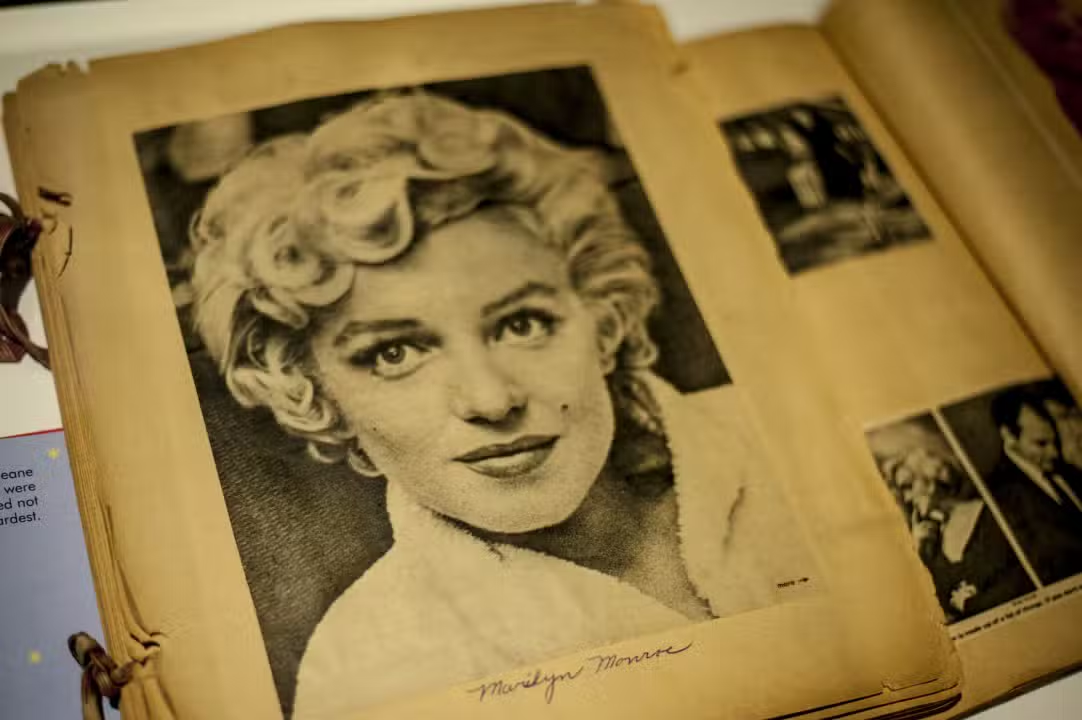
A company actively commercializes Marilyn Monroe’s legacy, transforming the actress’s memory into high-value products. The strategy keeps the cultural figure relevant while generating significant revenue through the sale of authentic memorabilia and collectibles.
Memorabilia on display moves the market
A set of 7 Marilyn Monroe enamel ornaments, 5 inches tall, are on display in preview of the Bonhams & Butterfields “Legends and Deusas” entertainment memorabilia auction at Los Angeles. The items feature fabric details, rhinestones and other three-dimensional elements that add value to collectible objects. Essa preview exhibition represents a market strategy to attract collectors from all over the world interested in artifacts related to the actress.
The auction brings together pieces of entertainment that capture different periods of Monroe’s career, from his rise to stardom to his consolidation as a cultural icon. Cada item selected for sale undergoes rigorous curation to ensure authenticity and historical relevance to buyers.
Múltiplas identities that shaped a brand
Marilyn Monroe’s trajectory created several public characters that fuel contemporary business. In the 1940s, a young actress born Norma Jeane Mortenson changed her common name to “Marilyn,” which she described as a “veil” she could wear. Essa’s initial transformation marked the beginning of a strategy of reinvention that would be repeated throughout his life.
Hollywood built the sex symbol Marilyn, while the press created other parallel versions:
- The jovial Marilyn who called her first husband “daddy”
- Political Marilyn, singer who performed for the president (and possibly maintained a relationship with him)
- The literary Marilyn who read Dostoiévski and married Arthur Miller, a renowned playwright
- The tragic Marilyn who died in 1962, aged 36, from an overdose
Cada identity has generated distinct narratives that remain alive in contemporary pop culture and fuel collecting interest. Essa Monroes’s multiplicity facilitates marketing across different market segments, from classic film fans to cultural history scholars.
Rentabilidade from artistic heritage
Monroe’s untimely death in 1962 cemented his status as an immortal icon. Diferentemente of celebrities who age and see their relevance diminish, Monroe remains frozen at their peak age in collective memory. Isso creates evergreen commercial opportunity for owners of their authentic image and memorabilia rights.
Collectibles associated with Monroe fetch high prices at specialized auctions. Global demand for these objects remains consistent among institutional collectors, museums and private enthusiasts. Bonhams & Butterfields, a prominent international auctioneer, specifically selected items from Monroe for its premium sales category, indicating robust commercial value.
The business model takes advantage of nostalgia, the fascination with classic Hollywood and the contemporary collecting culture. Empresas who control these assets ensure a continuous flow of revenue by managing exhibitions, auctions and merchandising associated with the actress’s name and image.
Relevância cultural versus commercialization
Monroe’s cultural maintenance strategy differs from simple commercial exploitation. By curating exhibitions at recognized institutions and promoting authentic auctions, the companies involved reaffirm Monroe’s historic status in cinema and popular culture. The pieces on display function as artifacts documenting his life and career, not just as products for sale.
Essa dual approach—cultural preservation and monetization—creates narrative that satisfies scholars and investors alike. Museums and private collections preserve the historical memory of Monroe while generating revenue to ensure the enterprise remains financially viable over the long term.