Comparison between OPPO Find X9 Ultra and Xiaomi 17 Ultra reveals winner in photography

The OPPO Find X9 Ultra and Xiaomi 17 Ultra dominate the premium smartphone market with camera systems that rival professional equipment. Ambos devices cost over 1,500 euros and offer photographic versatility rarely seen on mobile phones. A direct test of the two devices revealed which one really stands out in capturing images in different conditions and distances.
Embora are not officially available in Estados Unidos, these two devices represent the peak of today’s mobile technology. The comparison involved side-by-side shooting in varying scenarios, from daylight photography to long-distance capture, exposing clear differences in each manufacturer’s hardware and processing approaches.
Especificações reveal distinct strategies
The OPPO Find X9 Ultra mounts a 200-megapixel main sensor at an f/1.5 aperture, capable of capturing more light in low-light conditions. Já o Xiaomi 17 Ultra uses a 1-inch sensor with 50 megapixels, which should theoretically capture more light due to its larger size. Essa fundamental difference sets the tone for the entire comparison.
In the zoom section, the two phones follow completely different paths:
- OPPO: Câmera fixed zoom at 70mm (3x) with 200MP + additional 10x camera with 230mm focal length
- Xiaomi: 70-100mm variable Zoom (3.2x-4.3x) with 200MP sensor, no dedicated fourth camera
- Ambos: Câmeras 50MP selfie with autofocus capabilities
- Ultrawide: OPPO with 1/1.95-inch sensor versus Xiaomi with smaller 1/2.78-inch sensor
OPPO’s strategy favors versatility through dedicated hardware, while Xiaomi focuses on software optimization and optical flexibility with fewer physical sensors.

Câmera Core Exposes Differences in Processing Philosophy
Ambos phones master capture with the main camera. OPPO’s 200MP sensor packed into a 1/1.12-inch chassis competes very well against the Xiaomi’s 1-inch sensor. Nas images side by side, the most notable differences appear in the color treatment and exposure balance.
OPPO, using Hasselblad color science, tends to favor warmer tones and more vibrant color saturation. Isso is especially evident in blues and reds, where OPPO’s images look more vivid and attractive. The Xiaomi, with its Leica Authentic setting, takes a more neutral and restrained approach, producing results that look more natural but occasionally understated in brightness.
HDR processing clearly distinguishes the two devices. OPPO applies a more aggressive HDR effect, resulting in deeper sky colors and fewer highlights clustered at the top of the exposure curve. Xiaomi, in turn, uses a smoother HDR effect that maintains greater dynamic contrast and depth in shadows. Essa choice significantly affects the aesthetic appeal of the final photos.
At 100% detail, the OPPO appears noticeably sharper. Sua stronger sharpening passes make distant details stand out, although this introduces some grain and brightness flickering. The Xiaomi produces smoother, more natural images, retaining details that hold up well to close examination, but with a little more visible noise.
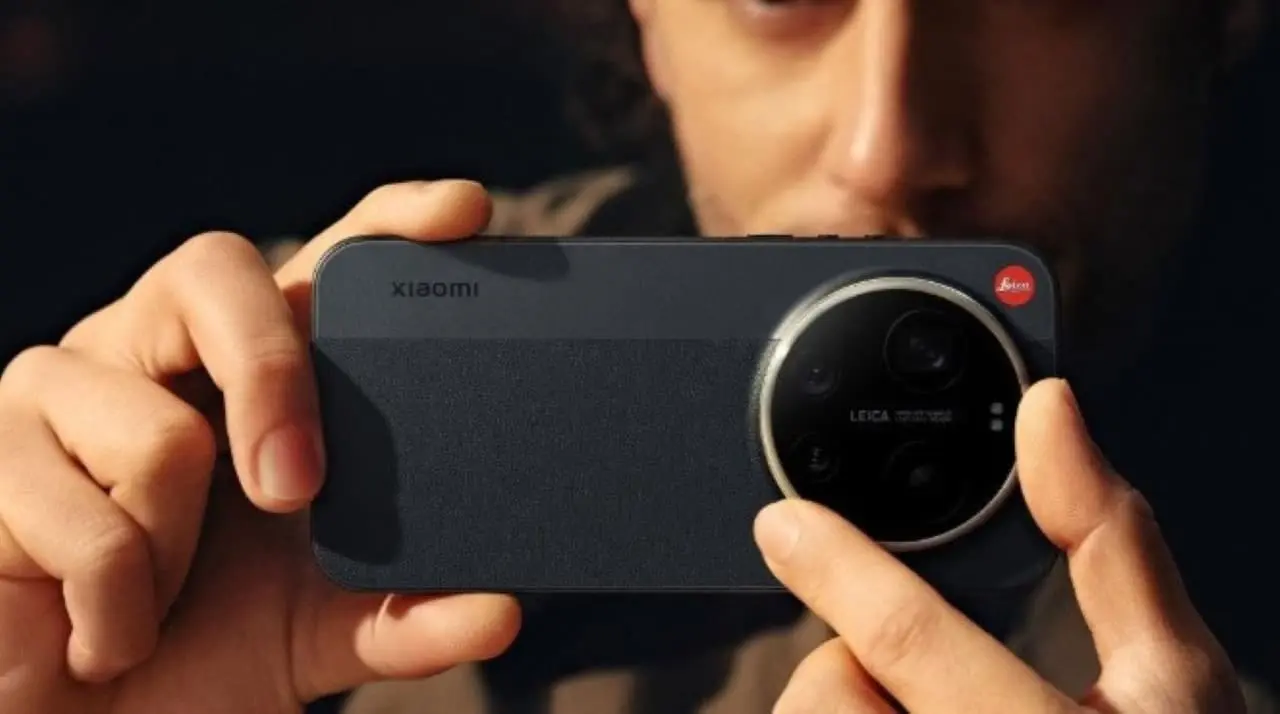
Câmera ultrawide reveals unexpected weakness
OPPO’s ultrawide camera has a significantly larger sensor than the Xiaomi, but this doesn’t result in better overall quality. OPPO displays brighter exposure in the ultrawide while maintaining detail in the shadows through its aggressive HDR approach. In complex forest scenes, this processing shows individual branches and bark texture with stunning clarity.
Porém, OPPO’s ultrawide camera suffers from noticeable lens distortion. Visible chromatic Aberração appears as purple and red halos at the edges of images, particularly around tree branches, chimneys, and windows. The corners also have more pronounced blur. The Xiaomi offers a slightly wider field of view and produces significantly cleaner images, without the chromatic aberration issues that plague the OPPO.
Essa is a surprising victory for the Xiaomi in a category where OPPO has clear advantages in hardware specifications. The software implementation of the Xiaomi compensates for the smaller sensor through better optics and more conservative processing.
Câmeras 200MP telephoto sets new standard
The 200MP telephoto cameras on both devices represent the real highlight. Large Sensores combined with wide apertures produce lush natural bokeh. OPPO maintains its signature more vibrant colors and brighter exposure by scaling these adjustments according to the scene. The Xiaomi remains more reserved, preserving shadow depth and subtle HDR.
In portraits, the features differ notably. OPPO’s more vibrant approach brings human faces to life, preserving detail in facial features while avoiding clipping in bright areas. The Xiaomi opts for a flatter look on human faces, which helps protect natural tones, but can look worn in bright light. Ambos achieve exceptional precision in bokeh edges, relying more on natural depth than synthetic blur.
In close-crop details, the OPPO produces marginally cleaner details at 3x telephoto. Xiaomi appears to rely on multiframe upscaling that introduces noticeable halos around edges, such as text in labels. OPPO doesn’t apply as much oversharpening, resulting in more natural images overall.
Zoom extreme reveals clear winner
In the 10x range, the Xiaomi can compete using “lossless” cropping from its 200MP sensor. Isso produces details that come very close to what OPPO’s dedicated 10x camera captures. The Xiaomi achieves clean flower macro shots and long-distance portraits that rival the OPPO.
Porém, at much greater distances, OPPO’s dedicated 10x camera moves away significantly. At 20x, OPPO’s camera maintains superior clarity, avoiding excessive oversharpening and noise present in Xiaomi shooting at the same distance. OPPO’s natural depth and background compression create a mirrorless aesthetic that’s impossible to replicate through upscaling.
At 30x, Xiaomi relies on artificial intelligence upscaling, revealing countless hallucinations and reimagined details that fail under close inspection. Sebes and treetops show clear artifacts. The OPPO produces soft but natural details at this extreme magnification. Essa hardware advantage gives OPPO superior shooting flexibility that Xiaomi cannot match.
Conclusão final: Diferentes markets, different philosophies
The OPPO Find X9 Ultra offers superior versatility through dedicated hardware and processing that makes photos ready for publication without additional editing. Sua’s deeper color saturation and increased sharpness aren’t harsh, bringing portraits to life so that the Xiaomi’s images look pale in comparison. The 3x larger telephoto sensor and 10x periscope camera give you a significant advantage at medium and long distances.
The Xiaomi 17 Ultra offers an experience closer to a professional mirrorless camera. Sua consistent shadow depth, reserved color saturation, natural detail and lack of distortion at ultrawide create an incredibly consistent camera kit. Porém, the tendency toward flatter colors and occasional underexposure may require more frequent post-capture editing.
Ambos devices deserve recognition as some of the best camera phones ever produced, offering photographic quality that rivals traditional equipment.