
Google’s new Fitbit Air brings predictive health assistant and intensifies competition in the watch sector

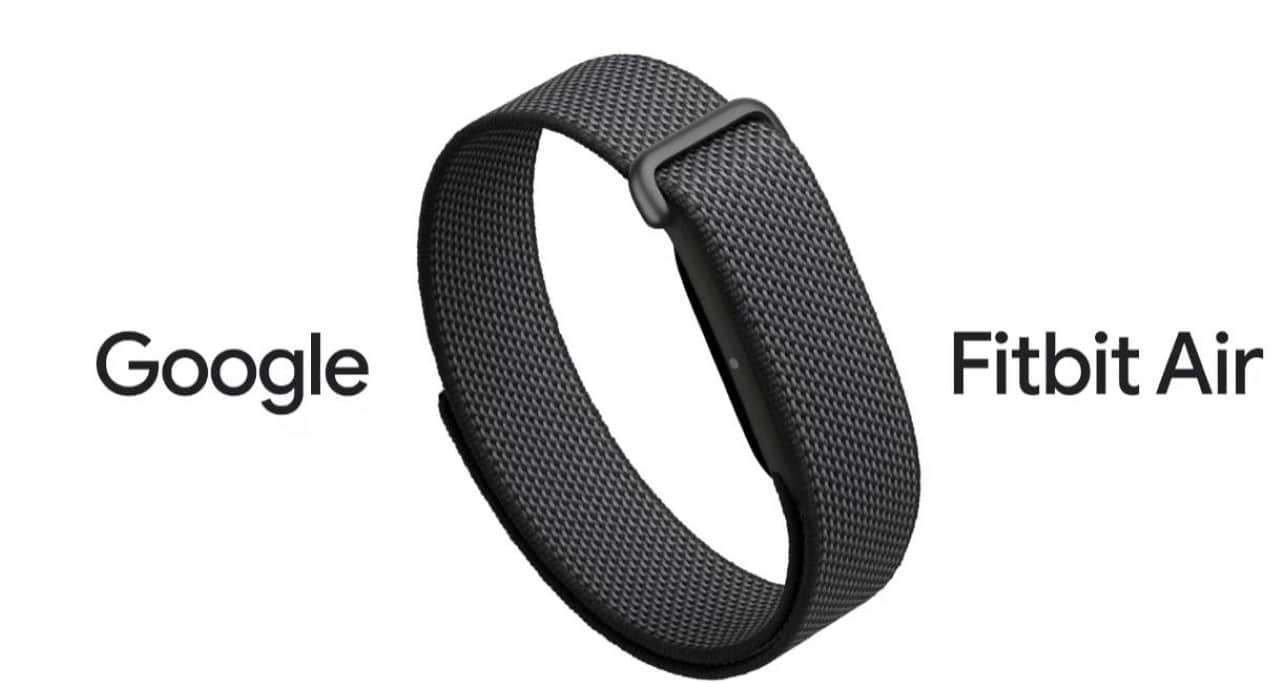
Google has officially announced the launch of Fitbit Air, a new wearable device focused on advanced body metrics monitoring. The smart watch hits the international market with a suggested price of US$100 and its main attraction is an integrated health assistant powered by artificial intelligence. The manufacturer is betting on the combination of continuous tracking of physical activities with predictive well-being analyzes to attract consumers looking for accurate data without the need to invest in high-cost equipment.
The strategic move positions the new product on a direct collision course with already established brands in the premium fitness tracker segment, especially the Whoop. The company seeks to democratize access to muscle recovery analysis and sleep monitoring tools, features that previously required monthly subscriptions or the purchase of significantly more expensive hardware. The launch marks another step in the integration of technologies acquired by the search giant for the development of its own digital health ecosystem.
Especificações techniques and design of the new device
The Fitbit Air maintains the line’s characteristic visual identity, prioritizing a minimalist and functional design for continuous use during the day and night. The front panel features a 1.3-inch AMOLED screen, designed to offer high visibility even in direct sunlight. The structure of the watch uses an anodized aluminum chassis, a material chosen to guarantee durability against daily impacts. The equipment weighs 29 grams, a feature that aims to provide comfort during sports and rest periods. The construction also ensures water resistance at depths of up to 50 meters.
Power management puts up competitive numbers for the compact smartwatch category. The internal battery provides an autonomy of up to seven days of conventional use on a single charge. Operating time is reduced to four days when the user chooses to keep the artificial intelligence assistant activated continuously. The variation occurs due to the constant processing of biometric data required by the background predictive algorithms.
The hardware suite includes a series of components aimed at data collection accuracy. The onboard sensors include an accelerometer, gyroscope, multiband optical heart monitor and a sensor dedicated to measuring blood oxygenation. The device’s connectivity supports the Bluetooth 5.3 and Wi-Fi 6E standards, ensuring stability in the transfer of information to the paired smartphone. The watch also features NFC technology for making mobile contactless payments. The 8GB internal storage makes it possible to sync music offline and install native apps without constantly relying on your phone.
Integração artificial intelligence in daily monitoring
The technological difference of the equipment lies in the Fitbit AI Coach, an exclusive algorithm developed to interpret the massive volume of data generated by the user. The system continuously analyzes sleep patterns, resting heart rate, heart rate variability and daily physical activity level. The software processes this information in real time to deliver personalized recommendations. The guidelines range from the time needed for muscle recovery to the ideal intensity for the next workout.
The development of the artificial intelligence model was based on the processing of anonymous data from more than two million users of the Fitbit platform. The broad sampling frame allowed engineers to calibrate the system to deliver accuracy across different demographic groups and varying fitness levels. The assistant adapts its responses according to each person’s individual history.
- Predições of body energy level up to three days in advance.
- Automatic Alertas for detecting anomalies in the heartbeat pattern.
- Sugestões hydration and nutrition based on recorded biometric metrics.
- Integração direct with Google ecosystem health apps such as Google Fit and YouTube Fitness.
- Sincronização with Google Calendar to optimize exercise window scheduling.
Communication between the watch and the user’s calendar represents an attempt to insert the exercise routine into the work dynamics. The system identifies free spaces in the daily routine and suggests blocks of physical activities compatible with the energy level predicted for that specific moment of the day.
Posicionamento market and direct competition
The competitive landscape for wearable devices presents clear divides in price and functionality. The Whoop leads the niche of premium trackers focused on pure sports performance. The competitor operates on a financial model based on $30 monthly subscriptions or a one-time $500 purchase. This rival’s main focus is on deep recovery analytics and overtraining detection. The Fitbit Air enters the market offering a more inclusive approach to pricing, delivering similar predictive functions to a broader audience.
Traditional smart watch options occupy higher price ranges and focus on communication features. The Apple Watch Series 9 starts at US$399, while the Samsung Galaxy Watch 7 hits stores for US$299. Ambos devices deliver complex software ecosystems, deep integration with their respective smartphones, larger screens and complete interfaces. The Fitbit Air fills a specific gap between the simplicity of use of a fitness band and advanced artificial intelligence data processing capabilities.
Google’s commercial strategy seeks to consolidate the company’s position in the global digital health segment. The corporation already operates in the area through the Google Health division and maintains research partnerships with renowned medical institutions, such as Mayo Clinic. The new watch represents the third generation of products in the line developed after the definitive absorption of the Fitbit brand by Google, a process completed in 2021.
Certificações medical and user data security
The accuracy of the new equipment’s sensors underwent validation processes by international regulatory bodies. The device received CE certification, which certifies the Conformidade Europeia for commercialization on the continent. Nos Estados Unidos, the device has obtained FDA approval as a class II medical device. The classification allows the heart rate monitoring carried out by the watch to be used for preliminary diagnostic purposes by healthcare professionals. The internal software has also been tested in independent laboratories to ensure compliance with the IEC 60601-2-47 standard regarding the electrical safety of medical equipment.
The system’s privacy architecture establishes strict rules for the traffic of sensitive information. The user’s biometric data remains synchronized with the Google Play Services, but detailed training records are stored locally on the device by default. Consumers have the option to activate continuous synchronization with Google Cloud, a process protected by end-to-end encryption. The company’s updated privacy policy ensures that artificial intelligence algorithms do not share raw health data with third-party companies or advertisers.
Disponibilidade global and sales projections
The launch schedule establishes the start of official sales for June 1st in 45 countries simultaneously. Brasil is part of the list of markets selected for the first distribution phase. In the national territory, the price of the equipment was set at R$520, a value that maintains exchange rate proportionality in relation to the original cost. Pre-orders for the product began on May 26th through the official Google Store website.
The options catalog includes three main colors for the watch case: Midnight Black, Cloud White and Sage Green. The manufacturer also offers additional interchangeable bracelets for US$25 each. Como incentive for adoption of the complete ecosystem, customers who activate the Fitbit Premium service subscription during the first three months of use receive a 40% discount on the annual plan. The promotion reduces the cost of the service to $60 for a 12-month period.
Preliminary technical evaluations published by specialized media highlight the accuracy of the heart sensor and the energy efficiency of the processor as the main strengths of the hardware. Initial criticisms focus on the interface limited by the small screen and the learning curve required by the artificial intelligence assistant. The system requires a period of two to three weeks of continuous use to refine the recommendations in a completely personalized way. Analistas from the technology sector projects to sell 2.8 million units during the first year of commercialization, driven by growing demand for devices with embedded artificial intelligence in América Latina and the Ásia Pacífico region.





