
Images of the Sony Xperia 1 VIII show a new square camera module and central hole in the screen

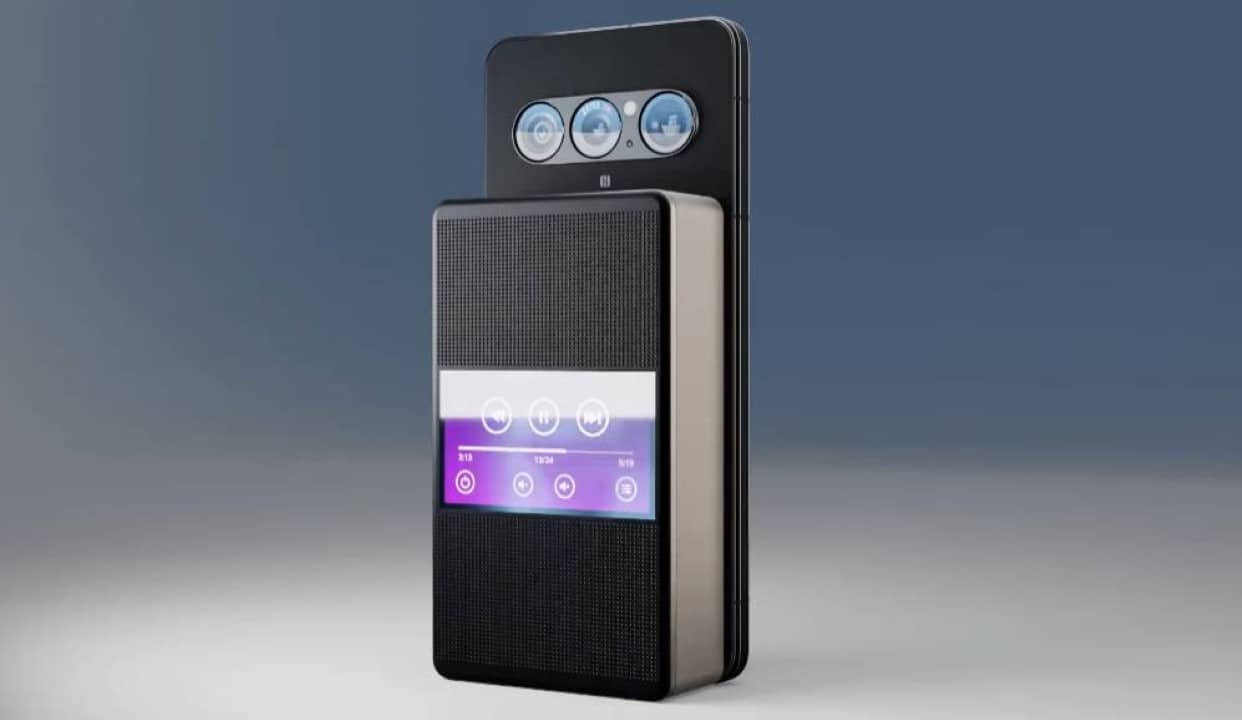
Recent Vazamentos reveal profound visual changes in Sony Xperia 1 VIII. The high-end device abandons the traditional vertical alignment of its rear lenses. The Japanese manufacturer now adopts a square block to house the main photographic set. Essa structural modification represents the biggest aesthetic leap in the smartphone family since the last few generations.
Restructuring the backplane addresses a specific technical hardware need. The new format allows for the inclusion of a considerably larger telephoto sensor. Especialistas on mobile technology indicate that the change improves optical zoom performance. The device scheduled to be launched in 2026 seeks to consolidate the brand in the professional pocket photography segment.
Mudança visual on the rear module accommodates larger photo sensor
The Sony Xperia 1 VIII’s camera array features three compactly grouped lenses. The LED flash integrates the same square island in the upper left part of the rear panel. The symmetrical arrangement replaces the elongated pill shape seen on the Xperia 1 VII. The updated look brings the smartphone closer to the design language adopted by other competitors in the premium market.
The telephoto lens gains absolute prominence in this new geometric configuration. The increased physical component requires a larger surface area to avoid excessive bulges in the casing. Larger Sensores capture higher volumes of light during shutter release. The practical result involves clearer night photographs and approximations without loss of graphic quality.
The integration of technologies derived from the Alpha camera division continues to dictate the direction of the mobile line. The company remains focused on delivering manual calibration tools to content creators. Updated hardware works in conjunction with state-of-the-art image processing algorithms. Detalhes’s detailed leaks reinforce the veracity of digital files shared by Asian industry sources.
Tela OLED with cinema aspect ratio gains centralized front camera
The front of the Sony Xperia 1 VIII displays a paradigm shift in the manufacturer’s philosophy. The company replaces the thick top edge with a small hole centered on the panel. The circular cutout houses the selfie and video calling camera. The engineering decision expands the useful display area and modernizes the front appearance of the device.
The upper and lower frames have undergone drastic reductions in thickness. The space previously occupied by the front stereo speakers gives way to illuminated pixels. The 21:9 aspect ratio remains unchanged in the display design. The elongated format favors the consumption of films and series without the presence of horizontal black bands.
The screen uses OLED technology with native 4K resolution. The high refresh rate ensures fluid transitions when navigating the system and in competitive games. Support for advanced HDR standards reproduces accurate colors and deep contrasts. Visual immersion reaches higher levels with maximum use of the tempered glass surface.
Especificações techniques point to use of new advanced processor
The processing core of the Sony Xperia 1 VIII must house the Snapdragon 8 Elite Gen 5 chipset. The component manufactured with precision lithography delivers significant leaps in calculation speed. The energy efficiency of silicon extends screen time away from sockets. The hardware easily handles ultra-high-resolution video rendering tasks.
The internal structure of the smartphone accommodates components aimed at the enthusiast audience. The company’s launch cycle points to the model arriving on global shelves throughout 2026. The connectivity package includes support for next-generation mobile networks and updated wireless protocols. The fundamental features of the device include:
- Módulo rear photo restyled in square format.
- Front Câmera positioned in a circular cutout on the screen.
- Processador Snapdragon 8 Elite Gen 5 high performance.
- Painel OLED with 4K resolution and 21:9 cinematic aspect ratio.
- 3.5mm analog Conector for audio equipment.
The total battery capacity and RAM memory options remain confidential. Internal storage must utilize ultra-fast read modules to support writing large files. The USB-C port located at the base of the chassis allows data transfers at speeds compatible with the workflow of audiovisual professionals. The SIM card compartment divides the lower space of the metal chassis.
Fabricante maintains physical capture button and traditional input for headphones
The resistance to abandoning classic features defines the identity of Sony Xperia 1 VIII. The physical button dedicated to shooting the camera remains positioned on the right side of the structure. The component has a two-stage drive to focus and capture the image. The tactile texture of the switch makes it easier to operate the device in landscape orientation.
The top of the smartphone has the 3.5mm P2 headphone jack. The analog port caters to audiophiles who use high-impedance wired audio monitors. The presence of the connector eliminates the need for external adapters or latency-prone Bluetooth headphones. The decision goes against the trend of removing the component adopted by competing brands in the premium segment.
The external construction uses materials that are highly resistant to impacts and scratches. Water and dust certification protects internal circuits in harsh environments. The rectangular shape with slightly rounded corners makes it easier to hold the device during long sessions of use. The ergonomics of the chassis balance the weight of the new camera module without causing discomfort in the user’s hands.
Posicionamento in the premium market and focus on content creators
The commercial strategy of Sony Xperia 1 VIII targets a specific niche of demanding consumers. The global high-end smartphone market presents a marked visual standardization among the main brands. The aesthetic redesign of the camera module works as a competitive differentiator in shop windows. The device attracts attention from users looking for exclusivity and professional-level tools in their pocket.
The focus on the multimedia experience guides the Asian manufacturer’s engineering decisions. The combination of the latest generation processor and the extended aspect ratio display turns the phone into a portable workstation. Video Editores can visualize complex timelines thanks to the elongated shape of the panel. The hardware handles multiple layers of color correction without bottlenecking the operating system interface.
Maintaining the closed ecosystem of capture apps reinforces the appeal for photographers. Native software emulates the interface of the company’s dedicated cameras. The user has full control over shutter speed, white balance and ISO sensitivity levels. The transition to the new square lens format occurs without sacrificing the technical essence that consolidated the family of devices on the global technological scene.





