

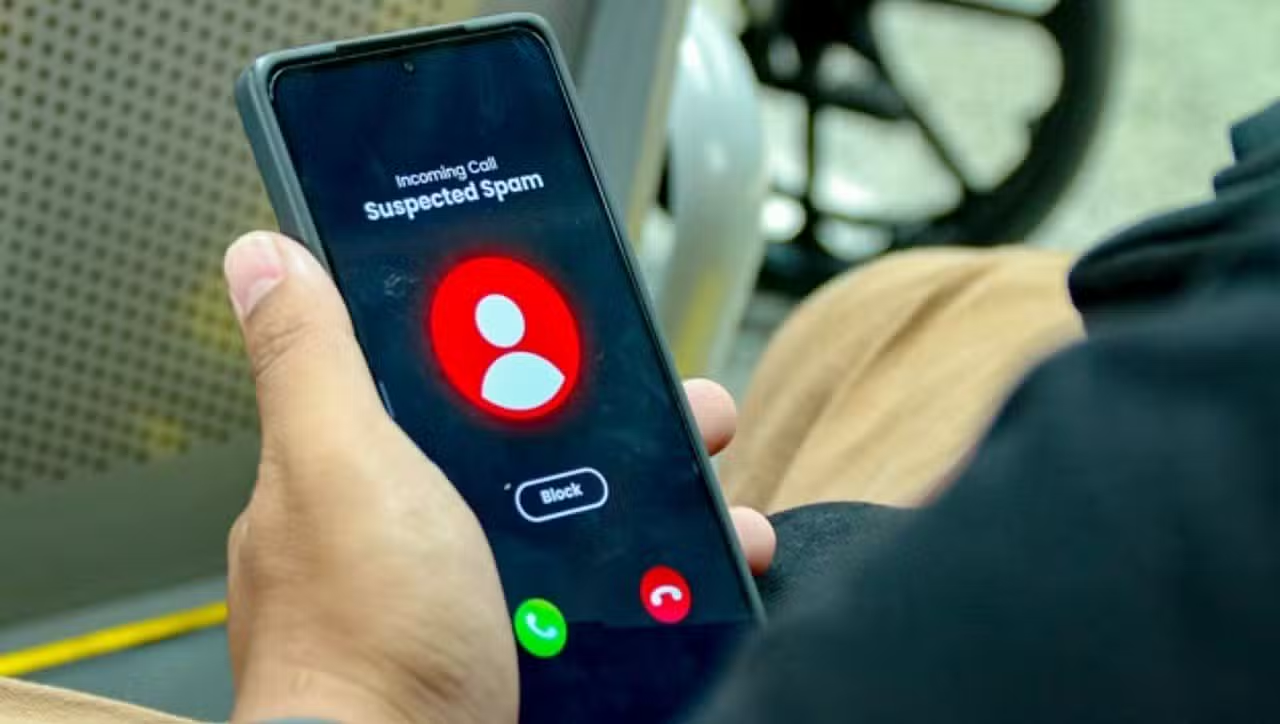
Milhões phone users routinely face unwanted calls, with some people receiving up to 14 spam calls per day. Grupos from consumer protection classifies the problem as an epidemic, while Comissão Federal from Comunicações (FCC) points out that unwanted calls continue to be the main complaint from American consumers. Most of these calls use predictive dialing systems that ring multiple numbers simultaneously, recording when someone answers to sell the information or refine customer segmentation in future contact attempts.
Diante In this reality, smartphones and operators offer integrated tools capable of significantly reducing the hassle. Implementar these basic settings represent the first step to regaining control over incoming calls.
Configurações native phones silence strangers
On iPhone, the “Mute Desconhecidos” feature prevents unsaved numbers from ringing, forwarding calls directly to voicemail. Para to activate the function, the user must access: Ajustes > Aplicativos > Telefone > Chamadas. Telefones Android offer similar functionality for private or unidentified numbers, although unknown numbers may still ring depending on settings. A practical solution reported by users involves leaving the phone in “No Perturbe” mode, allowing interruptions only from saved contacts.
Ambas approaches suffer from the same drawback: legitimate calls from doctors’ offices, delivery people, or institutions may be inadvertently silenced. Quando an unwanted call goes unnoticed, both iOS and Android allow you to block the specific number directly from the recent calls list. Números can be manually added to blocklists in device settings.
Operadoras and applications create additional layers of protection
The major US carriers — Verizon, T-Mobile, and AT&T — offer spam filters for free, with advanced options available only with a subscription. Comissão Federal of Comércio (FTC) recommends that users check specific offers from their carriers. Para stricter filtering, applications such as Nomorobo, YouMail, Hiya, RoboKiller and TrueCaller compare incoming numbers with known spam databases, labeling calls before the user even answers.
- Nomorobo: identifies robocalls with high accuracy
- YouMail: offers free basic plan with paid advanced analytics
- Hiya: integration with calendar contacts
- RoboKiller: uses artificial intelligence for blocking
- TrueCaller: shows information about the caller before answering
Apple stated that “incoming calls are never sent to third-party developers.” Muitos of these apps charge monthly or annual fees, although some offer free basic versions. Alguns can also be installed on residential VoIP lines, expanding protection beyond smartphones.
Cadastro “Not Ligue” only reduces legitimate telemarketing
Cadastro Nacional “Not Ligue”, administered by the FTC and accessible at DoNotCall.gov, directs legitimate telemarketing companies not to call. Cadastrar up on service can significantly reduce the number of sales calls. The agency states that the registry only stores telephone numbers, without other personal information. Ligações policies, charities, legitimate surveys, and calls from companies the user has done business with in the last 18 months are exempt from the restriction.
Golpistas completely ignore registration. The FTC clarifies that “if you receive a robocall without having given the caller written permission, the call is illegal, period.” Estar registered in the registry does not change this legal reality. Para companies that the consumer has already interacted with, consent is often hidden in the fine print of the terms of service. National Consumer Law Center highlights that this consent can be revoked at any time by making a brief statement such as “I revoke my consent” or requesting to remove the number from company records.
Não responding is the most effective strategy against fraud
Reguladores and cybersecurity experts agree on one point: when a robocall or suspicious call appears on the screen, the user should hang up immediately. The FTC warns that pressing numbers “will likely only lead to more robocalls.” Falsificar caller IDs — a technique known as spoofing — are trivial. Neighborhood spoofing goes further, combining the area code and the first six digits of the number to make the call appear local.
Cybersecurity company Kaspersky warns of a specific danger: calls that start with “Hello, can you hear me?” Golpistas seeks to obtain an affirmative answer to store the recording of the user’s confirmation and use it in fraudulent activities. Dizer “yes” or even pressing a button can turn an annoying call into a barrage of future calls.
Denúncias Strengthen Sector Blocking Tools
Reclamações can be made to the FTC at DoNotCall.gov or at ReportFraud.ftc.gov for financial loss cases. The FCC also receives complaints through its channels. The FTC analyzes call patterns and complaint data to identify illegal operators, releasing numbers reported daily on weekdays. Essas information strengthens blocking tools across the telecommunications sector.
Fixed Linhas uses physical and digital protection
Residential Telefones require a different approach. VoIP services may offer built-in filters or work with third-party applications. A traditional landline may use a physical call blocking device — a small device attached to the phone that checks incoming calls against fraudulent number databases or user-created lists. Esse device can stop ringing before it even starts, protecting privacy without relying on software settings.