
May skies will have a simultaneous Blue Moon and Micromoon on the 31st; astronomer explains rare phenomenon

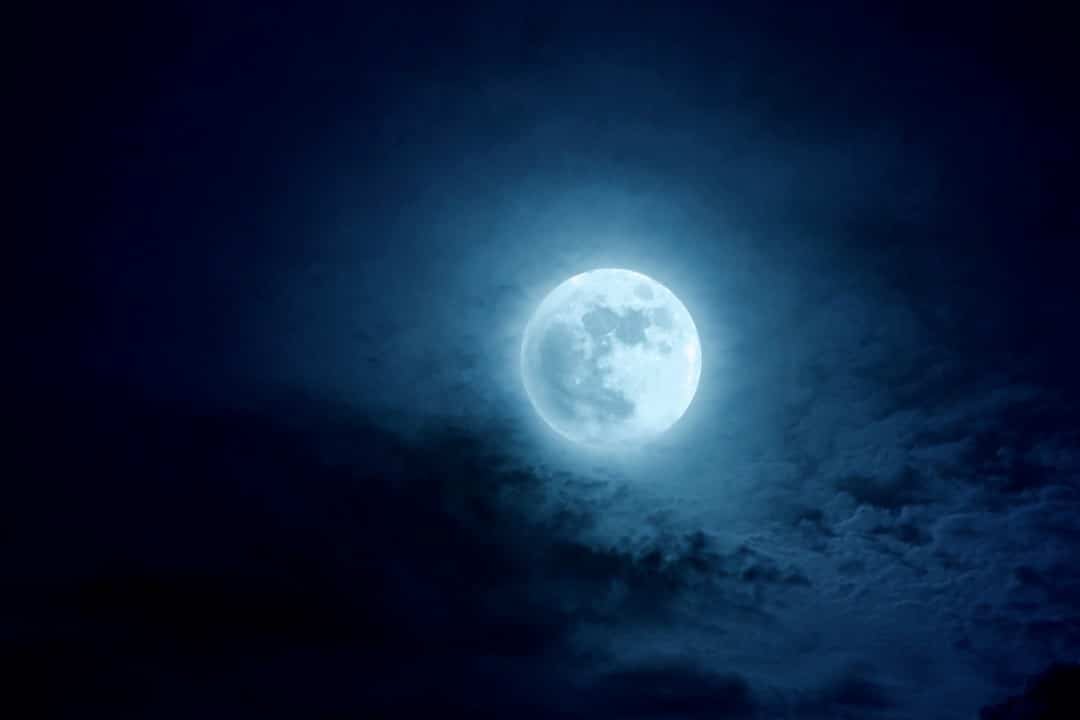
The end of May 2026 will feature 2 simultaneous celestial phenomena. On the night of May 31st, the so-called “Moon Azul” will occur, that is, the second Lua Cheia in the same month, and it will be at the furthest point from Terra — a condition known as “Micromoon”.
According to Universidade Federal astronomer and professor of Itajubá (UNIFEI), Dr. Gabriel Hickel, the occurrence of 2 Luas Cheias in the same month is rare. Acontece only every 2 or 3 years.
Why does Lua Azul occur
The interval between 2 Luas Cheias lasts, on average, approximately 29.5 days. The months of the Gregorian calendar have between 28 and 31 days. Quando the first Lua Cheia appears on the 1st or 2nd of the month, there is a possibility that the lunar cycle will be completed before the month ends.
“The occurrence of two Luas Cheias in the same month is possible because the interval between two Luas Cheias lasts, on average, around 29.5 days, while calendar months have between 28 and 31 days. Assim, when an Lua Cheia occurs on the 1st or 2nd of the month, there is a possibility that the cycle will be completed before the month ends”, explains Dr. Gabriel Hickel.
Microlua: maximum clearance
The “Micromoon” occurs because Terra’s natural satellite reaches its apogee — the moment of greatest distance from the planet. Trata is the opposite of the “Supermoon”, a phenomenon that occurs when Lua is at closest approach (perigee).
Lua Cheia on May 31st will have additional company. The satellite will be close to Antares, the brightest star in the Escorpião constellation. Antares stands out for its reddish glow, creating visual contrast with the silver tone of Lua.
Melhor time for observation
- Lua rises on May 30th and offers the best initial visual conditions
- The setting of Lua, at the end of the morning, provides the closest approach to the star Antares
- Locais with open horizon and landscape elements facilitates photographic compositions
- The “lunar illusion” effect makes the brain interpret that the satellite appears larger than it really is
Dicas for shooting
Especialistas recommend adjusting camera exposure manually when using a cell phone. Dessa way, the excessive brightness of the Lua is prevented from erasing image details. The search for locations with an unobstructed horizon and interesting landscape increases the final quality of the photos.
The astronomer and professor at UNIFEI emphasizes that the rising and setting moments of Lua are the best for capturing images. The combined phenomenon of visible Lua Azul, Microlua, and Antares offers rare opportunity for amateur astronomical documentation.





